"Smooth Criminal" va ser el setè i últim senzill de l'àlbum “Bad*” escrita per Michael Jackson i coproduïda amb Quincy Jones. La cançó és icònica no només pel seu ritme contagiós i la seva lletra memorable, sinó també pel seu innovador videoclip, que s'ha convertit en una peça fonamental de la memòria col·lectiva. Igual que “Thriller”, el vídeo de "Smooth Criminal" va elevar l'art dels videoclips, esdevenint una obra mestra visual. Aquest vídeo és el punt central de la pel·lícula “Moonwalker”, que Jackson protagonitza al costat de Joe Pesci.
"Smooth Criminal" es desmarca de moltes de les cançons més personals de Jackson, ja que explica una història de ficció en lloc de reflectir les seves pròpies experiències. La cançó narra la història d’una dona anomenada Annie, que ha estat violentament atacada al seu apartament per un "Smooth Criminal" (delinqüent hàbil). El personatge de Jackson és un espectador que, repetidament, li pregunta a Annie: "Are you OK?" La repetició d’aquesta pregunta subratlla la natura inquietant del crim, ja que es fa evident que Annie no està bé després de l'incident.
Hi ha quatre versions del videoclip de "Smooth Criminal", amb la versió original inclosa a la pel·lícula “Moonwalker”. L’aspecte més icònic del vídeo és l’inclinació cap endavant, on Jackson i els seus ballarins semblen desafiar la gravetat. Per al vídeo, aquest efecte es va aconseguir amb cordes i imants per crear la il·lusió. Quan es va realitzar en directe als escenaris, Jackson i els seus ballarins utilitzaven unes sabates dissenyades especialment per bloquejar-se en uns suports del terra, cosa que els permetia inclinar-se en un angle impossible i després continuar ballant sense interrupció.
Colin Chilvers va dirigir la pel·lícula “Moonwalker”, que inclou un segment de 42 minuts dedicat a "Smooth Criminal". S'inspira en l'edat d'or de Hollywood, especialment en el cinema negre, i Chilvers va referenciar “The Third Man” per establir l'estètica de la pel·lícula. Va dir que a Michael Jackson li agradava aquest estil, el que va portar a una il·luminació semblant a la del film clàssic. Les seqüències de ball van estar influïdes per Fred Astaire, amb el coreògraf d'Astaire, Hermes Pan, visitant el set i expressant la seva admiració per l'actuació de Jackson.
"Smooth Criminal" va ser un moment àlgid en les actuacions en directe de Michael Jackson, on va realitzar la seva famosa inclinació de 45 graus del videoclip, deixant el públic bocabadat. A mesura que els seus espectacles evolucionaven, també ho feia la rutina. A la gira “Dangerous”, Jackson va recrear gran part del vídeo amb quatre ballarins, mentre que a la gira “HIStory” es va adoptar un enfocament més teatral, amb Jackson vestit com un gàngster de Chicago dels anys 30. En aquesta versió, disparava una metralladora d’atrezzo, abatent els seus rivals, que eren dramàticament arrossegats fora de l'escenari, per al goig del públic.
MICHAEL JACKSON - SMOOTH CRIMINAL
Released : November 14, 1988
Charted: UK: #8 US: #7
"Smooth Criminal" was the seventh and final single from “Bad” album, written by Jackson and co-produced with Quincy Jones. The song is iconic not only for its infectious rhythm and memorable lyrics but also for its groundbreaking music video, which is deeply ingrained in the public's collective memory. Like “Thriller”, the video for "Smooth Criminal" elevated the art form, becoming a visual masterpiece. It served as the centerpiece of Jackson's theatrical film “Moonwalker”, where Jackson stars alongside Joe Pesci.
"Smooth Criminal" is a departure from many of Michael Jackson's more personal songs, as it tells a fictional story rather than reflecting his own experiences. The song narrates the tale of a woman named Annie, who has been violently attacked in her apartment by a "smooth criminal." Jackson's character in the song is an onlooker, repeatedly asking Annie, "Are you OK?" The haunting repetition of this question underscores the unsettling nature of the crime, as it becomes clear that Annie is far from OK after the encounter.
There are four versions of the "Smooth Criminal" video, with the original version featured in Michael Jackson's film “Moonwalker”. The most iconic aspect of the video is the forward lean, where Michael and his dancers appear to defy gravity. For the video, this effect was achieved using ropes and magnets to create the illusion. When performed live on stage, Jackson and his dancers used specially designed shoes that could lock into pegs on the stage floor. These shoes allowed the performers to lean forward at an impossible angle, then swiftly disengage from the pegs to continue dancing without disruption.
Colin Chilvers directed the “Moonwalker” film, which features a 42-minute segment dedicated to "Smooth Criminal." Drawing inspiration from the golden age of Hollywood, particularly film noir, Chilvers referenced “The Third Man” to set the film's aesthetic. He noted that Michael Jackson appreciated this style, leading to a lighting approach reminiscent of that classic film. The dance sequences were influenced by Fred Astaire, with Astaire's choreographer, Hermes Pan, visiting the set and expressing admiration for Jackson’s performance.
"Smooth Criminal" was a highlight of Michael Jackson's live performances, where he famously performed his 45-degree lean from the music video, leaving audiences in awe. As his shows evolved, so did the routine. On the “Dangerous tour” Jackson reenacted much of the video with four dancers, while the “HIStory tour” took a more theatrical turn, with Jackson dressed as a 1930s Chicago gangster. In this version, he would fire a prop machine gun, taking down rival gangsters, who were dramatically dragged off stage, much to the crowd's delight. The lean itself, a marvel of stagecraft, was accomplished using specially designed shoes that locked into floor anchors, allowing him to defy gravity.
AEROSMITH - CRYIN’
Released: June 29, 1993
Charts: US: #12 UK: #17
"Cryin'" is a power ballad released as the second U.S. single from their 1993 album “Get a Grip”. Written by Steven Tyler, Joe Perry, and Taylor Rhodes, the song became a commercial success, reaching number 12 on the U.S. Billboard Hot 100 and number 11 on the Cash Box Top 100. It was especially popular in Europe, topping the charts in Norway and achieving top-three positions in Iceland, Portugal, and Sweden. In the UK, the single peaked at number 17 and was one of the band's major international hits.
The song explores the themes of a tumultuous relationship that initially appears promising but ultimately deteriorates. It can also be interpreted as a metaphor for lead singer Steven Tyler's struggles with drug use. Tyler describes the song as reflecting a country influence, stating, "Listen to the lyrics. It was country - we just Aerosmith'd it."
"Cryin'" was created after Aerosmith's record label, Geffen Records, rejected most of the band's original songs for their “Get a Grip” album. Executive John Kalodner delivered the disappointing news, prioritizing the band's business interests over personal connections. After initial frustration, the band agreed to collaborate with outside writers Kalodner introduced. Steven Tyler and Joe Perry teamed up with Taylor Rhodes, known for co-writing Celine Dion's "Where Does My Heart Beat Now," to craft "Cryin'" in just one day. The song successfully balanced themes of passion and vulnerability, joining other hits from the album, including "Crazy" and "Livin' On The Edge."
The music video marked the first collaboration between the band and actress Alicia Silverstone, launching her career. She also starred in the band's subsequent videos, "Amazing" and "Crazy”. Silverstone and the band only met once, and their scenes were filmed separately. The video also features Josh Holloway, known for his role as Sawyer on “Lost”, who plays a pickpocket caught and beaten by Silverstone's character. To incorporate more scenes, an extra chorus was added to the video, which was filmed at the Central Congregational Church in Fall River, Massachusetts, a site historically linked to Lizzie Borden, who was acquitted of murdering her parents in 1892.
9.10.24
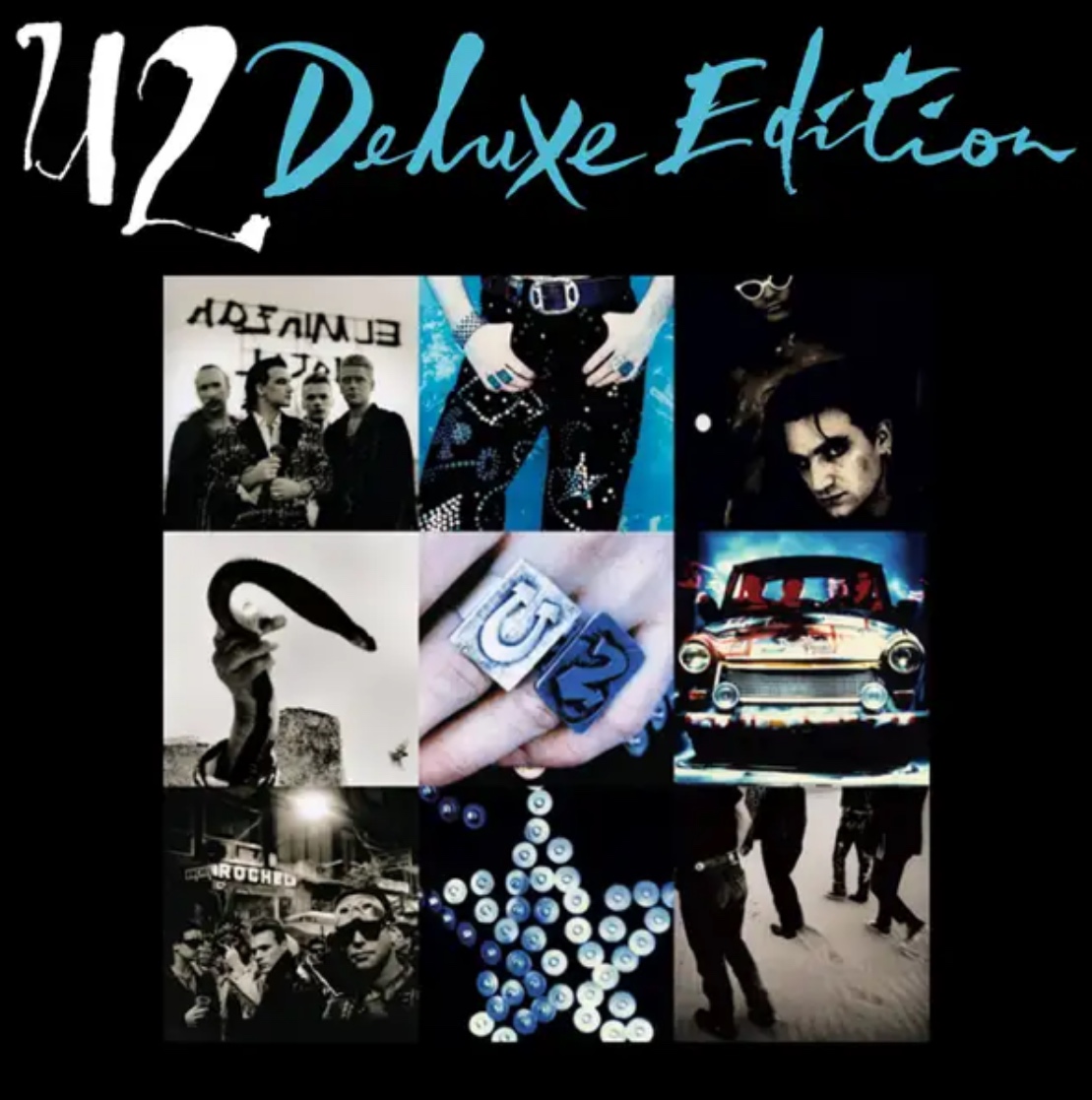
U2 - UNTIL THE END OF THE WORLD / ULTRAVIOLET (LIGHT MY WAY) / ZOO STATION
Publicació: 18 de novembre de 1991
Àlbum: Achtung Baby
UNTIL THE END OF THE WORLD
"Until the End of the World", present a l'àlbum "Achtung Baby", va inspirar-se en la idea de Bono d'una conversa entre Jesucrist i Judes Iscariot. Inicialment concebuda com un riff per a una cançó titulada "Fat Boy", no va avançar fins que The Edge la va reimaginar per a la banda sonora de la pel·lícula de Wim Wenders, també titulada "Until the End of the World". Finalment, la versió regravada no només va aparèixer a l'àlbum d'U2 sinó que també va ser una contribució important a la banda sonora de la pel·lícula. El grup va informar humorísticament a Wim Wenders que estaven prenent prestat el títol per a la pista de l'àlbum mentre li permetien usar la seva música.
La cançó explora temes de traïció i perdó a través d'una narrativa inspirada en la relació entre Jesús i Judes. La lletra descriu un diàleg fictici entre ells que cobreix esdeveniments clau com l'Últim sopar, la traïció de Judes amb un petó al Jardí de Getsèmani i el seu posterior suïcidi a causa de la culpa aclaparadora. La cançó aprofundeix en l'impacte de la traïció, mostrant tant l'agonia de la deslleialtat com el tema posterior del perdó. La lletra culmina en un gir on el perdó preval malgrat la profunda traïció retractada anteriorment a la cançó. La música mateixa reflecteix la intensitat d'aquestes emocions, amb un so dens i arrollador que amplifica el dolor i la turbulència experimentats tant pel traïdor com pel traït.
"Until the End of the World" s'ha convertit en un element habitual en les seves actuacions en directe. Ha estat part de cada gira d'U2 des del seu debut a la Zoo TV Tour, llevat de The Joshua Tree Tour 2017. La cançó sovint es transita suament cap a "New Year's Day". Malgrat no haver estat llançada com a single, s'ha interpretat en esdeveniments significatius com els BRIT Awards el 2001 i la inducció de la banda al Rock and Roll Hall of Fame el 2005. The Edge, reflexionant sobre l'èxit de la cançó en els concerts, atribueix aquest èxit en directe a la capacitat de mostrar les fortaleses de la banda. Destaca la seva energia visceral i els temes profunds, incloent la mortalitat i les qüestions existencials, com a raons del seu impacte a l'escenari.
ULTRAVIOLET (LIGHT MY WAY)
"Ultraviolet (Light My Way)" és la desena pista de l'àlbum “Achtung Baby”. Inicialment, explora temes d'amor i dependència, però també convida a interpretacions religioses. Dins l'estructura narrativa de l'àlbum, "Ultraviolet" està situada al costat de "Acrobat" i "Love Is Blindness" per explorar els reptes que les parelles afronten en reconciliar el dolor que es causen mútuament.
En l'autobiografia d'U2, "U2 by U2", Bono descriu "Ultraviolet (Light My Way)" com a "una mica alterada". Reconeix haver pres la frase "There's a silence that comes to a house when no one can sleep” (Hi ha un silenci que arriba a una casa quan ningú pot dormir) de l'escriptor de ficció Raymond Carver, demanant disculpes per l'apropiació. Bono considera la cançó èpica, però destaca el seu estil vocal conversacional i la tornada inspirada en el so Motown ("Baby, baby, baby, light my way"). Malgrat els seus elements musicals alegres, Bono posa en relleu el contingut líric fosc de la cançó, explorant temes de gelosia, infidelitat i les complexitats de l'amor.
"Ultraviolet (Light My Way)" és una cançó que, tot i parlar ostensiblement d'amor i dependència, també convida a interpretacions religioses. Alguns oients estableixen paral·lelismes amb el Llibre de Job, especialment Job 29:2–3, on Déu és comparat amb una llanterna que guia Job a través de la foscor. El mateix títol evoca imatges de llum negra o d'una força invisible que penetra la foscor, suggerint temes espirituals, personals i tecnològics que lliguen amb l'alienació moderna explorada a tot “Achtung Baby”.
L'autora Dianne Ebertt Beeaff interpreta el narrador de la cançó com expressant un profund anhel d'ajuda, ja sigui de fonts religioses o seculars, cercant orientació i seguretat en l'obscuritat. Atara Stein veu "Ultraviolet" com part d'un tema més ampli a l'àlbum on el protagonista eleva el seu amant a una posició de veneració, anhelant desesperadament orientació i salvació en moments de crisi.
ZOO STATION
"Zoo Station" és la primera pista de l'àlbum "Achtung Baby", marcant un canvi significatiu en el seu estil musical. La cançó incorpora influències del rock alternatiu, la música industrial i la música electrònica de ball, establint el to per al so experimental de l'àlbum. Inclou percussió influenciada per la música industrial, guitarres distorsionades en capes i veus, reflectint la reinvenció de la banda i la sortida de la seva identitat musical anterior.
El títol "Zoo Station" deriva de Zoo Bahnhof, el nom alemany de l'estació de tren Zoologischer Garten a Berlín, on comença la part subterrània de la línia de metro U2 (U-Bahn) de Berlín. Aquesta estació és coneguda oficialment com Zoologischer Garten i serveix com a parada per al Zoo de Berlín. Quan U2 va arribar a Berlín per enregistrar el seu àlbum “Achtung Baby”, van visitar el Zoo de Berlín, cosa que va inspirar a Bono a incorporar temes relacionats amb el zoo a la seva música. Aquesta imatgeria del zoo es va convertir en un motiu recurrent per a U2, reapareixent de manera prominent al seu següent àlbum, "Zooropa", i influenciant la direcció temàtica de la seva posterior gira Zoo TV.
La lletra es va inspirar en un conte surrealista de l'època de la Segona Guerra Mundial a Berlín, que Bono va escoltar. Aquesta història relatava com un bombardeig nocturn va danyar el zoo, provocant l'escapada dels animals que vagaven entre les ruïnes de la ciutat. A més, Bono es va inspirar en l'estació de tren Zoologischer Garten de Berlín, utilitzant-la com a metàfora per simbolitzar la reunificació d'Alemanya.
U2 va seleccionar "Zoo Station" com la primera cançó de la seva gira Zoo TV del 1992-1993, una producció conceptual i teatral que satiritzava la saturació dels mitjans de comunicació i la fama de la pròpia banda. Els concerts estaven dissenyats per immergir l'audiència en una experiència semblant a una emissió televisiva, amb una barreja d'imatges en constant canvi mostrades en nombrosos monitors de vídeo. Aquesta gira va marcar un canvi significatiu per a U2, amb l'objectiu de forjar una connexió més profunda amb la generació MTV a través de presentacions multimèdia innovadores i temes provocadors.
U2 - UNTIL THE END OF THE WORLD / ULTRAVIOLET (LIGHT MY WAY) / ZOO STATION
Released: November 18, 1991
Album: Achtung Baby
UNTIL THE END OF THE WORLD
"Until the End of the World" featured on the album “Achtung Baby” was inspired by Bono's idea of a conversation between Jesus Christ and Judas Iscariot. Initially conceived as a riff for a song titled "Fat Boy," it didn't progress until the Edge reimagined it for the soundtrack of Wim Wenders' film, also titled "Until the End of the World." Ultimately, the re-recorded version not only made it onto U2's album but also became a significant contribution to the film's soundtrack. The band humorously informed Wim Wenders that they were borrowing the title for their album track while allowing him to use their music.
The song explores themes of betrayal and forgiveness through a narrative inspired by the relationship between Jesus and Judas. The lyrics depict a fictional dialogue between them covering key events such as the Last Supper, Judas' betrayal with a kiss in the Garden of Gethsemane, and his subsequent suicide due to overwhelming guilt. The song delves into the profound impact of betrayal, portraying both the agony of disloyalty and the eventual theme of forgiveness. The lyrics culminate in a twist where forgiveness prevails despite the deep betrayal depicted earlier in the song. The music itself mirrors the intensity of these emotions, with a dense and overpowering sound that amplifies the pain and turmoil experienced by both the betrayer and the betrayed.
"Until the End of the World" has become a staple in their live performances. It has been a part of every U2 tour since its debut on the Zoo TV Tour, except for The Joshua Tree Tour 2017. The song often transitions smoothly into "New Year's Day". Despite never being released as a single, it has been performed at significant events including the BRIT Awards in 2001 and the band's induction into the Rock and Roll Hall of Fame in 2005. The Edge, reflecting on the song's enduring appeal in concerts, attributes its live success to its ability to showcase the band's strengths. He notes its visceral energy and profound themes, including mortality and existential questions, as reasons for its impact on stage.
ULTRAVIOLET (LIGHT MY WAY)
"Ultraviolet (Light My Way)" is the tenth track from the album “Achtung Baby”. Initially exploring themes of love and dependency, the song also invites religious interpretations. Within the album's narrative structure, "Ultraviolet" is positioned alongside "Acrobat" and "Love Is Blindness" to delve into the challenges couples face when reconciling the pain they inflict on each other.
In U2's autobiography "U2 by U2," Bono describes "Ultraviolet (Light My Way)" as "a little disturbed." He acknowledges borrowing the line "'There's a silence that comes to a house when no one can sleep'" from fiction writer Raymond Carver, apologizing for the appropriation. Bono considers the song epic, yet notes its conversational vocal style and Motown-inspired chorus ("Baby, baby, baby, light my way"). Despite its upbeat musical elements, Bono highlights the song's dark lyrical content, exploring themes of jealousy, infidelity, and the complexities of love.
"Ultraviolet (Light My Way)" is a song that, while ostensibly about love and dependency, also invites religious interpretations. Some listeners draw parallels to the Book of Job, particularly Job 29:2–3, where God is likened to a lamp guiding Job through darkness. The title itself evokes imagery of black light or an invisible force penetrating darkness, suggesting spiritual, personal, and technological themes that echo the modern alienation explored throughout “Achtung Baby”.
Author Dianne Ebertt Beeaff interprets the song's narrator as expressing a deep longing for assistance, whether from religious or secular sources, seeking guidance and safety in obscurity. Atara Stein views "Ultraviolet" as part of a larger theme on the album where the protagonist elevates their lover to a position of worship, desperately longing for guidance and salvation in times of crisis.
ZOO STATION
"Zoo Station" is the opening track from the album "Achtung Baby," marking a significant departure in their musical style. The song incorporates influences from alternative rock, industrial, and electronic dance music, setting the tone for the album's experimental sound. It features industrial-influenced percussion, layered distorted guitars, and vocals, reflecting the band's reinvention and departure from their previous musical identity.
The title "Zoo Station" derives from Zoo Bahnhof, the German name for the Zoologischer Garten train station in Berlin, where the underground portion of the U2 subway line (U-Bahn) begins. This station is officially known as Zoologischer Garten and serves as a stop for the Berlin Zoo. When U2 arrived in Berlin to record their album Achtung Baby, they visited the Berlin Zoo, which inspired Bono to incorporate zoo-related themes into their music. This zoo imagery became a recurring motif for U2, reappearing prominently on their next album, “Zooropa”, and influencing the thematic direction of their subsequent Zoo TV tour.
The lyrics were inspired by a surrealistic tale from World War II-era Berlin, which lead vocalist Bono heard. This story recounted how bombing overnight damaged the zoo, resulting in animals escaping and wandering amidst the city's rubble. Additionally, Bono drew inspiration from Berlin's Zoologischer Garten railway station, using it as a metaphor to symbolize the reunification of Germany.
U2 selected "Zoo Station" as the opening track for their 1992-1993 Zoo TV tour, a conceptual and theatrical production that satirized media saturation and the band's own fame. The concerts were designed to immerse audiences in an experience akin to a television broadcast, featuring a barrage of constantly changing images displayed on numerous video monitors. This tour marked a significant departure for U2, aiming to forge a deeper connection with the MTV generation through innovative multimedia presentations and provocative themes.