Total de visualitzacions de pàgina:

16.10.24


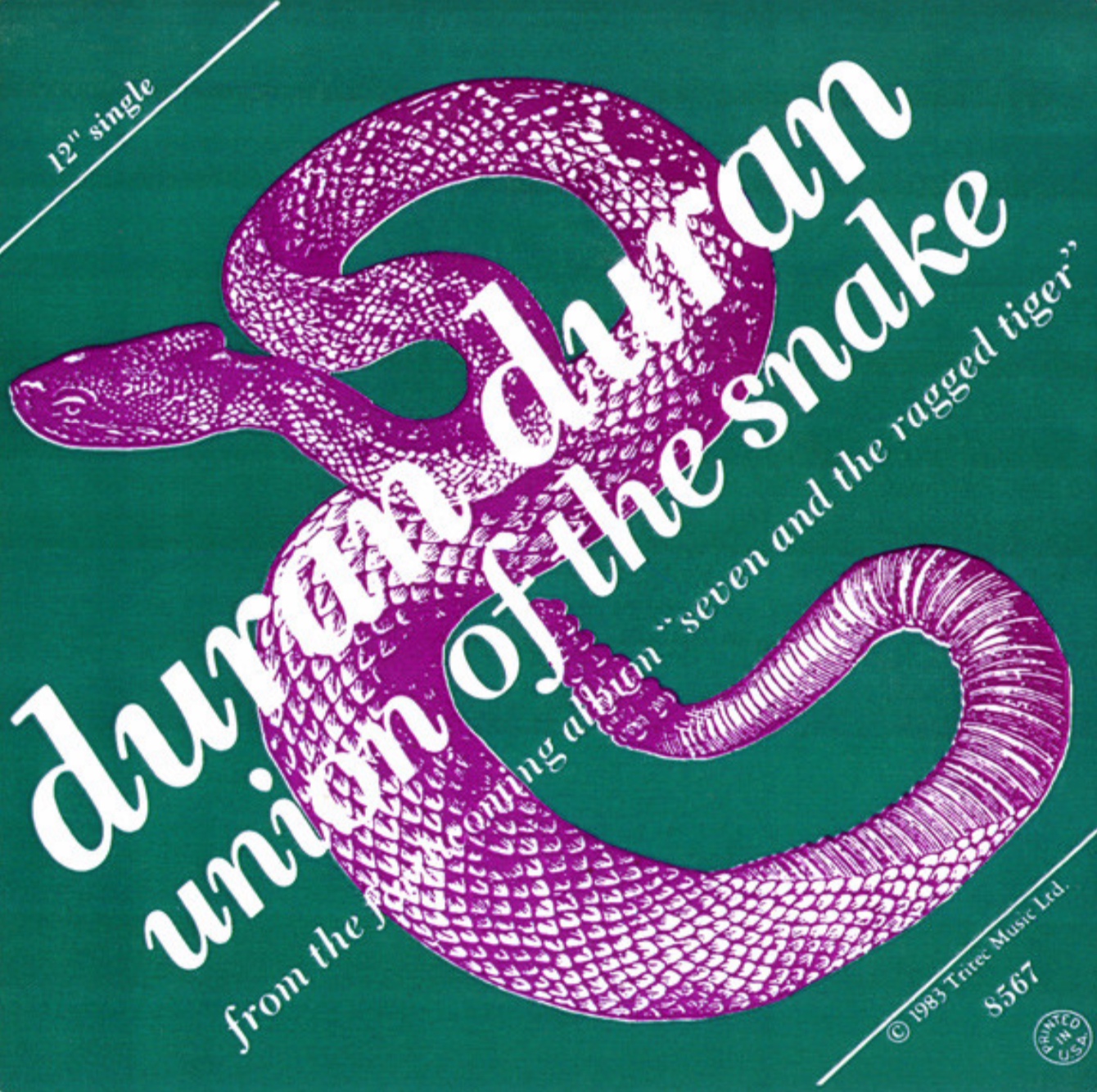
DURAN DURAN - UNION OF THE SNAKE


Estrena: 17 d'octubre de 1983

Llistes: EUA: #3   Regne Unit: #3


"Union of the Snake" és el novè senzill de Duran Duran, llançat el 1983 com a single principal del seu tercer àlbum, “Seven and the Ragged Tiger”, un mes abans de la publicació de l'àlbum. Aquesta cançó es va convertir en un dels senzills més reeixits del grup, arribant al número 1 a les llistes de Cash Box dels Estats Units i assolint la posició número 3 al Billboard Hot 100 durant tres setmanes consecutives a finals de 1983. Al Regne Unit, la cançó també va tenir un bon rendiment, arribant al número 3 de la llista de singles.


Com moltes de les primeres lletres de Simon Le Bon, el significat de la cançó és força ambigu, i fins i tot l'explicació posterior de Le Bon, que afirmava que la cançó tractava sobre el sexe tàntric, no va oferir gaire claredat. Malgrat les lletres críptiques, la cançó va assolir un èxit important, i el seu atractiu transcendia qualsevol necessitat d'una interpretació coherent.


"Union of the Snake" ha estat interpretada per alguns com una reflexió sobre temes com prendre riscos i desafiar les normes socials. Més que no pas centrar-se en interpretacions literals, la cançó es pot veure com una metàfora sobre el desafiament de les expectatives i el trencament de la complacència. La "unió de la serp" simbolitza la força col·lectiva d'individus que s'uneixen per enfrontar-se i desafiar les coses convencionals. És una crida a l'acció per als oients perquè siguin valents, prenguin riscos i persegueixin l'autosuperació.


Aquesta cançó es va inspirar en lletres de Jim Morrison de The Doors. Simon Le Bon va reconèixer que la influència de Morrison és evident tant en “Union of the Snake” com en “Hungry Like the Wolf”. Le Bon va explicar que, de vegades, s'inspira en llibres o artistes concrets, i en aquests casos, l'estil líric i els temes de Morrison van tenir un impacte clar en la seva escriptura.


El riff inicial de guitarra estableix immediatament el to, creant una energia dinàmica que es manté al llarg de tota la cançó. Les línies d'sintetitzador enganxoses es barregen perfectament amb un ritme contundent, donant a la cançó el seu groove diferencial. Els cors de fons afegeixen profunditat, i la percussió complementa la producció, fent que la cançó sigui tant rítmicament atractiva com complexa. Per rematar-ho, apareix el característic solo de saxofon dels anys vuitanta convertint la camçó en una fusió perfecta de rock, pop i new wave. El resultat és una peça que manté el ritme d'inici a fi.


En plena febre de “Mad Max”, Duran Duran van adoptar la tendència postapocalíptica per al videoclip d'aquesta cançó. Ambientat en un paisatge de dunes desèrtiques, el vídeo presentava Simon Le Bon interpretant un personatge al més pur estil de “Mad Max”, esquivant estranyes criatures blaves del desert. Les imatges inquietants, combinades amb el ritme hipnòtic de la cançó, van crear una experiència impactant que encaixava perfectament amb l'era de MTV. El director Russell Mulcahy, conegut pel seu estil cinematogràfic, va influir molt en l'ús recurrent de l'estètica postapocalíptica per part de Duran Duran, com es veu en diversos dels seus vídeos més icònics.


DURAN DURAN - UNION OF THE SNAKE


Released: October 17, 1983

Charted:  US: #3   UK: #3 


“Union of the Snake” is the ninth single by Duran Duran, released in 1983 as the lead single from their third album, “Seven and the Ragged Tiger”, a month before the album's release. This track became one of Duran Duran's most successful singles, reaching #1 on the US Cash Box chart and peaking at #3 on the US Billboard Hot 100 for three consecutive weeks in late 1983. In the UK, the track also performed well, reaching #3 on the UK Singles Chart.


As with many of Simon Le Bon’s early lyrics, the song's meaning is somewhat ambiguous, and even Le Bon’s later explanation that the song was about tantric sex didn’t offer much clarity. Despite the cryptic lyrics, the song was a major hit, and its appeal transcends any need for a definitive interpretation. 


"Union of the Snake" has been interpreted by some as addressing themes of risk-taking and challenging societal norms. Rather than focusing on more literal interpretations, the song can be seen as a metaphor for defying expectations and stepping out of complacency. The "union of the snake" symbolizes the collective strength of individuals uniting to confront and challenge convention. It’s a call to action for listeners to be courageous, take risks, and pursue self-improvement.


This song was inspired by Jim Morrison's lyrics for The Doors. Simon Le Bon acknowledged that Morrison's influence is evident in both "Union of the Snake" and "Hungry Like the Wolf." He told Spinner that he sometimes draws inspiration from books or specific artists, and in these cases, Morrison's lyrical style and themes had a clear impact on his writing.


The opening guitar riff of immediately sets the tone, creating a dynamic energy that carries through the track. Infectious synthesizer lines blend seamlessly with a driving beat, giving the song its distinctive groove. The backing vocals add depth, and the layered percussion complements the production, making the track both rhythmically engaging and complex. Topping it off is the typical '80s sax solo, which elevates the song into a perfect fusion of rock, pop, and new wave. The result is a song that grooves from start to finish.


At the peak of the "Mad Max" craze, Duran Duran leaned into the post-apocalyptic trend with the music video for this track. Set against the backdrop of desert sand dunes, the video featured Simon Le Bon channeling a Mad Max-like character, evading strange blue desert creatures. The video's eerie, dystopian visuals paired with the hypnotic, snake-charming rhythm of the song created a striking experience that fit perfectly with the MTV era. Director Russell Mulcahy, known for his cinematic storytelling, heavily influenced Duran Duran’s recurring use of post-apocalyptic aesthetics, as seen in several of their iconic videos.




15.10.24


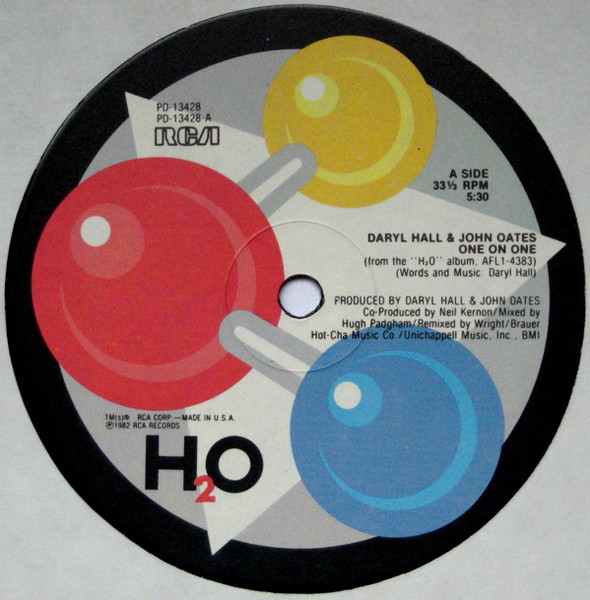
DARYL HALL & JOHN OATES - ONE ON ONE


Estrena: gener de 1983

Llistes: EUA: #7  Regne Unit: #63


"One on One" és una cançó escrita per Daryl Hall i llançada com a segon senzill de l'àlbum “H2O” al gener de 1983. La pista presenta una producció minimalista basada en sintetitzadors i utilitza metàfores esportives, especialment del bàsquet, per descriure temes de seducció i romanticisme. Daryl Hall interpreta la veu principal mentre John Oates fa els cors. La cançó va arribar al número set del Billboard Hot 100 dels Estats Units, contribuint amb tres senzills dins del top 10 provinents de l'àlbum “H2O”. Les seves referències al bàsquet van portar a la seva utilització en promocions de la NBA durant mitjans dels anys 80.


"One on One" és una cançó escrita íntegrament per Daryl Hall, a diferència de moltes altres pistes de Hall & Oates que involucraven col·laboracions amb John Oates o altres. Hall va explicar que la cançó explora els seus sentiments de desig d'estabilitat mentre viatjava constantment, reflexionant sobre la natura transitària de la seva vida com a músic. Va descriure el tema de la cançó com el seu cor anhelant un lloc per anomenar casa malgrat estar sempre en moviment. Més tard, Hall va anomenar "One on One" una de les seves cançons preferides de Hall & Oates a l'edició del 16 d'octubre de 2009 de Entertainment Weekly.


La cançó "One on One" va guanyar popularitat parcialment gràcies a la seva lletra temàtica de bàsquet, que van portar a la seva inclusió en diversos anuncis de la National Basketball Association (NBA) durant mitjans dels anys 80. Un anunci memorable mostrava l'aler dels Los Angeles Lakers, James Worthy, executant una pirueta de 360 graus a càmera lenta durant el solo de saxòfon de la cançó.


El videoclip, dirigit per Mick Haggerty i C.D. Taylor, presenta Daryl Hall caminant pels carrers de la ciutat de Nova York mentre canta la cançó, intercalat amb imatges de Hall actuant sobre l'escenari al costat de John Oates.


DARYL HALL & JOHN OATES - ONE ON ONE


Released: January 1983

Charts: US: #7   UK: #63 


"One on One" is a song written by Daryl Hall and released as the second single from their album “H2O” in January 1983. The track features minimalistic, synthesizer-driven production and uses sports metaphors, particularly basketball, to depict themes of seduction and romance. Daryl Hall delivers the lead vocals while John Oates provides backing harmonies. The song reached number seven on the US Billboard Hot 100, contributing to three top ten singles from the “H2O” album. Its basketball references led to its use in NBA promotions during the mid-1980s.


"One on One" is a song solely written by Daryl Hall, differing from many Hall & Oates tracks that involved collaboration with John Oates and others. Hall explained that the song explores his feelings of longing for stability while constantly traveling, reflecting on the transient nature of his life as a musician. He described the theme of the song as his heart yearning for a place to call home despite being on the move. Hall later named "One on One" one of his favorite Hall & Oates songs in the October 16, 2009, issue of Entertainment Weekly.


The song "One on One" gained popularity partly due to its basketball-themed lyrics, which led to its inclusion in several National Basketball Association (NBA) commercials during the mid-1980s. One memorable commercial featured Los Angeles Lakers forward James Worthy executing a 360-degree spin move in slow motion during the song's saxophone solo.


The music video directed by Mick Haggerty and C.D. Taylor, features Daryl Hall walking through the streets of New York City while singing the song. This is interspersed with shots of Hall performing on stage alongside John Oates.


DARYL HALL & JOHN OATES - DID IT IN A MINUTE 


Estrena: març de 1982

Llistes: EUA: #9


"Did It in a Minute" és una cançó eufòrica sobre trobar l'amor de manera inesperada, escrita per Daryl Hall juntament amb Sara i Janna Allen. Llançada al març de 1982, va ser el tercer senzill del seu desè àlbum d'estudi, “Private Eyes”. Daryl Hall és el vocalista principal, amb John Oates proporcionant harmonies. En una entrevista, Hall va explicar que la cançó va començar quan Janna va cantar una idea per a la tornada mentre eren al cotxe. Inspirat, Hall va crear els acords amb un teclat i més tard va col·laborar amb Sara per escriure les estrofes, fent que fos un esforç compartit entre els tres.


Aquesta cançó explora temes de solitud i la joia de la companyia. El narrador reflexiona sobre la seva comprensió anterior de l'amor, que es veu desafiat per una nova persona que altera la seva perspectiva. La tornada emfatitza l'entrada ràpida i inesperada d'aquest individu a la seva vida, destacant tant la sorpresa com l'agraïment pel canvi que ha aportat.


La inspiració per a aquesta cançó va ser l'èxit de 1977 d'Eric Carmen, "She Did It", específicament l'ús de la frase "did-it". En el moment en què "Did It in a Minute" es va fer popular, Carmen estava de gira amb Hall & Oates. A més, "She Did It" s'havia inspirat en la cançó dels Beach Boys "Do It Again", que també utilitza la frase "did-it".


"Did It in a Minute" inclou diversos elements de composició destacats que van contribuir al seu èxit. El títol conté rimes, similar a altres cançons de Hall & Oates com "Possession Obsession" i "Kiss On My List". La tornada repeteix de manera prominent la frase "did it" 15 vegades, creant un ganxo memorable a través de la repetició constant. A més, cada pre-tornada varia, amb frases com "Some things stay the same..." i "Everybody always laughs at love...", que ajuden a generar impuls i proporcionen transicions suaus entre les estrofes i la tornada.


Com que Hall & Oates estaven de gira, no es va crear cap vídeo conceptual per a "Did It in a Minute". En canvi, es va fer un clip amb imatges de les seves actuacions en directe, que va funcionar molt bé a MTV, on el duet era una de les grans estrelles de la cadena.


DARYL HALL & JOHN OATES - DID IT IN A MINUTE


Released: March 1982

Charts: US: #9 


"Did It in a Minute" is a euphoric song about unexpectedly finding love written by Daryl Hall alongside Sara and Janna Allen. Released in March 1982, it served as the third single from their tenth studio album, “Private Eyes”. Daryl Hall leads the vocals, with John Oates providing harmony. In an interview, Hall explained that the song began when Janna sang an idea for a chorus while they were in the car. Inspired, Hall created the chords on a keyboard and later collaborated with Sara to write the verses, making it a three-way effort.


This song explores themes of loneliness and the joy of companionship. The song's narrator reflects on their previous understanding of love, which is challenged by a new person who alters their perspective. The chorus emphasizes the swift and unexpected entrance of this individual into their life, highlighting both surprise and gratitude for the change they have brought. 


The inspiration for this track was Eric Carmen's 1977 hit "She Did It," specifically the use of the phrase "did-it." At the time "Did It in a Minute" became popular, Carmen was touring with Hall & Oates. Additionally, "She Did It" drew inspiration from the Beach Boys' song "Do It Again," which also features the 'did-it' phrasing.


"Did It in a Minute" features several expert songwriting elements that contributed to its success. The title includes rhymes, similar to other Hall & Oates tracks like "Possession Obsession" and "Kiss On My List." The chorus prominently repeats the phrase "did it" 15 times, creating a catchy and memorable hook through inescapable repetition. Additionally, each pre-chorus varies, with lines such as "Some things stay the same..." and "Everybody always laughs at love..." which help build momentum and provide smooth transitions from verse to chorus.


Due to Hall & Oates being on tour, no concept video was created for "Did It in a Minute." Instead, a clip was compiled from live performance footage, which performed well on MTV, where the duo were among the network's biggest stars.


DARYL HALL & JOHN OATES - SARA SMILE


Estrena: gener de 1976

Llistes: EUA: #4 


"Sara Smile" és una cançó de Hall & Oates, llançada com a tercer senzill del seu àlbum homònim de 1975. Daryl Hall la va escriure per a la seva companya i col·laboradora durant molts anys, Sara Allen. Tot i que mai es van casar, van estar junts durant 28 anys abans de separar-se el 2001. Hall va descriure la cançó com una "postal" personal per a Sara, i va dir en una entrevista que moltes nenes havien estat anomenades Sara després de la cançó, un reflex de la seva influència i bona acollida.


"Sara Smile" continua sent difícil d'escoltar per a Sara Allen, ja que li recorda la seva relació passada amb Daryl Hall. Hall va explicar que la cançó desperta fortes emocions per a tots dos, ja que reflecteix una realitat dolorosa després de la seva ruptura. Malgrat la separació, Hall encara la pot cantar amb emoció genuïna, ja que els sentiments que la van inspirar continuen presents, tot i que les circumstàncies hagin canviat.


Segons l'enginyer Barry Rudolph, Daryl Hall va interpretar "Sara Smile" en directe amb la banda, amb només una petita edició durant la gravació. Hall volia que els cors sonessin semblants als del grup doo-wop The Dells.


Chris Bond, que va coproduir la cançó, va tenir un paper clau en el seu èxit, així com en altres èxits de Hall & Oates com "Rich Girl" i "She's Gone." El baixista Scott Edwards va destacar que Bond va ser una figura crucial darrere de l'èxit del duo, subratllant la seva experiència en producció, arranjaments i instrumentació, que va ajudar a donar vida a les cançons.


"Sara Smile" es va publicar per primera vegada l'agost de 1975 en l'àlbum “Hall & Oates” i es va interpretar durant la seva gira entre setembre i novembre d'aquell any. Un crític la va descriure com una balada més suau que agradaria als fans de "She's Gone." Llançada com a senzill a finals de 1975, va entrar al Billboard Hot 100 el 31 de gener de 1976 en el lloc 91. Escrita per Daryl Hall i John Oates, "Sara Smile" es va convertir en el gran èxit del duo, arribant al número 4 del Billboard Hot 100 a finals de juny de 1976.


DARYL HALL & JOHN OATES - SARA SMILE


Released: January 1976

Charts: US: #4 


"Sara Smile" is a song by Hall & Oates, released as the third single from their 1975 self-titled album. Daryl Hall wrote it for his longtime girlfriend and collaborator, Sara Allen. Though they never married, they were together for 28 years before splitting in 2001. Hall described the song as a personal "postcard" to Sara, and mentioned in a 2009 Entertainment Weekly interview that many girls were named after the song, reflecting its lasting influence.


"Sara Smile" remains difficult for Sara Allen to hear, as it reminds her of her past relationship with Daryl Hall. Hall explained that the song evokes strong emotions for both of them, as it reflects a poignant reality of their breakup. Despite their separation, Hall can still sing the song with genuine emotion, as the feelings behind it remain, even though their circumstances have changed.


According to engineer Barry Rudolph, Daryl Hall sang the vocal for "Sara Smile" live with the band, with only one minor edit made. Hall aimed for the backing vocals to resemble those of the doo-wop group The Dells. 


Chris Bond, who co-produced the track, played a key role in its success, along with other Hall & Oates hits like "Rich Girl" and "She's Gone." Bassist Scott Edwards credited Bond as a crucial figure behind the duo's success, noting his expertise in production, arrangement, and instrumentation, which helped bring the songs to life.


"Sara Smile" was first released in August 1975 on Hall & Oates' self-titled album, and performed during their tour from September to November that year. It was noted by a reviewer as a softer ballad that would appeal to fans of "She's Gone." Released as a single in late 1975, the song entered the Billboard Hot 100 on January 31, 1976, at number 91. Co-written by both Daryl Hall and John Oates, "Sara Smile" became the duo's breakthrough hit, reaching number 4 on the Billboard Hot 100 by the end of June 1976.