Total de visualitzacions de pàgina:

31.10.24


CREEDENCE CLEARWATER REVIVAL - BORN ON THE BAYOU


Llançament: 5 de gener de 1969  

Llistes: EUA: #2   Regne Unit: #8  


"Born on the Bayou" és la cançó d'obertura de l'àlbum “Bayou Country” de 1969 de Creedence Clearwater Revival i va ser la cara B del single “Proud Mary”. Tot i que “Proud Mary” va arribar al número 2 de les llistes de Billboard, John Fogerty ha expressat que “Born on the Bayou” és la seva cançó preferida de CCR. El seu so atmosfèric i pantanós s’ha convertit en emblemàtic de l'estil de rock del sud de la banda, malgrat que Fogerty no tenia cap vincle personal amb la regió.


Escrita per John Fogerty, “Born on the Bayou” captura una infància imaginada al sud, tot i que Fogerty no havia visitat mai un pantà quan la va escriure. Vivint a Berkeley, Califòrnia, Fogerty es va inspirar en la seva investigació i imaginació, visualitzant un ambient pantanós per a la cançó. Més tard, el 1969, va tenir la seva primera experiència amb un pantà gràcies a John Fred, cantant de ”Judy in Disguise”, qui el va portar al Bayou Forche a Louisiana.


La cançó es va originar a partir d’un riff improvisat durant una prova de so al Avalon Ballroom de San Francisco el 1968. Més endavant, Fogerty va ampliar els temes místics de la cançó, inspirant-se en influències gospel i pel·lícules populars, creant un món mític centrat en un hoodoo, una figura espiritual i fantasmal.


John Fogerty va connectar “Born on the Bayou”, Proud Mary” i “Keep on Chooglin'” en el seu procés creatiu, imaginant un escenari mític compartit per aquestes cançons. Recorda que aquesta conceptualització va sorgir durant una sessió d’escriptura una nit a El Cerrito, Califòrnia. L'assassinat de Bobby Kennedy el 1968 es mostrava a la televisió mentre escrivia, cosa que va afegir un rerefons surrealista i ombrívol al seu procés creatiu. Les tres cançons van prendre vida com a part d’un cohesiu "mite del pantà", tot i que Fogerty no tenia experiència directa amb aquests llocs. Aquest enfocament imaginatiu va permetre a Fogerty crear una sèrie de cançons que semblaven interconnectades, amb temes recurrents i referències a un paisatge del sud sobrenatural. Aquestes cançons, amb el seu so de "swamp rock," van esdevenir elements definidors de la identitat de Creedence Clearwater Revival.


L'actuació de Creedence Clearwater Revival al festival de Woodstock de 1969 va ser memorable, no només per les cançons que van tocar, sinó també per les circumstàncies úniques al voltant del seu concert. Com a primera cançó del seu repertori, “Born on the Bayou” va obrir la seva actuació a primera hora del matí, al voltant de les 3:30. A aquella hora, gran part de la multitud de Woodstock, esgotada i coberta de fang, ja dormia. John Fogerty recorda l’escena surrealista, comparant-la amb una escena de Dante, amb cossos entrellaçats i esgotats. Malgrat la manca d'energia de l’enorme audiència, Fogerty va trobar inspiració en un únic fan a la llunyania que va encendre el seu encenedor i va oferir suport cridant: “No et preocupis, John. Som amb tu.” Aquest ànim solitari li va donar a Fogerty la determinació de seguir tocant amb tota l'energia, convertint el que podria haver estat un moment desmoralitzador en un moment de significació personal per a la banda.


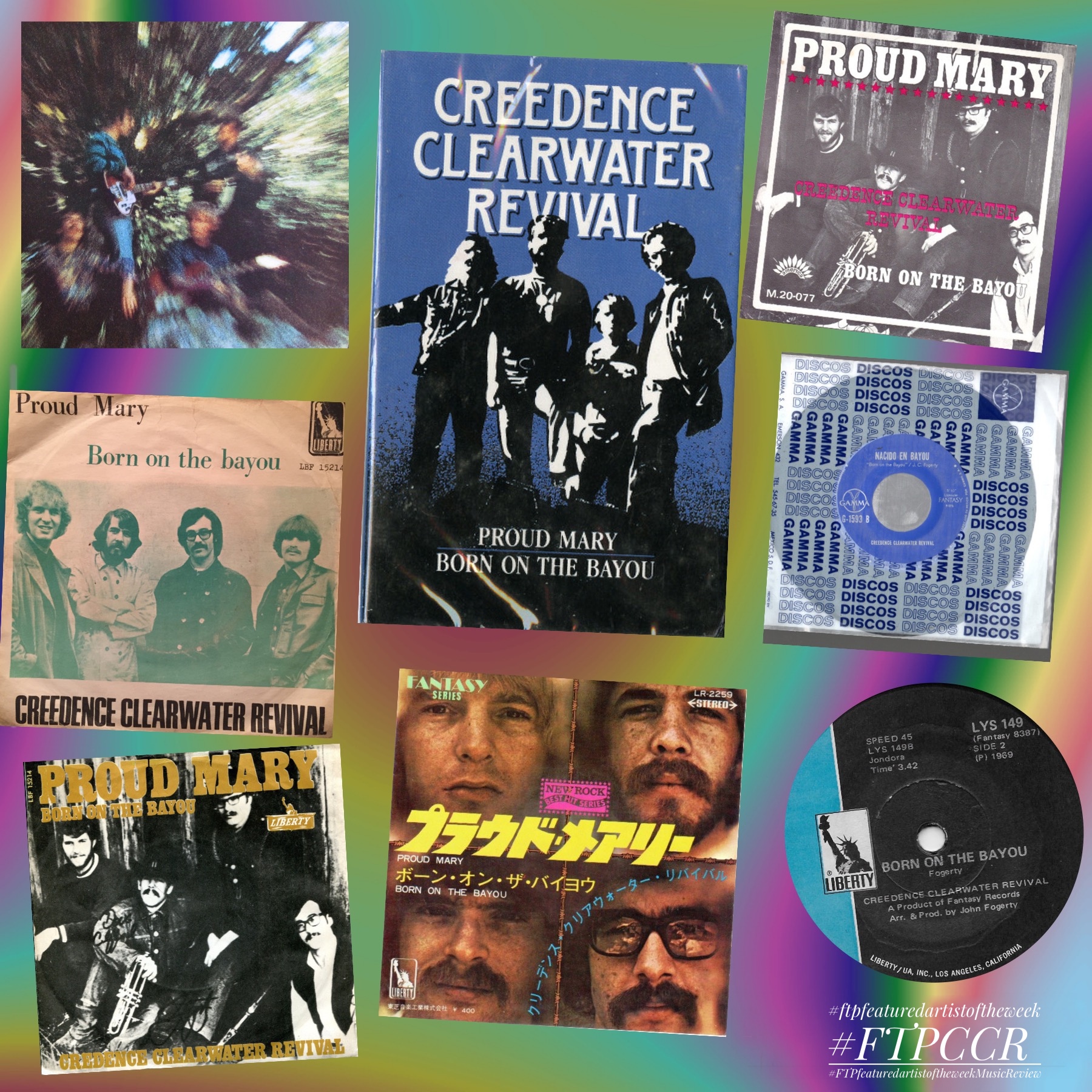
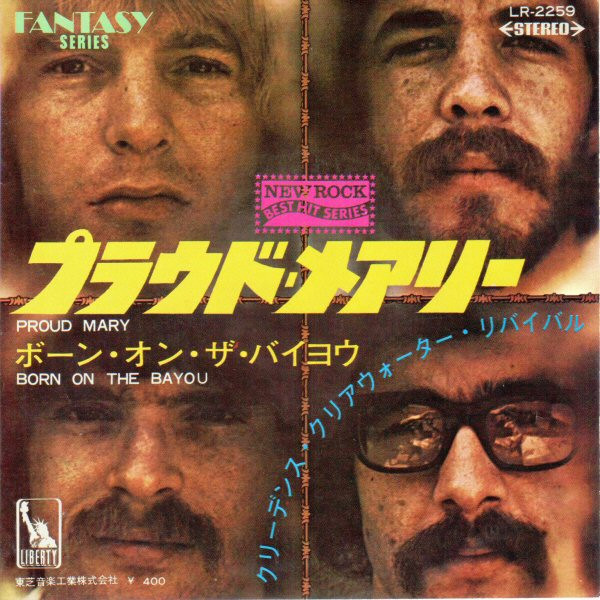
CREEDENCE CLEARWATER REVIVAL - BORN ON THE BAYOU


Released: January 5, 1969

Charts: US: #2    UK: #8 


"Born on the Bayou" is the opening track on Creedence Clearwater Revival's 1969 album “Bayou Country” and served as the B-side to the hit single "Proud Mary." While "Proud Mary" reached No. 2 on the Billboard charts, John Fogerty has expressed that "Born on the Bayou" is his favorite CCR song. Its swampy, atmospheric sound has become emblematic of the band's Southern rock style, despite Fogerty having no personal ties to the region.


"Born on the Bayou," written by John Fogerty, captures an imagined Southern childhood despite Fogerty never having visited a bayou when he wrote it. Living in Berkeley, California, Fogerty drew inspiration from research and his imagination, envisioning a swampy setting for the song. He later had his first bayou experience in 1969, courtesy of John Fred, singer of "Judy in Disguise," who took him to Bayou Forche in Louisiana.


The song originated from an impromptu riff during a soundcheck at the Avalon Ballroom in San Francisco in 1968. Fogerty later elaborated on the song's mystical themes, drawing from gospel influences and popular films, creating a mythical world centered around a "hoodoo," a spiritual and ghostly figure. 


John Fogerty connected "Born on the Bayou," "Proud Mary," and "Keep on Chooglin'" in his creative process, imagining a shared, mythical setting for these songs. He recalled that this conceptualization came during a late-night writing session in El Cerrito, California. The assassination of Bobby Kennedy in 1968 played on TV as he wrote, adding a surreal and somber backdrop to his creative process. The three songs came to life as part of a cohesive "swamp bayou myth," despite Fogerty's lack of direct experience with such places. This imaginative approach allowed Fogerty to craft a series of songs that felt interconnected, with recurring themes and references to an otherworldly, Southern landscape. These tracks, especially with their swamp rock sound, became defining elements of Creedence Clearwater Revival's identity.


Creedence Clearwater Revival's performance at Woodstock in 1969 was memorable, not only for the songs they played but for the unique circumstances surrounding their set. As the first song in their set, "Born on the Bayou" opened their performance in the early hours of the morning, around 3:30 am. By this time, much of the Woodstock crowd, exhausted and mud-covered, had fallen asleep. John Fogerty recalled the surreal scene, comparing it to a "Dante scene" with bodies intertwined and zonked out. Despite the lack of energy from the massive audience, Fogerty found inspiration in a single fan far in the distance who flicked his lighter and offered support, shouting, "Don't worry about it, John. We're with you." This lone fan's encouragement gave Fogerty the resolve to continue playing with full spirit, turning what could have been a disheartening moment into one of personal significance for the band.





30.10.24


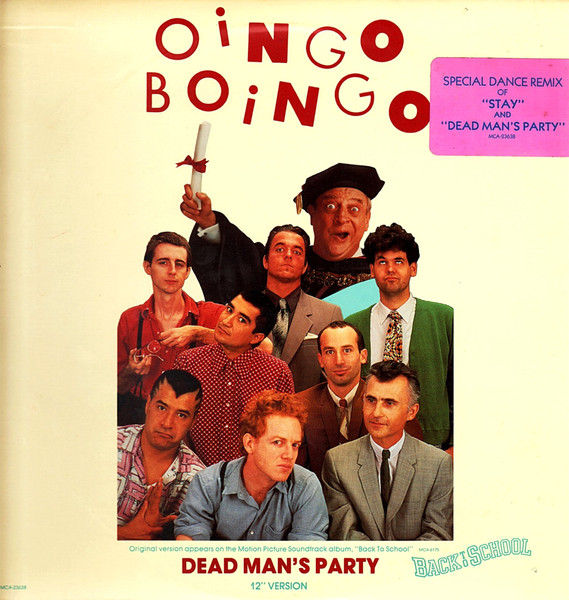
OINGO BOINGO - DEAD MAN’S PARTY


Released: April 29, 1986


"Dead Man's Party" by Oingo Boingo was released as the third single from their album of the same name and quickly became a fan favorite. Known for its iconic dancing skeletons, the song has become one of the band's most recognized tracks, symbolizing their darkly playful aesthetic.


"Dead Man's Party" uses dark, clever lyrics to depict themes of death and a symbolic funeral. Lines like "All dressed up with nowhere to go" and "Walking with a dead man over my shoulder" set a morbid tone, evoking a journey to the afterlife. Danny Elfman references funeral customs, singing about "my best suit and my tie" and "shiny silver dollar on either eye," alluding to traditions of dressing the deceased in fine clothes and placing coins on their eyelids. The lyrics even nod to mythology with the ferryman of the River Styx.


The line about the chauffeur saying, “there’s room for maybe just one more” draws on an old campfire horror story. In that tale, a man is awakened at night by a car horn and, looking out, sees his six friends dressed in suits inside the car. The driver calls out, “There’s room for one more,” but the man chooses not to join. Later, he recounts the eerie story to a friend before tragically dying in a car accident, leading his friend to believe he foresaw his own death. 


Danny Elfman of Oingo Boingo is the well-known composer for many Tim Burton movies, including The Nightmare Before Christmas (on which he is also the singing voice of Jack Skellington), Batman, the theme for the Simpsons, and many others.


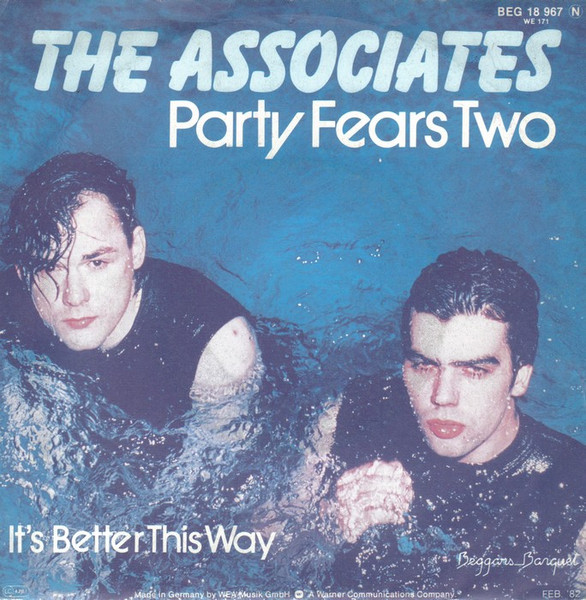
THE ASSOCIATES - PARTY FEARS TWO


Released: 26 February 1982

Charts: UK: #9 


"Party Fears Two" is a song by Scottish new wave band the Associates, written by band members Billy Mackenzie and Alan Rankine. Released as both a 7-inch and 12-inch single, it appeared on their 1982 album “Sulk”. 


Originally written in 1979 around a piano riff, "Party Fears Two" was initially set aside by band members Billy Mackenzie and Alan Rankine for being "too tuneful" during the tail-end of punk. "Party Fears Two" addresses themes of alcoholism and the tension between individualism and conformity. The song’s title came from a story about Mackenzie’s brother observing two girls trying to break into a party, whom he dubbed the "Party Fears Two." The lyrics reflect Mackenzie’s typical style, setting a mood of introspective anxiety rather than conveying a clear narrative. After two years spent refining the lyrics, the song was released in 1982 and became their most successful hit, reaching No. 9 on the UK Singles Chart and No. 16 in Ireland. 


Alan Rankine, co-writer of "Party Fears Two," sees the song as reflecting a deeper sense of alienation rather than a specific event. He explained that both he and Billy Mackenzie often felt like outsiders who didn’t belong, even when they managed to gain access to social circles or parties. Rankine described this feeling of being “impostors,” as if they were only there with “forged papers.” The song conveys their sense of disconnection and the impression that others seemed to navigate social situations effortlessly.


The song was largely written in 1977 but was delayed until 1982, as the band felt the art pop tune was too ahead of its time for the punk and new wave era. Co-writer Alan Rankine reflected that releasing it earlier would have been a “waste,” and even in 1982, its unusual sound and slightly unsettling quality made it distinct. 


The song ends with frontman Billy Mackenzie smashing cups and spitting out gum, sounds captured in a recording experiment with bassist Michael Dempsey, symbolizing Mackenzie’s disconnect from the world around him.


29.10.24


OMD - ENOLA GAY


Llançament: 26 de setembre de 1980  

Llistes d'èxits: Regne Unit: #8  


"Enola Gay" és una cançó antimilitarista de la banda electrònica anglesa Orchestral Manoeuvres in the Dark (OMD), escrita pel vocalista i baixista Andy McCluskey, i llançada com a únic senzill del seu àlbum de 1980 “Organisation”. Com moltes de les primeres peces d’OMD, la cançó utilitza una melodia de sintetitzador en lloc d’una tornada tradicional cantada.


"Enola Gay" rep el nom del bombarder nord-americà que va llançar la bomba atòmica sobre Hiroshima el 1945, causant la mort de més de 100.000 persones. El pilot de l’avió, el coronel Paul Tibbets, va batejar-lo amb el nom de la seva mare, Enola Gay Tibbets, que havia estat nomenada així en honor a l’heroïna d’una novel·la. Andy McCluskey va explicar que, tot i que la cançó fa referència a aquest esdeveniment devastador, molts oients van malinterpretar-ne el significat, amb alguns fins i tot especulant que era un missatge codificat sobre la sexualitat dels membres de la banda. McCluskey va esmentar que l'interès del grup pels avions de la Segona Guerra Mundial va fer de "Enola Gay" un títol escaient per a la cançó.


La lletra reflexiona sobre l’ambigüitat moral de l’ús de la bomba atòmica a Hiroshima. La frase "It shouldn’t ever have to end this way" (No hauria d’haver acabat mai d’aquesta manera) convida els oients a qüestionar-se si el bombardeig era necessari. La frase "Is mother proud of Little Boy today?" (Està orgullosa la mare de Little Boy avui?) al·ludeix tant a la bomba, anomenada “Little Boy”, com al pilot de l’avió, Paul Tibbets. L’esment de les 8:15, "the time that it’s always been" (l'hora que sempre ha estat), fa referència al moment exacte de la detonació de la bomba, que va aturar molts rellotges en aquella hora. Tot i ser reconeguda com una cançó antimilitarista, McCluskey va afirmar que no tenia un impuls polític concret, sinó que va néixer de la fascinació pels bombarders de la Segona Guerra Mundial, deixant lloc a la reflexió sobre si l'acte va ser justificat.


El videoclip es va filmar als estudis ITN en només tres hores. Comença amb imatges accelerades de núvols movent-se pel cel, establint un to reflexiu. Es mostra el conegut riff de teclat, amb els dits del teclista tocant i amb un efecte rotoscòpic digital que crea una sensació escaient d’animació. El vídeo també inclou una superposició transparent de McCluskey cantant i tocant el baix, barrejant aquests elements per emfatitzar el to eteri i contemplatiu de la cançó.


Andy McCluskey va compartir detalls sobre el procés creatiu de la banda, explicant que la música sol ser el primer pas, sovint inspirada per sons, patrons de bateria o samples. Tot i que McCluskey sol tenir idees temàtiques o lletres per a les cançons, la música és la base sobre la qual construeix. Recorda que, en els inicis, mantenia una carpeta amb possibles títols i idees per a cançons, que intentava combinar amb la música creada, demostrant així un mètode de composició sistemàtic en què la música precedeix les lletres.


OMD - ENOLA GAY


Released: September 26, 1980

Charts:  UK: #8 


"Enola Gay" is an anti-war song by the English electronic band Orchestral Manoeuvres in the Dark (OMD), written by lead vocalist and bassist Andy McCluskey and released as the only single from their 1980 album “Organisation”. Like many early OMD tracks, the song uses a melodic synthesizer break in place of a traditional sung chorus. 


"Enola Gay" is named after the U.S. bomber that dropped the atomic bomb on Hiroshima in 1945, killing over 100,000 people. The plane's pilot, Colonel Paul Tibbets, had named it after his mother, Enola Gay Tibbets, who in turn was named after a novel's heroine. Lead singer Andy McCluskey explained that while the song references the devastating historical event, many listeners misunderstood its meaning, with some even speculating it was a coded message about the band members' sexuality. McCluskey noted their interest in WWII airplanes, making "Enola Gay" a fitting title for the song.


The lyrics reflect on the moral ambiguity surrounding the use of the atomic bomb on Hiroshima. The line "It shouldn't ever have to end this way" encourages listeners to question whether the bombing was necessary. The phrase "Is mother proud of Little Boy today?" alludes to both the bomb, nicknamed "Little Boy," and the plane's pilot, Paul Tibbets, who named the aircraft after his mother. The line "It's 8:15, and that's the time that it's always been" refers to the time the bomb detonated, freezing many timepieces at 8:15 AM. While recognized as an anti-war song, McCluskey stated it wasn't politically driven, but rather born from a fascination with WWII bombers, leaving room for reflection on whether the act was justified.


The music video was filmed at the ITN studios in just three hours. It opens with sped-up footage of clouds moving through the sky, setting a reflective tone. The keyboard riff is featured prominently, shown as the keyboardist's hands playing, with the footage digitally rotoscoped for a unique animated effect. The video also includes a transparent overlay of lead vocalist Andy McCluskey singing and playing bass guitar, blending these elements to match the song's ethereal and contemplative mood.


Andy McCluskey shared insights into the band's creative process. He explained that the music typically comes first, often inspired by sounds, drum patterns, or samples. While he has lyrical or thematic ideas for songs, the music is the foundation upon which he builds. McCluskey recalled that in the early days, he kept a ring binder filled with proposed song titles and ideas, which he would try to pair with the music they created, demonstrating a systematic approach to songwriting where the music precedes the lyrics.