Total de visualitzacions de pàgina:

25.11.24


YVONNE ELLIMAN - IF I CAN’T HAVE YOU


Estrena: 13 de desembre de 1977

Llistes: EUA: #1 (1 setmana) Regne Unit: #4


“If I Can’t Have You” és una cançó disco escrita pels Bee Gees i inclosa a la banda sonora de “Saturday Night Fever.” Interpretada per Yvonne Elliman, la cançó combina un ritme vibrant i enèrgic amb lletres que expressen solitud i desamor, un exemple de dissonància lírica, ja que la música alegre contrasta amb el tema de desesperació davant la pèrdua d’un amor. La lletra és intencionadament neutral en termes de gènere, cosa que permet als oients de qualsevol identitat connectar amb el desig i la incertesa de la cantant sobre com avançar sense la seva parella.


Inicialment, els Bee Gees van pensar que Yvonne Elliman interpretaria “How Deep Is Your Love” per a la banda sonora de “Saturday Night Fever.” Tanmateix, Robert Stigwood, president de RSO Records i mànager dels Bee Gees, va decidir que els Bee Gees gravarien aquesta cançó, mentre Elliman cantaria “If I Can’t Have You” amb un estil disco. Els Bee Gees també van gravar la seva pròpia versió de la cançó, tot i que la d’Elliman va ser la que es va incloure a l’àlbum.


La versió d’Elliman va ser produïda per Freddie Perren en el seu estudi de Los Angeles, Mom & Pop’s Company Store. Perren, que va començar com a productor de Motown, va tenir gran èxit durant l’era disco treballant amb artistes com Peaches & Herb. Per a “Saturday Night Fever”, el productor Robert Stigwood va contractar Perren per enregistrar diverses cançons, incloent-hi la d’Elliman i “More Than a Woman” de Tavares. Perren va reunir el seu equip de músics de sessió de confiança: Scott Edwards (baix), Bob “Boogie” Bowles (guitarra), James Gadson (bateria) i Sonny Burke (piano), que van ajudar a crear el so característic de la secció rítmica. Segons Edwards, els músics sovint improvisaven més enllà dels acords bàsics, aportant el seu estil i creant l’essència de la cadència disco de la cançó.


L’èxit de “If I Can’t Have You” va donar a Yvonne Elliman popularitat com a artista disco, encara que aquest no era el seu estil principal, ja que la majoria de les seves cançons eren balades de ritme moderat. Elliman, que havia començat la seva carrera com a corista per a Eric Clapton i va participar en èxits com “I Shot The Sheriff,” es va donar a conèixer interpretant Maria Magdalena a “Jesus Christ Superstar.” La seva interpretació de “I Don’t Know How to Love Him” li va valer una nominació al Globus d’Or el 1974, convertint-se en la primera artista de les Illes del Pacífic a ser nominada en un paper protagonista. L’èxit de “If I Can’t Have You” la va convertir, a més, en la primera artista asiàtica/del Pacífic a assolir el número 1 als Estats Units.


YVONNE ELLIMAN - IF I CAN’T HAVE YOU


Released: December 13, 1977

Charts:  US: #1 (1 week)   UK: #4 


"If I Can't Have You," written by the Bee Gees and released in 1977 on the “Saturday Night Fever” soundtrack, is a disco track that combines a vibrant, upbeat groove with lyrics that express loneliness and heartbreak. Sung by Yvonne Elliman, the song exemplifies lyrical dissonance, as the energetic music contrasts with themes of despair over lost love. The lyrics are intentionally gender-neutral, allowing listeners of any gender to connect with the singer's longing and uncertainty about moving forward without their love.


The Bee Gees initially planned for Yvonne Elliman to perform "How Deep Is Your Love" for the “Saturday Night Fever” soundtrack, but RSO Records chairman and Bee Gees manager Robert Stigwood, who was also the album's executive producer, decided that the Bee Gees should record "How Deep Is Your Love" instead, while Elliman would sing "If I Can't Have You" in a disco style. The Bee Gees recorded their own version of "If I Can't Have You" as well, though Elliman’s version became the featured track on the album.


Freddie Perren produced Yvonne Elliman's version at his Los Angeles studio, Mom & Pop's Company Store. A former Motown producer, Perren gained significant success in the disco era working with artists like Peaches & Herb. For “Saturday Night Fever”, producer Robert Stigwood enlisted Perren to record a few tracks, including Elliman’s version of "If I Can't Have You" and Tavares’ "More Than A Woman." Perren assembled his go-to session musicians—Scott Edwards (bass), Bob "Boogie" Bowles (guitar), James Gadson (drums), and Sonny Burke (piano)—who shaped the rhythm section's sound. According to Edwards, the musicians often improvised beyond basic chord charts, bringing their own style to the rhythm section and creating the distinctive disco groove.


Yvonne Elliman's hit "If I Can't Have You" made her widely known as a disco artist, though disco was not her primary style. Most of her music consisted of mid-tempo ballads. Elliman, who began her career as a backup singer for Eric Clapton and performed on hits like "I Shot The Sheriff," initially gained recognition as Mary Magdalene in “Jesus Christ Superstar”. Her performance of "I Don’t Know How to Love Him" brought her a 1974 Golden Globe nomination, making her the first Pacific Islander nominated in a leading role. The success of "If I Can't Have You" also made her the first Asian/Pacific Islander artist to achieve a #1 hit in the U.S.



24.11.24


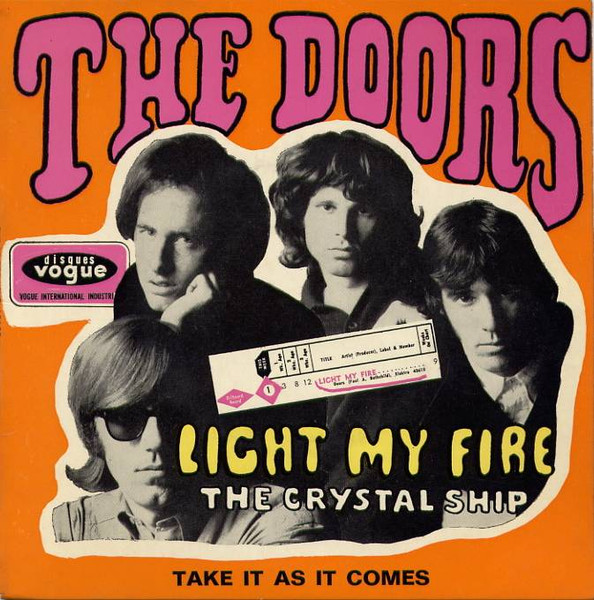
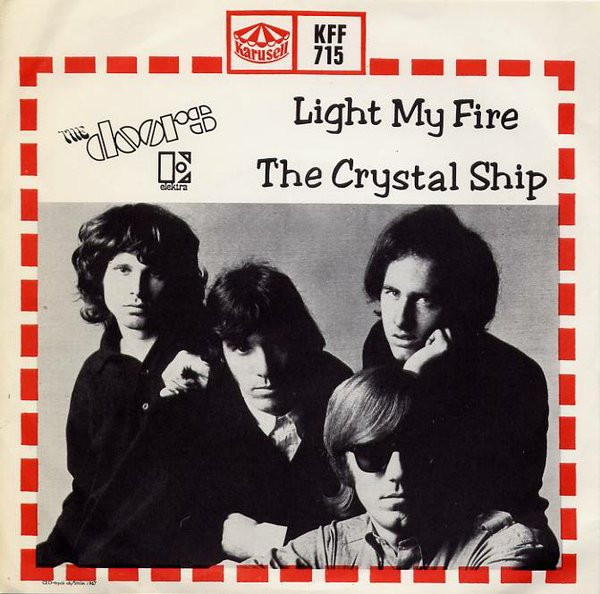
 THE DOORS - LIGHT MY FIRE

Llançada el 24 d'abril de 1967  

Llistes: EUA: #1 (3 setmanes)   Regne Unit: #7  


"Light My Fire" és una cançó fonamental del rock psicodèlic, gravada l'agost de 1966 i inclosa en l'àlbum de debut de The Doors, publicat al gener de 1967. Amb la seva lletra sensual i una estructura innovadora, va capturar l'esperit dels anys 60, simbolitzant les revolucions psicodèlica i sexual d'aquella època. S’ha fet icònica per les seves llargues pauses instrumentals i el riff hipnòtic de l'òrgan, que va definir el so del rock psicodèlic i va consolidar la cançó com una de les més celebrades de The Doors.


"Light My Fire" va ser escrita en gran part pel guitarrista Robby Krieger, inspirat per l'objectiu de compondre una cançó centrada en un dels quatre elements clàssics: terra, aire, foc i aigua. Vivint amb els seus pares a Pacific Palisades, va demanar consell al cantant Jim Morrison sobre què escriure. Morrison li va suggerir un tema universal i interpretable, que no quedés obsolet. Inspirat per la cançó "Play With Fire" de The Rolling Stones, Krieger va triar el foc i va crear tant la melodia com la major part de la lletra, que exploren temes de passió i alliberament d’inhibicions.


Inicialment, la cançó tenia un so de folk fins que Morrison va afegir el suggerent segon vers "our love becomes a funeral pyre..." (el nostre amor es converteix en una pira funerària) i Ray Manzarek va introduir l’emblemàtic solo d’òrgan que va ajudar a definir la peça. El bateria John Densmore també va fer una contribució clau creant-ne el ritme. Tot i que Robby Krieger va escriure la majoria de la lletra, tots els membres de la banda van rebre crèdit per igual, tal com era habitual amb The Doors en aquell moment.


A l’àlbum “The Doors”, llançat al gener de 1967, "Light My Fire" dura 6 minuts i 50 segons, incloent-hi llargs solos de guitarra i teclat. Quan el primer single de la banda, "Break On Through (To The Other Side)", només va arribar al número 126 de les llistes dels Estats Units, Elektra Records va dubtar a llançar "Light My Fire" com a single per la seva durada, però la demanda del públic va impulsar el segell a demanar al productor Paul Rothchild que creés una versió més curta per a la ràdio. Rothchild la va reduir a 2 minuts i 52 segons, eliminant els solos instrumentals, i aquesta versió es va publicar l'abril de 1967. El single va tenir un èxit immens, impulsant The Doors cap a l’èxit popular. No obstant, molts fans i locutors de ràdio van expressar insatisfacció amb la versió curta i, després de l’èxit de la cançó, diverses emissores van començar a emetre la versió completa de l'àlbum.


El fundador d’Elektra Records, Jac Holzman, va recordar la dificultat d’editar "Light My Fire" per adaptar-la a la ràdio a causa dels seus sis minuts i mig de durada. Després d’intents fallits de crear una versió més curta, Holzman va demanar al productor Paul Rothchild que ho provés ell mateix. Tot i que la banda es va resistir fermament a l’edició que eliminava els solos instrumentals, Jim Morrison va donar-hi suport, convençut que, fins i tot en versió curta, la cançó captivaria els oients. Finalment, Elektra va llançar la versió editada com a single, amb la versió completa a la cara B.


The Doors van interpretar "Light My Fire" en directe al programa The Ed Sullivan Show el 17 de setembre de 1967, en una actuació que va generar controvèrsia. Els productors havien demanat a la banda que canviés la lletra "girl, we couldn't get much higher" (noia, no podríem pujar molt més amunt) per evitar al·lusions a les drogues. La banda va acceptar i va assajar la frase modificada, però durant la transmissió en directe, Jim Morrison va cantar la lletra original. Com a resultat, Ed Sullivan es va negar a donar la mà a Morrison després de l’actuació, i se’ls va dir que no serien convidats de nou al programa. La resposta de Morrison va ser despreocupada: "Eh, home. Ja hem fet el Sullivan."


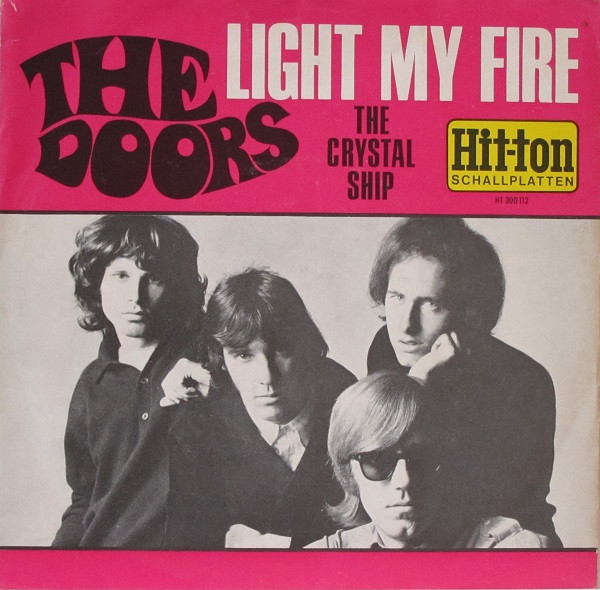
THE DOORS - LIGHT MY FIRE


Released: April 24, 1967

Charts:  US: #1 (3 weeks)  UK: #7 


"Light My Fire" is a landmark track in psychedelic rock, recorded in August 1966 and released on The Doors debut album in January 1967. Its sensual lyrics and innovative structure captured the spirit of the '60s, symbolizing the era’s psychedelic and sexual revolutions. The song became iconic for its lengthy instrumental breaks and hypnotic organ riff, which helped define the psychedelic rock sound and made it one of The Doors' most celebrated songs.


"Light My Fire" was largely written by Doors guitarist Robby Krieger, inspired by his goal to compose a song centered around one of the four classical elements—earth, air, fire, and water. Living with his parents in Pacific Palisades, he sought guidance from lead singer Jim Morrison on what to write about. Morrison suggested a universal theme that people could interpret in their own ways and that wouldn’t quickly fade. Krieger, inspired by The Rolling Stones' song "Play With Fire," chose "fire" and crafted both the melody and most of the lyrics, which explore themes of passion and the release of inhibitions. 


This song initially had a folk sound until Jim Morrison added the evocative second verse ("our love becomes a funeral pyre...") and Ray Manzarek introduced the iconic organ intro that helped define the song. Drummer John Densmore also made a key contribution by creating its rhythm. While guitarist Robby Krieger wrote most of the lyrics, all band members received equal songwriting credit, as was customary for the Doors during this period. 


On “The Doors” album, released in January 1967, "Light My Fire" clocks in at 6:50, including extended guitar and keyboard solos. When the band's first single, "Break On Through (To The Other Side)," underperformed, only reaching #126 on the U.S. charts, Elektra Records was hesitant to release "Light My Fire" as a single due to its length, but strong listener demand prompted the label to ask producer Paul Rothchild to create a radio-friendly edit. He shortened it to 2:52 by cutting the instrumental solos, and this condensed version was released in April 1967. The single became a major hit, propelling The Doors into mainstream success. Many fans and DJs, however, were unsatisfied with the abbreviated cut, and after the song’s success, several radio stations began airing the full album version.


Elektra Records founder Jac Holzman recounted the challenge of editing "Light My Fire" for radio due to its seven-and-a-half-minute runtime. After multiple unsuccessful attempts to create a shorter cut, Holzman asked producer Paul Rothchild to tackle it himself. Rothchild’s edit, which removed the instrumental solo, was met with strong resistance from the band, though Jim Morrison supported the move, believing that even a shortened version could captivate listeners. Ultimately, Elektra released the edited version as a single, with the full-length track on the B-side.


The Doors performed "Light My Fire" live on The Ed Sullivan Show on September 17, 1967, but the performance stirred controversy. Producers had asked the band to change the lyric "girl, we couldn't get much higher" to avoid potential drug references. The band agreed and rehearsed the modified line, but during the live broadcast, Jim Morrison sang the original lyrics. As a result, Ed Sullivan declined to shake Morrison’s hand afterward, and the band was told they would not be invited back. Morrison's response was casual: "Hey man. We just did the Sullivan show."


23.11.24


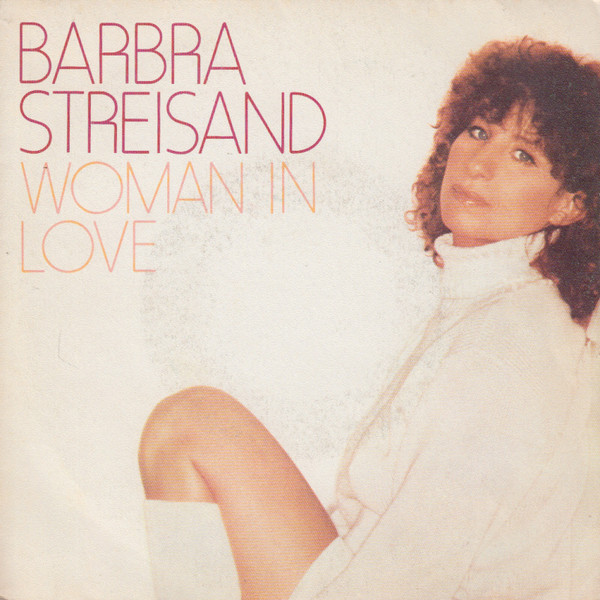
BARBRA STREISAND - WOMAN IN LOVE


Llançament: 16 d’agost de 1980

Posicions en llistes: EUA: #1 (3 setmanes), Regne Unit: #1 (3 setmanes)


“Woman in Love” és una cançó d’èxit interpretada per Barbra Streisand, llançada com a senzill principal del seu àlbum de 1980 “Guilty”. Escrita per Barry i Robin Gibb dels Bee Gees, es va convertir en una de les més reeixides de Streisand, arribant al primer lloc de la llista Billboard Hot 100 durant tres setmanes. Aquest èxit va ajudar a consolidar “Guilty” com un dels àlbums més icònics de la seva carrera. El videoclip de “Woman in Love” incloïa fragments de la pel·lícula “A Star Is Born” i altres pel·lícules de Streisand dels anys 70.


“Woman in Love” és una balada on Streisand retracta una dona aclaparada per un amor intens. Va descriure la cançó com una de les millors cançons d’amor, destacant-ne la passió, emoció i autenticitat. Tot i això, Barry Gibb va revelar que Streisand va necessitar certa persuasió per gravar-la, ja que inicialment dubtava de la frase “it’s a right I defend, over and over again” (“és un dret que defenso, una vegada i una altra”), pensant que potser era massa contundent o alliberadora per a una cançó pop.


Barry Gibb va ser reticent a treballar amb Streisand, intimidat per la seva fama i el seu control sobre les produccions. Però després d’una conversa positiva amb Neil Diamond, es va sentir més segur de col·laborar-hi. Un cop a l’estudi, l’experiència va resultar positiva, amb Streisand receptiva a les idees de Gibb i respectuosa amb la seva contribució. Ell la va descriure com una veritable dama, i la col·laboració va ser un èxit.


Segons Albhy Galuten, membre de l’equip de producció dels Bee Gees, la cançó utilitza un bucle de bateria de “Stayin’ Alive” dels Bee Gees, que es va alentir i adequar per a “Woman in Love”. Aquest bucle de bateria va ser acreditat a Bernard Lupe, un artista fictici, de la mateixa manera que a “Stayin’ Alive”.


BARBRA STREISAND - WOMAN IN LOVE


Released: August 16, 1980

Charts:  US: #1 (3 weeks)   UK: #1 (3 weeks)


"Woman in Love" is a hit song performed by Barbra Streisand, released as the lead single from her 1980 album *Guilty*. Written by Barry and Robin Gibb of the Bee Gees, the song became one of Streisand's most successful tracks, marking her fifth and final #1 hit on the Billboard Hot 100. After its release, it topped the chart for three weeks, replacing Queen's "Another One Bites The Dust" and being succeeded by Kenny Rogers' "Lady." The success of the song helped solidify “Guilty” as one of Streisand's most iconic albums. The music video included clips from “A Star Is Born” as well as footage from other movies she made in the 1970s. 


"Woman in Love" is a ballad where Barbra Streisand portrays a woman overwhelmed by intense love. Streisand described the song as one of the greatest love songs, emphasizing its passion, emotion, and authenticity. However, Barry Gibb revealed that it took some convincing for Streisand to record the song, as she initially questioned the line "it's a right I defend, over and over again," feeling it might be too strong or liberationist for a pop song. 


Barry Gibb was initially hesitant to work with Barbra Streisand due to her reputation as a powerful and sometimes difficult artist. He was intimidated by her stardom and control over her work, but his wife encouraged him to take the project, even prompting him to ask Neil Diamond about his experience working with her. After receiving positive feedback, Gibb agreed to collaborate. Once in the studio, Gibb found the experience enjoyable, as Streisand was open to his ideas while also respecting his input. He described her as a true lady, and the collaboration turned out to be a success.


According to Albhy Galuten, a member of the Bee Gees' production team, the song borrowed a drum loop element from the Bee Gees' hit "Stayin' Alive." The loop was slowed down and radically EQ'd for "Woman in Love." This drum loop, originally from "Stayin' Alive," was credited to Bernard Lupe, a fictional artist who was also credited for the loop in the earlier hit. 


HEART - CRAZY ON YOU


Publicada: març de 1976  

Llistes: EUA: #35  


"Crazy on You" és una cançó de Heart del seu àlbum debut “Dreamboat Annie” de 1975. Llançada com a single el març de 1976, va assolir el top 25 al Canadà i el top 35 als Estats Units, i més tard va guanyar popularitat als Països Baixos i a Bèlgica, on va arribar al número 2 i al número 13 respectivament, el 1977. La cançó segueix sent una de les peces icòniques de Heart i és un clàssic a les ràdios de rock als EUA.


"Crazy on You" va ser escrita per la cantant Ann Wilson com a resposta a la inestabilitat de l’època, incloent la Guerra de Vietnam, l'augment de la delinqüència i la incertesa econòmica. Davant un futur desolador, Wilson va trobar consol en la seva relació amb el guitarrista de Heart, Mike Fisher, i va canalitzar les seves pors i agraïment en la lletra de la cançó. La peça comença amb les seves reflexions sobre l'angoixa de l'època, però canvia cap a un to sensual, celebrant l'amor i la calma que va trobar amb Fisher com a refugi enmig del caos.


“Crazy On You” va ser el single revelació de Heart als Estats Units, però inicialment va guanyar popularitat al Canadà, on la banda tenia la seva base a Vancouver i havia signat amb el segell canadenc Mushroom. El DJ de Montreal Doug Pringle va ajudar a popularitzar la cançó, que va començar a tenir més reproducció a la ràdio i a captar l’interès dels fans mentre Heart feia una gira pel Canadà a finals de 1975. Durant la seva gira pels Estats Units el 1976, Mushroom la va promocionar a nivell regional, i va arribar a la posició #35 als EUA. A la tardor el seu següent single "Magic Man", va assolir el #9, i l”àlbum “Dreamboat Annie” va vendre més d'un milió de còpies, cosa que va assegurar a Heart un contracte important amb CBS. La banda es va traslladar llavors a Seattle.


La seva inclusió al Rock and Roll Hall of Fame el 18 d'abril de 2013 va ser destacada per una reunió memorable de la formació original de la banda—Ann i Nancy Wilson, Roger Fisher, Howard Leese, Steve Fossen i Mike Derosier—que van interpretar "Crazy On You" junts per primera vegada des de 1979. Aquest moment va ser significatiu tant per a la banda com per als seus fans, ja que celebrava el seu llegat i reunia membres clau després de dècades de separació.


HEART - CRAZY ON YOU


Released: March 1976

Charts:  US: #35 


Heart's "Crazy on You" is a track from their 1975 debut album, “Dreamboat Annie”. Released as a single in March 1976, it reached the top 25 in Canada and the top 35 in the United States, later gaining significant popularity in the Netherlands and Belgium, where it peaked at number 2 and number 13, respectively, in 1977. The song remains one of Heart's signature tracks and is a staple on classic rock radio in the US.


"Crazy on You" was written by lead singer Ann Wilson as a response to the turmoil of the times, including the Vietnam War, rising crime, and economic uncertainty. Facing a bleak outlook, Wilson found comfort in her relationship with Heart guitarist Mike Fisher, channeling her fears and gratitude into the lyrics. The song opens with her reflections on the anxiety of the era but shifts to a sensual tone, celebrating the solace and love she found with Fisher as a refuge amidst the chaos.p


“Crazy On You” was Heart’s breakout single in the U.S. but initially gained traction in Canada, where the band was based in Vancouver and signed to the Canadian label Mushroom. Montreal DJ Doug Pringle helped popularize the song, which saw increased radio play and fan interest as Heart toured Canada in late 1975. During their 1976 U.S. tour, Mushroom promoted the song regionally, leading it to peak at #35 in the U.S. By fall, however, their follow-up single "Magic Man" reached #9, and “Dreamboat Annie” sold over a million copies, securing Heart a major-label contract with CBS. The band then moved to Seattle.


Heart's induction into the Rock and Roll Hall of Fame on April 18, 2013, featured a memorable reunion of the band’s original lineup—Ann and Nancy Wilson, Roger Fisher, Howard Leese, Steve Fossen, and Mike Derosier—who performed “Crazy On You” together for the first time since 1979. This marked a significant moment for the band and their fans, celebrating their legacy and reuniting key members after decades apart.