Total de visualitzacions de pàgina:

11.1.25


ADAMSKI - KILLER


Llançament: 21 de març de 1990

Llistes d’èxits: Regne Unit: #1 (4 setmanes)


“Killer” és un èxit de 1990 del DJ i productor britànic Adamski, amb la col·laboració vocal de Seal. Escrita conjuntament per Adamski i Seal, va ser llançada com el primer senzill de l’àlbum “Doctor Adamski’s Musical Pharmacy”. La cançó va liderar les llistes del Regne Unit durant quatre setmanes entre maig i juny de 1990. Per a molts, “Killer” va ser la primera introducció a Seal, que es faria molt més conegut amb el seu àlbum debut en solitari el 1991.


Inicialment, Adamski va concebre “Killer” com una peça instrumental. A la recerca d’un vocalista per completar-la, va conèixer Sealhenry Samuels (posteriorment conegut simplement com a Seal) en un club, on aquest es va presentar com a cantant. Adamski, impressionat pel carisma i les idees de Seal, el va convidar a col·laborar. Seal va escriure la lletra i va enregistrar les seves veus en una sola presa.


El 1991, Seal va regravar “Killer” per al seu àlbum debut en solitari, després de l’èxit del seu primer senzill, “Crazy”. Tot i que aquesta versió no va repetir l’èxit massiu (#8 al Regne Unit, #100 als EUA), es va convertir en una de les preferides dels fans i en una peça habitual als seus concerts en directe. La col·laboració entre Adamski i Seal es va originar el 1989, quan Seal va assistir a una de les actuacions de rave il·legals d’Adamski i li va fer arribar una cinta demo a través del seu MC, Daddy Chester. Tant Adamski com Chester van quedar impressionats amb el talent de Seal. Després d’haver passat de bandes de blues a l’escena rave gràcies a un viatge per Àsia, Seal va aportar una perspectiva i un estil únics a Killer, sent un moment clau en la seva carrera.


Adamski i Seal van començar a treballar junts en “Killer” després de conèixer-se al club Solaris de Londres la nit de Cap d’Any de 1989. Adamski va convidar Seal a col·laborar en una peça que havia anomenat “The Killer” pel seu ambient cinematogràfic i inquietant, inspirat en escenes d’assassinat. Les veus de Seal es van gravar el 27 de gener de 1990, el mateix dia que Adamski va assistir a la protesta Freedom to Party a Trafalgar Square, que s’oposava a la repressió del govern contra la cultura rave.


Seal va descriure la lletra de “Killer” com una crida a la llibertat i a superar les barreres personals i socials. La frase “Racism in amongst future kids can only lead to no good, besides, all our sons and daughters already know how that feels” (El racisme entre els futurs nens només pot portar a res, a més, tots els nostres fills i filles ja saben com se senten) també apareix a la seva cançó de 1991 “Future Love Paradise”. La versió de Seal de Killer inclou una frase addicional que no es troba a l’original d’Adamski: “It’s the loneliness that’s the killer”, (La solitud és l'assassí) reforçant el tema de la solitud i la lluita humana per la connexió i la llibertat.


ADAMSKI - KILLER


Released: March 21, 1990

Charts:  UK: #1 (4 weeks)


“Killer” is a 1990 hit song by British DJ and producer Adamski, featuring vocals by Seal. Written by Adamski and Seal, it was released as the lead single from Adamski’s album Doctor Adamski’s Musical Pharmacy. The track topped the UK Singles Chart, spending four weeks at number one in May and June 1990. For many listeners, “Killer” was their introduction to Seal, who later gained widespread recognition with his debut solo album in 1991. 


“Killer” was initially conceived as an instrumental track by Adamski. Seeking a vocalist to complete the song, he met Sealhenry Samuels (later known simply as Seal) in a club, where Seal introduced himself as a singer. Impressed by Seal’s charisma and ideas, Adamski invited him to collaborate. Seal wrote the lyrics and recorded his vocals in a single take. 


Seal re-recorded “Killer” for his 1991 debut album, following the success of his first single, “Crazy.” While Seal’s version of “Killer” did not achieve massive chart success (#8 UK, #100 US), it became a fan favorite and a staple in his live performances. The collaboration between Adamski and Seal originated in 1989 when Seal attended one of Adamski’s illegal rave performances and passed a demo tape through Adamski’s MC, Daddy Chester. Both were impressed by Seal’s talent. Having transitioned from blues bands to the rave scene after traveling through Asia, Seal brought a fresh perspective and style to “Killer,” which became a breakthrough moment for his career.


Adamski and Seal’s collaboration on “Killer” began when they met at the Solaris club in London on New Year’s Eve in 1989. Adamski invited Seal to work on a track he had named “The Killer” due to its cinematic, murder-scene vibe. Seal’s vocals were recorded on 27 January 1990, the same day as the ‘Freedom to Party’ protest in Trafalgar Square against the government’s crackdown on rave culture, which Adamski attended after the session. 


Seal described the lyrics of “Killer” as a call to freedom and overcoming personal and societal barriers. The line, “Racism in amongst future kids can only lead to no good, besides, all our sons and daughters already know how that feels,” also appears in Seal’s 1991 song “Future Love Paradise.” Seal’s version of “Killer” adds a line not found in Adamski’s original: “It’s the loneliness that’s the killer,” reinforcing the theme of isolation and the human struggle for connection and freedom.


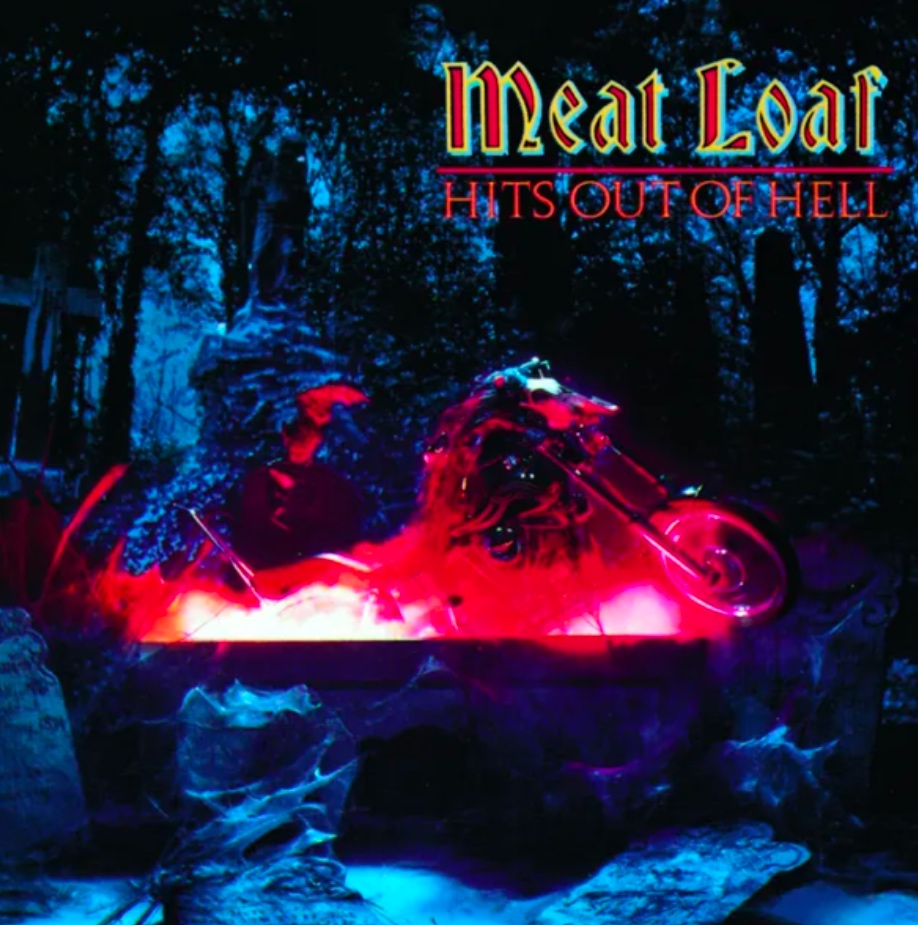
 MEAT LOAF - TWO OUT OF THREE AIN’T BAD

Llançament: Març de 1978

Llistes d’èxits: EUA: #11, Regne Unit: #32


“Two Out of Three Ain’t Bad” és una balada èpica de Meat Loaf, inclosa a l’àlbum “Bat Out of Hell”. Publicada com a segon senzill del disc al març de 1978, va aconseguir un gran èxit, arribant al número 11 del Billboard Hot 100 i mantenint-se a la llista durant 23 setmanes. Escrita per Jim Steinman, s’inspira en la senzillesa melancòlica de “I Want You, I Need You, I Love You” d’Elvis Presley, però adaptada a l’estil potent de Meat Loaf. El títol, una frase feta comuna, adquireix una càrrega emocional gràcies a la interpretació plena de sentiment de Meat Loaf. Va ser un dels seus èxits més icònics, només superat per “I’d Do Anything for Love” el 1993.


Jim Steinman va transformar la frase “Two Out of Three Ain’t Bad” (dos de tres no està malament) en una balada commovedora sobre les complexitats de l’amor. A la cançó, el personatge de Meat Loaf és rebutjat per una dona perquè no pot dir que l’estima. Ell intenta racionalitzar la situació afirmant que el seu desig i la necessitat d’ella haurien de ser suficients, rebutjant la idea d’un amor perfecte com una fantasia. El gir emocional arriba quan revela que la seva incapacitat d’estimar prové d’un cor trencat en una relació passada, on l’única dona que mai va estimar li va dir les mateixes paraules doloroses: “I want you, I need you, but I’ll never love you“ (Et vull, et necessito, però mai t’estimaré).


Es van crear dues versions: la de l’àlbum i la del single. La versió de l’àlbum (5:27) inclou arranjaments de sintetitzador Moog, tocats pel teclista de sessió Roger Powell, que li donen un so ric i texturat. La versió del single (menys de 4 minuts) redueix la presència del sintetitzador, posant èmfasi en l’arranjament càlid de cordes de Kenneth Ascher.


El single també inclou diverses edicions clau: s’elimina el primer pont líric, inclosa la frase “There ain’t no Coupe de Ville hiding at the bottom of a Cracker Jack box” (No hi ha cap Coupe de Ville amagat al fons d'una caixa de Cracker Jack), amb una transició directa al segon pont. També es tallen frases del darrer vers sobre el cor trencat, com “And though I know I’ll never get her out of my heart, she never loved me back” (I encara que sé que mai la trauré del meu cor, mai no em va tornar a estimar).

El cor final es desvaneix abans d’arribar al retorn complet de la frase d’obertura, “Baby we can talk all night, but that ain’t getting us nowhere” (Nena, podem parlar tota la nit, però això no ens porta enlloc). Aquests canvis van simplificar la cançó per a l’emissió a la ràdio, tot mantenint-ne el nucli emocional. El single va rebre la certificació d’Or de la RIAA i posteriorment va ser certificat Platí.


MEAT LOAF - TWO OUT OF THREE AIN’T BAD


Released: March 1978

Charts:  US: #11   UK: #32 


“Two Out of Three Ain’t Bad” is a power ballad from Meat Loaf’s album “Bat Out of Hell”. Released as the album’s second single in March 1978, it became a major hit, peaking at #11 on the Billboard Hot 100 and staying on the chart for 23 weeks. Jim Steinman crafted “Two Out of Three Ain’t Bad” as an homage to the melancholy simplicity of Elvis Presley’s “I Want You, I Need You, I Love You,” tailoring it to Meat Loaf’s powerful style. The song became an iconic hit, peaking at #11 on the Billboard Hot 100 and later surpassed only by “I’d Do Anything for Love” in 1993. Its title, a common cliché, was given emotional weight by Meat Loaf’s heartfelt performance. 


Jim Steinman transformed the phrase “two out of three ain’t bad” into a poignant ballad about love’s complexities. In the song, Meat Loaf’s character is rejected by a woman because he can’t say he loves her. He rationalizes that his desire and need for her should be enough, dismissing the idea of perfect love as a fantasy. The twist reveals his inability to love stems from heartbreak in a past relationship, where the only woman he ever loved left him with the same painful words: “I want you, I need you, but I’ll never love you.”


Two versions of the song were created: the album mix and the single mix. The album (5:27) features prominent Moog synthesizer embellishments by session keyboardist Roger Powell, providing a rich and textured sound. The single mix (under 4:00) shifts focus to Kenneth Ascher’s warmer string arrangement, reducing the synthesizer’s presence.


The single version also includes several key edits: The first lyrical bridge, including the line “There ain’t no Coupe de Ville hiding at the bottom of a Cracker Jack box,” is removed, with seamless splicing into the second bridge. Lines from the last verse about heartbreak, including “And though I know I’ll never get her out of my heart, she never loved me back,” are cut. The ending chorus fades out early, omitting the song’s full-circle return to the opening lyrics, “Baby we can talk all night, but that ain’t getting us nowhere.” These changes streamlined the track for radio play while maintaining its emotional core. The single earned Gold certification from the RIAA and was later certified Platinum. 


THE MAMAS AND THE PAPAS - MONDAY, MONDAY


Estrena: març de 1966 

Llistes: EUA: #1 (3 setmanes) Regne Unit: #3


“Monday, Monday” és una cançó escrita per John Phillips amb veu principal de Denny Doherty, inspirada en la sensació universal de desànim que acompanya el final del cap de setmana. La cançó, amb lletres que reflecteixen els “Monday blues,” va ser enregistrada amb músics de sessió de la Wrecking Crew i es va convertir en l’únic número 1 de The Mamas & the Papas als Estats Units, on va liderar el Billboard Hot 100 durant tres setmanes el 1966. També va assolir el número 3 al Regne Unit. El tema va valer al grup un Grammy el 1967 per la Millor interpretació contemporània (R&R) de grup, vocal o instrumental, i va ser inclòs al Grammy Hall of Fame el 2008.


Aquest va ser el tercer senzill del grup. Després del fracàs inicial de “Go Where You Wanna Go” i l’èxit massiu de “California Dreamin’”, les emissores de ràdio van començar a emetre “Monday, Monday” abans del seu llançament oficial, augmentant les expectatives i ajudant-la a escalar ràpidament a la primera posició. Va ser la primera cançó amb un dia de la setmana al títol que va assolir el número 1 als Estats Units, i segueix sent l’única amb “Monday” que ho ha fet. Altres temes sobre dilluns, com “Manic Monday” de les Bangles o “Rainy Days and Mondays” de The Carpenters, van arribar com a màxim al número 2.


Tot i el seu èxit, inicialment els membres del grup no estaven convençuts de la cançó. Denny Doherty l’havia descartat per ser una peça simple sobre el “treballador de cada dia” i es va sorprendre pel seu èxit. Tant Mama Cass com Michelle Phillips tampoc la van apreciar inicialment, i fins i tot John Phillips va admetre que no sabia ben bé què volia dir. La gravació va coincidir amb moments de tensió personal dins del grup, incloent-hi l’afair de Doherty amb Michelle Phillips i la lluita amb la beguda de Doherty.


Els músics de sessió de Los Angeles que van treballar a la pista incloïen Larry Knechtel als teclats, Joe Osborn al baix, Hal Blaine a la bateria i P.F. Sloan a la guitarra. Sloan, que només tenia 20 anys, va descriure la sessió com “màgica” i va acreditar-se com l’autor del suggeriment del riff de bateria de Blaine, inspirat pel seu treball anterior amb The Grass Roots.


THE MAMAS AND THE PAPAS - MONDAY, MONDAY


Released: March 1966 

Charts:  US: #1 (3 weeks)  UK: #3 


“Monday, Monday” is a song written by John Phillips, featuring lead vocals by Denny Doherty. Phillips composed it after being encouraged by Doherty to create new material. Inspired by the universal feeling of dread at the end of the weekend, the song captures the “Monday blues.” Recorded with backing music by members of the Wrecking Crew, it became the Mamas & the Papas’ only #1 hit on the U.S. Billboard Hot 100. The song earned the group a Grammy Award for Best Contemporary (R&R) Group Performance, Vocal or Instrumental on March 2, 1967, and was inducted into the Grammy Hall of Fame in 2008.


“Monday, Monday” was The Mamas & the Papas’ third single. After their first release, “Go Where You Wanna Go,” failed, “California Dreamin’” became a massive success, leading radio stations to play “Monday, Monday” before its official release. Anticipation helped it rise quickly to #1 on the Billboard Hot 100, making it the first chart-topping song with a day of the week in the title and the only one with “Monday.” Other “Monday” hits, like “Manic Monday” by the Bangles and “Rainy Days and Mondays” by the Carpenters, peaked at #2.


Denny Doherty initially dismissed it as a simple song about the working man and was surprised by its success. Mama Cass and Michelle Phillips also disliked the song, and John Phillips, its writer, admitted he didn’t know what it meant. The song’s creation coincided with personal struggles within the group, including Doherty’s heavy drinking while dealing with his affair with Michelle Phillips. This tension, along with Laura Nyro’s anxiety about performing live after being invited to the Monterey Pop Festival by Phillips, contributed to the somber mood surrounding the event.


The Mamas & the Papas used top-tier Los Angeles studio musicians for “Monday, Monday.”Larry Knechtel played keyboards, Joe Osborn handled bass, Hal Blaine was on drums, and P.F. Sloan played guitar. Sloan, just 20 at the time, described the recording as a “magical session” and credited himself for suggesting the drum riff to Blaine, inspired by his earlier work with the Grass Roots. Sloan also used a tremolo effect on his guitar part, which he later overdubbed.


10.1.25


MEAT LOAF - HOT PATOOTIE / BLESS MY SOUL


Released: August 14, 1975

Album: The Rocky Horror Picture Show


“Hot Patootie” is a high-energy rock ‘n’ roll song featured in “The Rocky Horror Show”. Originally performed by Paddy O’Hagan in the 1973 stage production, it gained widespread fame when Meat Loaf performed it in the 1974 Roxy production, the original Broadway run, and the iconic 1975 film.


Directed by Jim Sharman, the film is an adaptation of the stage musical “The Rocky Horror Show” by Richard O’Brien, who also co-wrote the screenplay and appears in the movie as the character Riff Raff. The plot raves about vampiric aliens, transvestites, supermen, groupies, innocent middle-class couples, terrifying castles... It's a crazy homage to the story of Frankenstein and RKO's B-series classics, among other things.


The story follows a newly engaged couple, Brad Majors (Barry Bostwick) and Janet Weiss (Susan Sarandon), whose car breaks down on a stormy night. They seek shelter in a nearby castle, only to find themselves in a bizarre, otherworldly party hosted by Dr. Frank-N-Furter (Tim Curry), a flamboyant and eccentric scientist. Frank-N-Furter is unveiling his latest creation, a muscle-bound artificial man named Rocky. As the night unfolds, the couple is drawn into a wild mix of seduction, experiments, and chaos.


Meat Loaf’s character in the movie, Eddie, performs the song after being freed from his frozen state, bursting onto the scene on a motorcycle, crashing through a wall, dressed like a rebellious roadside rocker with a saxophone strapped to his belt, and before being axed to death by Dr. Frank-N-Furter (played by Tim Curry in the film). Meanwhile, he sings, dances, plays, and delivers a masterclass in showmanship. As the lyrics say: “a saxophone was blowin’ on a rock and roll show”.


Meat Loaf revisited the song 20 years later and included it in his 1996 live album “Live Around the World”, which featured many tracks from his previous two albums, “Bat Out of Hell II” and “Welcome to the Neighborhood”. Brian May recorded a version of “Hot Patootie” as a bonus track for the Japanese edition of his 1998 album “Another World”.


The song is a staple of the Rocky Horror franchise, appearing in all major soundtracks associated with the theatrical and cinematic productions. Its energetic delivery and nostalgic rock style make it one of the most memorable numbers in the show.