Total de visualitzacions de pàgina:

12.2.25


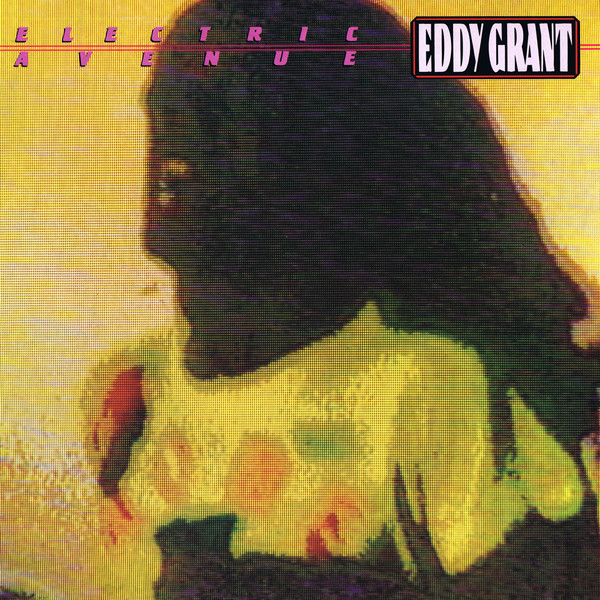
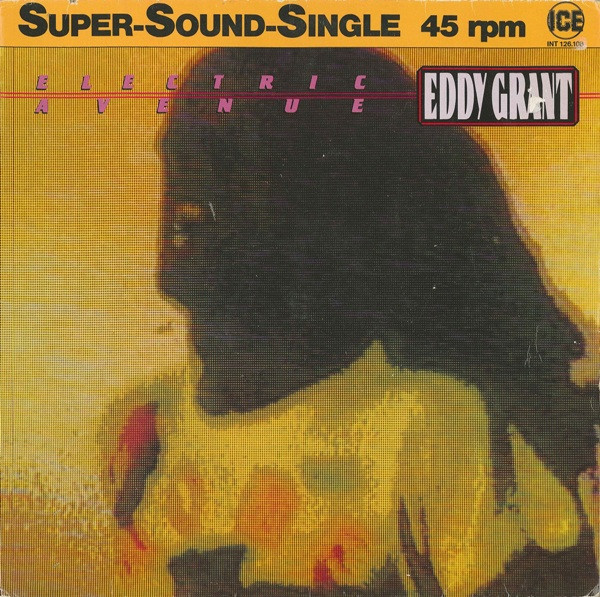
EDDY GRANT - ELECTRIC AVENUE


Llançament: 18 d’abril de 1983

Posició a les llistes: EUA: #2 | Regne Unit: #2


“Electric Avenue” és una cançó del músic guyanès-britànic Eddy Grant, llançada al seu àlbum de 1982 “Killer on the Rampage”. Escrita i produïda pel mateix Grant, es va convertir en un dels grans èxits de 1983, impulsada en gran part pel seu videoclip, filmat a Barbados. El single va arribar al número 2 al Regne Unit el gener de 1983 i, al juliol, va escalar fins al número 2 del Billboard Hot 100 als EUA.


Als primers anys de MTV, la cadena va ser criticada per la seva falta de diversitat racial, ja que poques vegades programava artistes negres. Però després de l’èxit de “Billie Jean” de Michael Jackson, MTV va començar a diversificar-se, i cançons com “Electric Avenue” es van incloure en la seva rotació. L’exposició a MTV va ser clau per a l’èxit de la cançó als Estats Units.


El títol “Electric Avenue” fa referència a un carrer de Brixton (Londres), que va ser el primer mercat il·luminat amb electricitat. Brixton, conegut per la seva important població caribenya, va ser escenari dels disturbis de 1981, causats per la desocupació, el racisme i la pobresa. Grant, que havia estat vinculat al Black Theatre de Brixton, es va veure molt afectat per aquests fets i la va escriure com una crítica a la desigualtat racial i social. La lletra reflecteix la frustració d’un home pobre que observa un món ple de riquesa i oportunitats que ell mai no podrà assolir.


“Electric Avenue” es va gravar amb una instrumentació mínima—només sintetitzador, bateria i guitarra—, tots interpretats pel mateix Grant. El seu so característic es va aconseguir mitjançant un procés de postproducció que incloïa un efecte de reverberació no lineal que imitava el so d’una motocicleta. L’enginyer de so Frank Aggarat va dubtar sobre l’ús d’aquest efecte, però Grant estava convençut que tindria impacte. Un altre element destacat de la producció va ser l’ús d’un efecte de retard a la caixa de la bateria, que, tot i no ser perfectament executat, va acabar donant personalitat i força a la cançó.


El setembre de 2020, Eddy Grant va demandar Donald Trump per l’ús no autoritzat de la cançó en un vídeo de campanya publicat a Twitter. El vídeo es va visualitzar més de 13 milions de vegades, però es va eliminar després que Grant presentés una denúncia per infracció de drets d’autor. Trump va intentar desestimar la demanda al·legant ús legítim i immunitat presidencial, però el tribunal va rebutjar aquests arguments.


El 13 de setembre de 2024, la justícia va fallar a favor de Grant, declarant que l’anunci no es considerava ús legítim i que Trump era responsable de danys i costes legals. A partir d’aquell moment, el cas es va centrar a determinar la quantitat que Grant rebria. Finalment, el 20 de novembre de 2024, ambdues parts van arribar a un acord extrajudicial, i la demanda es va retirar. Els termes de l’acord no es van fer públics.


EDDY GRANT - ELECTRIC AVENUE


Released: April 18, 1983

Charts:  US: #2    UK: #2 


“Electric Avenue” is a song by Guyanese-British musician Eddy Grant, released on his 1982 album “Killer on the Rampage”. Written and produced by Grant, it became one of the biggest hits of 1983, largely due to its music video, which was filmed in Barbados. The song first reached #2 in the UK in January 1983 before climbing to #2 on the US Billboard Hot 100 in July.


In the early years of MTV, the network faced criticism for not featuring black artists, but after the success of Michael Jackson’s Billie Jean, MTV expanded its diversity, adding songs like Electric Avenue to its rotation. The video’s exposure on MTV played a crucial role in the song’s success in the US.


The title “Electric Avenue” refers to a street in Brixton, South London, which was the first market street to be lit by electricity. Brixton, known for its large Caribbean immigrant population, was the site of the 1981 Brixton riot, sparked by tensions over unemployment, racism, and poverty. Eddy Grant, who had been involved in the Black Theatre of Brixton, was deeply affected by these events. In response, he wrote this song as a commentary on racial and social inequality. “Electric Avenue” tells the story of a poor man observing a world of wealth and success that remains out of his reach. 


Electric Avenue was crafted with minimal instrumentation—just basic synth, a drum kit, and a guitar—all played by Eddy Grant himself. The song’s distinctive sound was shaped through processing, including a unique effect that mimicked a motorbike, created using non-linear reverb. Grant’s studio engineer, Frank Aggarat, initially questioned the boldness of this effect, but Grant was convinced it would make an impact. A key production element was a delay effect on the snare drums, which wasn’t always perfectly executed but ultimately added to the song’s distinctiveness. 


In September 2020, Eddy Grant sued President Donald Trump for the unauthorized use of the song in a campaign video posted on Twitter. The video, viewed over 13 million times, was removed after Grant filed a copyright complaint. Trump attempted to dismiss the lawsuit, citing fair use and presidential immunity, but the court rejected these arguments.


On September 13, 2024, the court ruled in Grant’s favor, stating that the campaign ad did not qualify as fair use and that Trump was liable for damages and legal fees. The case then focused on determining the amount Grant would receive. On November 20, 2024, both parties reached a settlement, and the lawsuit was discontinued, though the terms of the settlement were not disclosed.




11.2.25


THE POLICE - BRING ON THE NIGHT / REGGATTA DE BLANC


Llançament: 5 d’octubre de 1979

Àlbum: Reggatta de Blanc


“Bring on the Night” és una cançó escrita pel baixista i vocalista Sting, que ocupa la quarta posició al segon àlbum d’estudi de The Police, “Reggatta de Blanc”. Considerada pel bateria Stewart Copeland com una de les millors pistes de l’àlbum, va ser llançada com a senzill als Estats Units, França i Alemanya, aconseguint classificar-se només a França, on va arribar al número 6.


La cançó expressa el desig del narrador d’escapar i transformar-se, simbolitzat pel consol de la nit. La lletra reflecteix l’anhel de deixar enrere la monotonia del dia i les càrregues del passat, abraçant la nit com una metàfora de nous inicis. Temes com la incertesa i la frustració es transmeten a través d’imatges vives, com el “signe d’interrogació” que simbolitza la imprevisibilitat de la vida i la “ceguesa”, que representa els obstacles per aconseguir claredat. La repetició de la tornada subratlla la desesperació per un canvi, mentre que el solo de guitarra intensifica l’emoció. La peça reflexa el desig universal de llibertat, renovació i l’oportunitat de créixer.


Sting va incorporar a “Bring on the Night” lletres d’una cançó anterior seva, “Carrion Prince (O Ye of Little Hope)”, incloent-hi la frase “when the evening spreads itself against the sky”, que pren inspiració del poema de T.S. Eliot The Love Song of J. Alfred Prufrock. Sting, reflexionant sobre la seva influència, va parafrasejar l’afirmació d’Eliot que els poetes madurs transformen creativament allò que prenen prestat, creant una obra nova i cohesionada.


Posteriorment, Sting va reinventar “Bring on the Night” amb la seva banda de jazz-fusió durant la gira de “The Dream of the Blue Turtles”, donant també aquest nom a un àlbum en directe.


“Reggatta de Blanc,” la peça que dóna títol al segon àlbum de The Police és una composició instrumental nascuda de les improvisacions en directe que la banda feia durant les interpretacions de “Can’t Stand Losing You”. Com que el grup tenia un repertori limitat en aquell moment, allargaven les cançons amb sessions de jam. Aquestes improvisacions es van convertir en una peça pròpia quan van gravar el segon àlbum.


“Reggatta de Blanc”, juntament amb “Deathwish”, són les dues úniques cançons de The Police acreditades als tres membres de la banda, ja que la majoria de les peces són obra exclusiva de Sting. Amb una combinació de vocalitzacions i paraules disperses de Sting, la peça captura l’essència del so reggae-rock de la banda. La seva rítmica contagiosa i l’arranjament dinàmic van fer que “Reggatta de Blanc” guanyés el Premi Grammy a la Millor Interpretació Instrumental de Rock l’any 1980.


Els tres primers àlbums de The Police—“Outlandos d’Amour”, “Reggatta de Blanc” i “Zenyatta Mondatta”—van ser titulats pel mànager de la banda, Miles Copeland, utilitzant paraules inventades. Entre ells, “Reggatta de Blanc” és únic per ser l’únic títol compartit amb una cançó. En el llenguatge inventat per Copeland, la frase es tradueix com a “Reggae Blanc,” un homenatge a l’estil reggae influït per la banda. Aquesta estratègia de denominació va canviar amb els quart i cinquè àlbums, “Ghost in the Machine” i “Synchronicity”, els títols dels quals van ser escollits per Sting.


THE POLICE - BRING ON THE NIGHT / REGGATTA DE BLANC


Released: October 5, 1979

Album: Reggatta de Blanc


“Bring on the Night” is a song written by bassist and vocalist Sting. It is the fourth track on their second studio album, “Reggatta de Blanc”. The song is considered by drummer Stewart Copeland to be one of their finest album tracks. Although released as a single in the United States, France, and Germany, the song only charted in France, where it reached #6. 


“Bring on the Night” captures the narrator’s longing for escape and transformation, symbolized by the solace of nighttime. The lyrics reflect a yearning to leave behind the monotony of daylight and the burdens of the past, embracing the evening as a metaphor for new beginnings. Themes of uncertainty and frustration are conveyed through vivid imagery, such as a “question mark” symbolizing life’s unpredictability and “blindness” representing obstacles to clarity. The repetition of the chorus emphasizes desperation for change, while the guitar solo deepens the emotional intensity. The song portrays the universal human desire for freedom, renewal, and the chance to grow.


Sting incorporated lyrics from his earlier song “Carrion Prince (O Ye of Little Hope)” into “Bring on the Night,” borrowing the line “when the evening spreads itself against the sky” from T.S. Eliot’s poem The Love Song of J. Alfred Prufrock. Reflecting on his inspiration, Sting paraphrased Eliot’s assertion that mature poets creatively transform what they borrow, crafting something distinct and cohesive.


Sting later reimagined “Bring On The Night” with his jazz fusion band for “The Dream of the Blue Turtles” tour even naming a live album after it. 


“Reggatta de Blanc,” the title track of The Police’s 1979 album, is an instrumental composition born from the band’s early live improvisations during performances of “Can’t Stand Losing You.” At the time, The Police had a limited repertoire, so they would extend the song with a jam session. This improvisation evolved into a standalone track when they recorded their second album. “Reggatta de Blanc,” along with “Deathwish,” is one of only two songs credited to all three members of The Police. Most of the band’s songs are credited solely to Sting.


Featuring a mix of vocalizations and sparse words by Sting, the song captures the essence of the band’s reggae-inspired rock sound. Its infectious rhythm and dynamic arrangement earned “Reggatta de Blanc” the Grammy Award for Best Rock Instrumental Performance in 1980.


The first three albums by The Police—“Outlandos d’Amour”, “Reggatta de Blanc”, and “Zenyatta Mondatta”—were named by the band’s manager, Miles Copeland, using invented words. Of these, “Reggatta de Blanc” is unique as the only title shared with a song. In Copeland’s fabricated language, the phrase translates to “White Reggae,” a nod to the band’s reggae-influenced style. The naming approach shifted with their fourth and fifth albums, “Ghost in the Machine” and “Synchronicity”, whose titles were chosen by Sting. 


10.2.25


DURAN DURAN - HUNGRY LIKE THE WOLF


Llançament: 4 de maig de 1982

Posicions a les llistes: EUA: #3 Regne Unit: #5


“Hungry Like the Wolf”, del segon àlbum “Rio”, es va publicar com a senzill el 1982 al Regne Unit i el 1983 als Estats Units. Escrita per la banda i produïda per Colin Thurston, es va convertir en el gran èxit que va catapultar Duran Duran als EUA. La seva popularitat es va disparar gràcies al seu vídeo musical d’aventures filmat a Sri Lanka, on Simon Le Bon protagonitza una persecució a l’estil Indiana Jones darrere d’una dona misteriosa.


La cançó té diversos elements curiosos: Cheryl, la xicota del teclista Nick Rhodes, va contribuir amb el riure del principi i els gemecs finals, simbolitzant la fam del llop saciada. També va proporcionar el riure característic de la cançó “Rio”.


La cançó pren influències sorprenents, com “If You Could Read My Mind” de Gordon Lightfoot i la faula de La Caputxeta Vermella, barrejant-les amb l’estètica i l’actitud de la new wave. La lletra presenta una persecució apassionada i primitiva de l’amor, fent servir la metàfora del llop per expressar desig, obsessió i determinació. La tornada transmet una energia irreprimible, evocant una força salvatge en la recerca de connexió.


Dirigit per Russell Mulcahy, el videoclip es va rodar a Galle, Sri Lanka, inspirant-se en Raiders of the Lost Ark i Apocalypse Now. Mentre Simon Le Bon fuig pels mercats, la resta del grup el busca en un escenari exòtic. Durant el rodatge, un error amb les metxes de Le Bon li va deixar els cabells de color taronja, fet pel qual va acabar portant el seu característic barret al vídeo.


MTV es va enamorar de l’estètica aventurera del vídeo i el va emetre intensament, ajudant a impulsar el single fins al #3 als EUA. Va ser el primer videoclip a guanyar un Grammy al Millor Vídeo Musical Curt i segueix sent una de les cançons més icòniques i reproduïdes de Duran Duran, un símbol definitiu dels anys 80.


“Hungry Like the Wolf” és una de les cançons més energètiques i rockeres dels primers Duran Duran, caracteritzada per una combinació potent de guitarra i sintetitzadors i per la tornada enganxosa de Simon Le Bon. El “do-do-do-do-do-do” repetitiu la va fer inoblidable i la va consolidar com el tema essencial del grup, sobretot als Estats Units.


DURAN DURAN - HUNGRY LIKE THE WOLF


Released: May 4, 1982 

Charts:  US: #3  UK: #5 


“Hungry Like the Wolf” from the second album “Rio”, was released as a single in 1982 in the UK and 1983 in the US. Written by the band and produced by Colin Thurston, it became their breakthrough hit in America. Its success was bolstered by an adventurous music video set in Sri Lanka, featuring Simon Le Bon in an Indiana Jones-style chase after a mysterious woman. Keyboardist Nick Rhodes’ girlfriend, Cheryl, contributed to the song providing the laugh at the beginning and the moaning at the end, symbolizing the wolf’s hunger being sated. Cheryl also delivered the laughter heard on “Rio.”


“Hungry Like the Wolf” was inspired by Gordon Lightfoot’s “If You Could Read My Mind” and the fable “Little Red Riding Hood,” blending diverse influences to shape its sound and visual style. The band’s girlfriends even contributed to their makeup, further enhancing the aesthetic that defined their place in the emerging new wave movement. Lyrically, the song portrays a relentless and passionate pursuit of love, using the metaphor of a wolf to express intense longing and determination. The chorus captures a primal desire, reflecting a drive to overcome any obstacles in the pursuit of connection.


The music video was directed by Russell Mulcahy and filmed in Sri Lanka, drawing inspiration from “Raiders of the Lost Ark” and “Apocalypse Now”. Set in Galle, it features Simon Le Bon running through markets while the rest of the band searches for him in an exotic setting. A mishap with Le Bon’s hair, which turned orange after failed highlights, led to his iconic hat in the video. MTV executives loved the adventurous aesthetic, heavily airing the video, which helped the single reach #3 in the U.S. It became the first video to win a Grammy for Best Short Form Music Video and remains one of Duran Duran’s most iconic and streamed songs, a definitive track of the 1980s.


The song stands out as one of Duran Duran’s most energetic and rocking tracks of their early days, marked by a dynamic interplay of guitar and synths and Simon Le Bon’s infectious chorus. The repetitive “do-do-do-do-do-do” hook made it unforgettable, becoming the quintessential Duran Duran song for many, especially in the US.