Total de visualitzacions de pàgina:

14.2.25


JOHN “COUGAR” MELLENCAMP - JACK & DIANE


Llançament: 24 de juliol de 1982

Posició a les llistes: EUA: #1 (4 setmanes)


“Jack & Diane” és un èxit de John Mellencamp, aleshores conegut com a John Cougar. Aquesta balada d’amor sobre una parella d’institut d’un petit poble reflexiona sobre la fugacitat de la joventut i les realitats de la classe treballadora. Inspirada en la ciutat natal de Mellencamp, Seymour (Indiana), es va convertir en el seu single més reeixit, passant quatre setmanes al número 1 del Billboard Hot 100. Mellencamp va explicar que preferia escriure sobre experiències quotidianes en lloc de grans temes polítics. Va ser llançada com el segon senzill del seu àlbum de 1982, “American Fool”.


Inicialment, “Jack & Diane” parlava d’una parella interracial, inspirada en les relacions diverses que Mellencamp havia observat durant les seves actuacions en directe. Jack era negre i Diane, blanca, però un executiu discogràfic li va suggerir que canviés la història per fer-la més accessible. Mellencamp va modificar la lletra i va convertir Jack en una estrella del futbol americà. Aquest canvi va ajudar la cançó a connectar amb un públic més ampli, especialment al Midwest dels Estats Units, on molts oients s’identificaven amb els personatges. Al llarg dels anys, molts fans han explicat a Mellencamp que “Jack & Diane” reflectia les seves pròpies vides.


El videoclip es va fer amb un pressupost mínim, ja que la discogràfica no confiava en el potencial de la cançó. El vídeo inclou fotos de l’institut i pel·lícules casolanes de Mellencamp, donant-li un to nostàlgic. Després d’acabar els vídeos de “Hurts So Good” i “Hand To Hold On To”, Mellencamp va demanar al seu equip que guardés un rodet de pel·lícula per filmar-lo cantant la cançó. El vídeo es va muntar a Los Angeles, fent servir diapositives projectades i un tècnic amb guants blancs per crear l’efecte de les palmades.


El solo de bateria es va afegir a última hora, inspirat per “In The Air Tonight” de Phil Collins. El bateria Kenny Aronoff temia ser substituït per una caixa de ritmes quan va veure un Linn LM-1 a l’estudi. Després de programar la base rítmica, li van demanar que creés un solo de bateria a l’instant. Sabent que la seva carrera estava en joc, Aronoff va improvisar el famós fragment de bateria, que va acabar sent una part essencial per convertir la cançó en un número 1.


JOHN “COUGAR” MELLENCAMP - JACK & DIANE


Released: July 24, 1982

US: #1 (4 weeks) 


“Jack & Diane” is a 1982 hit by John Mellencamp, then known as John Cougar. A love ballad about a small-town high school couple, the song reflects on the fleeting nature of youth and the realities of working-class life. Inspired by Mellencamp’s hometown of Seymour, Indiana, it became his most successful single, spending four weeks at #1 on the Billboard Hot 100. Mellencamp emphasized writing about everyday experiences rather than grand political themes. It was released as the second single from his 1982 album “American Fool”.


Originally, “Jack & Diane” was about an interracial couple, inspired by the diverse relationships Mellencamp observed during his live performances. Jack was initially Black, and Diane was white, but a record executive suggested changing the story to make it more broadly relatable. Mellencamp adjusted the lyrics, making Jack a football star instead. This revision helped the song resonate with a wider audience, particularly in the Midwest, where many listeners saw themselves in the characters. Over the years, fans have often told Mellencamp that “Jack & Diane” felt like a reflection of their own lives.


The music video was an afterthought, created on a minimal budget after Mellencamp’s label didn’t initially believe in the song. The video includes Mellencamp’s high school photos and home movies, giving it a nostalgic feel. After finishing videos for “Hurts So Good” and “Hand To Hold On To”, Mellencamp asked the production team to save a roll of film to shoot him singing the song. They edited it together in LA, using projected slides and a tape operator wearing white gloves for the clapping effect. 


The iconic drum break was a last-minute addition inspired by Phil Collins’ “In The Air Tonight”. Drummer Kenny Aronoff initially feared being replaced by a drum machine when he saw a Linn LM-1 in the studio. After programming the drum part for the track, he was unexpectedly called in and asked to create a drum solo on the spot. Aronoff, knowing his career was on the line, quickly came up with the now-famous drum break, which helped make the song a #1 hit. 


13.2.25


LAURYN HILL - DOO WOOP (THAT THING)


Llançament: 10 d’agost de 1998

Posicions a les llistes: Estats Units: #1 (2 setmanes)   Regne Unit: #3


“Doo Wop (That Thing)” és el single debut en solitari de Lauryn Hill, inclòs al seu àlbum “The Miseducation of Lauryn Hill” de 1998. Escrita i produïda íntegrament per Hill, la cançó es va llançar el 10 d’agost de 1998 a través de Ruffhouse i Columbia Records. Tot i que inicialment no estava previst un llançament comercial als Estats Units, es van distribuir edicions físiques limitades. El tema va guanyar dos premis Grammy el 1998: Millor interpretació vocal femenina de R&B i Millor cançó de R&B. L’àlbum de Hill va rebre 11 nominacions als Grammy, convertint-se en el primer àlbum de hip-hop a assolir aquesta fita, i va guanyar-ne cinc, fent d’Hill la primera artista femenina en guanyar tants premis en una sola nit.


“Doo Wop (That Thing)” va fer història debutant al número 1 del Billboard Hot 100, un fet que només s’havia aconseguit 10 vegades abans. També va ser el primer número 1 als Estats Units des de “Lost in Your Eyes” de Debbie Gibson (1989) escrit, produït i interpretat per una sola dona. Hill es va convertir en una de les poques dones que ha produït en solitari un número 1. A més, el senzill va establir rècords com el primer número 1 d’una rapera, la primera cançó de rap escrita per una dona a debutar al cim de la llista, i el primer senzill de hip-hop en solitari que debuta al número 1 (un rècord que es va mantenir fins a “Not Afraid” d’Eminem el 2010). També va ser el primer single debutant a assolir el número 1 i la tercera cançó de rap per una dona a entrar al top 10.


Hill va crear “Doo Wop (That Thing)” per desafiar la idea que les artistes femenines havien de dependre de la seva aparença física per tenir èxit. Va explicar que la seva música critica aquesta mentalitat i no pas individus específics, com Lil’ Kim. Reflexionant sobre la seva pròpia joventut, Hill va admetre que en algun moment havia buscat validació masculina, però va destacar que la maduresa porta a valorar qualitats més profundes. Per a Hill, el sexe forma part de la història, però no hauria de definir la identitat o l’art d’una dona.


La cançó s’enten com un avís sobre els perills de prioritzar el materialisme per sobre de les relacions. Hill critica tant homes com dones que posen els diners i les possessions per davant de valors com l’amor o la família. És possible que la lletra reflecteixi experiències personals d’Hill, incloent-hi la seva relació complicada amb el membre dels Fugees Wyclef Jean i el seu compromís amb Rohan Marley, fill de Bob Marley.


El videoclip, dirigit per Monty Whitebloom i Andy Delaney de Bigtv, es va filmar a Washington Heights, Nova York. Presenta un concepte de pantalla dividida amb dues Lauryn Hill: la Hill de 1967, amb roba retro que celebra el R&B i el doo-wop clàssics, i la Hill de 1998, que representa la cultura contemporània del hip-hop. El 1999, als MTV Video Music Awards, el vídeo va guanyar quatre premis: Millor vídeo femení, Millor vídeo de R&B, Millor direcció artística i Vídeo de l’any, convertint-se en el primer vídeo de hip-hop en guanyar aquest últim guardó. Hill també va ser la primera artista negra en solitari a aconseguir aquest premi.


Creat durant una pausa dels Fugees, l’àlbum “The Miseducation of Lauryn Hill” pren el títol de “The Mis-Education of the Negro” de Carter G. Woodson i de la pel·lícula “The Education of Sonny Carson”. Hill va escriure i produir la majoria de l’àlbum ella sola, explorant temes d’autoeducació en l’amor, incloent-hi relacions, conflictes, maternitat i fe. Tot i ser principalment un àlbum de neo-soul i R&B, també barreja elements de hip-hop, reggae i soul. Entre els col·laboradors convidats s’hi inclouen Carlos Santana, Mary J. Blige i D’Angelo.


LAURYN HILL - DOO WOOP (THAT THING)


Released: August 10, 1998

Charts:  US: #1 (2 weeks)  UK: #3 


“Doo Wop (That Thing)” is Lauryn Hill’s debut solo single from her 1998 album “The Miseducation of Lauryn Hill”. Written and produced by Hill, the track was released on August 10, 1998, by Ruffhouse and Columbia Records. Although initially not planned for commercial release in the US, limited physical formats were issued later. The song won two Grammy Awards in 1998: Best Female R&B Vocal Performance and Best R&B Song. Hill’s album earned 11 Grammy nominations, the first hip-hop record to achieve this milestone, and won five, making Hill the first female artist to win that many in one night.


“Doo Wop (That Thing)” made history by debuting at number one on the Billboard Hot 100, becoming the tenth song ever to do so. It was the first US chart-topper since Debbie Gibson’s 1989 “Lost in Your Eyes” to be written, produced, and performed by one woman. Lauryn Hill also became one of only a few women to solely produce a number one hit. The track marked several milestones: the first number one single by a female rapper, the first rap single by a woman to debut at number one, and the first solo hip-hop song to debut at the top of the chart (a record held until Eminem’s “Not Afraid” in 2010). It was also the first debut single to open at number one and the third rap single by a solo woman to enter the top 10.


Lauryn Hill created “Doo Wop (That Thing)” to challenge the belief that female artists needed to rely on their physical appearance to achieve success. Hill explained that her music critiques the mindset behind that approach, not specific individuals like Lil’ Kim. Reflecting on her own teenage years, she admitted to once seeking male validation for her self-worth but emphasized that maturity leads to valuing deeper qualities. Hill argued that while sex is part of the story, it shouldn’t define a woman’s identity or artistry.


“Doo Wop (That Thing)” serves as a cautionary tale about prioritizing materialism over meaningful relationships. Lauryn Hill critiques men who value frivolous, expensive things above their partners or families. The song may draw from Hill’s personal experiences, including her complicated relationship with Fugees bandmate Wyclef Jean and her engagement to Rohan Marley, son of Bob Marley.


The music video was directed by Monty Whitebloom and Andy Delaney of Bigtv and filmed in Washington Heights, New York City. It features a split-screen concept showing two Lauryn Hills performing at a block party: the 1967 Hill in retro attire, celebrating classic R&B and doo-wop, and the 1998 Hill, representing contemporary hip-hop culture. At the 1999 MTV Video Music Awards, the video won four awards: Best Female Video, Best R&B Video, Best Art Direction, and Video of the Year, becoming the first hip-hop video to win Video of the Year. Lauryn Hill also became the first solo Black artist to win this award. 


Created during the Fugees’ hiatus, the album “The Miseducation of Lauryn Hill” draws its title from “The Mis-Education of the Negro” by Carter G. Woodson and the film “The Education of Sonny Carson”. Hill wrote and produced most of the album herself. The album explores themes of self-education in love, delving into relationships, conflict, motherhood, and faith. While predominantly a neo-soul and R&B record, it blends elements of hip-hop, reggae, and soul. Guest contributors include Carlos Santana, Mary J. Blige, and D’Angelo.


12.2.25


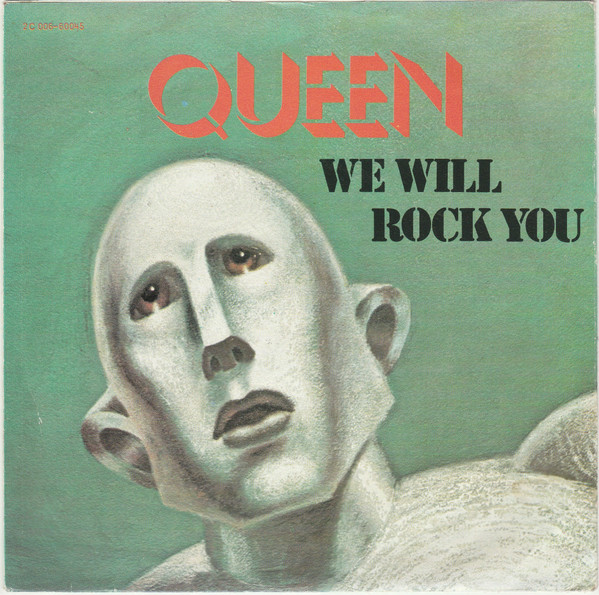
QUEEN - WE WILL ROCK YOU / WE ARE THE CHAMPIONS


Llançament: 7 d’octubre de 1977

Posició a les llistes: EUA: #4 | Regne Unit: #2


“We Are the Champions” és un himne de rock mundialment reconegut de Queen, escrit per Freddie Mercury i inclòs a l’àlbum de 1977 “News of the World”. Llançat com a doble cara A juntament amb “We Will Rock You”, escrita per Brian May, la cançó va assolir el número 2 al Regne Unit, el número 4 als EUA i va entrar al top 10 en diversos països. Totes dues cançons es van convertir en essencials als concerts de Queen, sovint interpretades seguides i reproduïdes juntes a la ràdio.


Brian May va concebre “We Will Rock You” com una cançó en la què el públic pogués participar activament. Inspirat en un concert on els aficionats van corejar “You’ll Never Walk Alone” del Liverpool Football Club, va pensar en què podrien fer junts en un espai ple de gent. Això el va portar a la senzilla però potent estructura rítmica de la cançó, basada en cops, aplaudiments i veu. La peça es va convertir en un fenomen global, estretament associat als esdeveniments esportius, on el seu ritme s’utilitza per animar els seguidors i intimidar els rivals.


La versió de “We Will Rock You” inclosa a l’àlbum s’obre amb el seu icònic ritme de stomp-stomp-clap, fent-la un veritable himne. Els efectes de trepitjades es van aconseguir amb sobreegravacions dels mateixos membres de la banda sobre una tarima de bateria als Wessex Studios, amb efectes de retard per simular una multitud. A part del solo de guitarra de May en els últims 30 segons, la cançó s’interpreta acappella.


El 1996, Linda Ronstadt va oferir una versió inesperada de “We Will Rock You”, transformant-la en una cançó de bressol al seu àlbum infantil “Dedicated to the One I Love”. En lloc dels típics copets i aplaudiments, hi va afegir el so de la seva filla xuclant un xumet i un batec de cor gravat. La inspiració li va venir mentre bressolava el seu fill petit.


Als Jocs Olímpics de Londres 2012, Brian May i Roger Taylor van interpretar “We Will Rock You” amb Jessie J durant la cerimònia de clausura. El 2019, Queen + Adam Lambert van obrir la gala dels Oscars amb “We Will Rock You” i “We Are the Champions”, celebrant l’èxit del biopic “Bohemian Rhapsody”, que va ser nominat a cinc premis, incloent-hi Millor Pel·lícula.


“We Are the Champions” va ser escrita per Freddie Mercury, pensant en el públic com a part essencial de la cançó. Segons Brian May, la peça és unificadora i positiva, mentre que Mercury va revelar que el futbol el va inspirar a fer una cançó de participació massiva, però amb un toc teatral més elaborat. La lletra reflecteix el triomf després de la lluita, amb frases com “no bed of roses”, que expressen els obstacles superats per arribar a la victòria. Amb els anys, la cançó s’ha convertit en un himne global per celebrar triomfs, sobretot en esdeveniments esportius.


El videoclip es va filmar el 6 d’octubre de 1977 al New London Theatre, amb membres del fan club de Queen fent de públic. Dirigit per Derek Burbridge, mostra Freddie Mercury amb el seu icònic vestit d’Arlequí en blanc i negre, mentre el públic agita mocadors de Queen, recreant l’energia dels seguidors del futbol anglès. Hi ha una versió alternativa que comença en blanc i negre i passa a color quan entren les guitarres i la bateria. Aquesta versió es va emetre al programa Top of the Pops 2.


Al Freddie Mercury Tribute Concert de 1992, “We Are the Champions” va tancar l’esdeveniment, amb Liza Minnelli com a veu principal i tots els artistes convidats unint-se al final. El 2001, Brian May i Roger Taylor van gravar una nova versió amb Robbie Williams. Durant la pandèmia del coronavirus el 2020, Queen + Adam Lambert van llançar una versió titulada “You Are the Champions”, dedicada als treballadors sanitaris de primera línia. Tots els beneficis es van destinar al COVID-19 Solidarity Response Fund de l’OMS.


El 2011, un estudi científic va declarar “We Are the Champions” com la cançó més enganxosa de la història del pop, basant-se en una combinació de neurociència, matemàtiques i psicologia cognitiva que determina la fórmula perfecta per a un himne inoblidable.


QUEEN - WE WILL ROCK YOU / WE ARE THE CHAMPIONS


Released: October 7, 1977

Charts:  US: #4  UK: #2 


“We Are the Champions” is a globally recognized rock anthem by Queen, written by Freddie Mercury and released from the band’s 1977 album “News of the World”. Paired as a double A-side single with “We Will Rock You”, written by Brian May, the song reached #2 in the UK, #4 in the US, and the top 10 in several other countries. Both tracks became iconic staples of Queen’s concerts, often performed back-to-back and customarily played together on radio broadcasts.


Brian May conceived “We Will Rock You” as a way to create a song that audiences could actively participate in. Inspired by a gig where the crowd chanted Liverpool Football Club’s anthem, “You’ll Never Walk Alone,” May thought about what fans could do collectively in a crowded space. He realized they could clap, stomp, and sing, leading to the simple yet powerful rhythm of the song. The track became a global phenomenon and is now synonymous with sporting events, where its rhythm is used to rally fans and intimidate opposing teams. 


The version of “We Will Rock You” featured as the opening track on the album is iconic for its stomp-stomp-clap-pause beat and powerful chorus, making it a true anthem. The stomping effects were created by the band overdubbing their own stomps and claps on a Wessex drum riser, with delay effects added to mimic a large crowd. Aside from Brian May’s guitar solo in the final 30 seconds, the song is performed in an a cappella style.


Linda Ronstadt reimagined “We Will Rock You” as a gentle lullaby for her 1996 children’s album, “Dedicated To The One I Love”. This version replaces the iconic stomp-clap beat with the sound of her daughter sucking on a pacifier and a sample of a heartbeat. Ronstadt was inspired to create this unique rendition while rocking her infant son to sleep.


At the 2012 London Olympics Closing Ceremony, Queen members Roger Taylor and Brian May performed “We Will Rock You” alongside British pop star Jessie J. In 2019, Queen, with Adam Lambert on lead vocals, opened the Oscars by performing “We Will Rock You” followed by “We Are The Champions.” This was in celebration of the Queen biopic “Bohemian Rhapsody”, which was nominated for five awards, including Best Picture.


“We Are the Champions” was written by Freddie Mercury with audience participation in mind, with “we” symbolizing everyone singing it together. Brian May described the song as unifying and positive. Mercury revealed that he was inspired by football and wanted a participation song that fans could embrace, but with more theatrical flair than a simple chant. The song’s lyrics reflect triumph through struggle, with lines like “no bed of roses,” highlighting the challenges behind victory. Over time, the song has become a global anthem for celebrating victories, particularly at sporting events.


The video for “We Are the Champions” was filmed on October 6, 1977, at the New London Theatre with Queen fan club members serving as the audience. Directed by Derek Burbridge, the video features Freddie Mercury performing in his iconic black-and-white Harlequin outfit. The crowd enthusiastically waves Queen scarves, mimicking the energy of English football fans. An alternate version, starting in monochrome before transitioning to color when the drums and guitars kick in, was broadcast on Top of the Pops 2, showcasing alternate footage from the same shoot.


At the 1992 Freddie Mercury Tribute Concert, “We Are the Champions” closed the event, with Liza Minnelli leading the vocals as all performers joined in. In 2001, Queen members Brian May and Roger Taylor teamed up with Robbie Williams to record a new version of “We Are the Champions”. During the 2020 coronavirus pandemic, May, Taylor, and Adam Lambert released an inspiring version titled “You Are the Champions” to honor frontline workers, with all proceeds benefiting the COVID-19 Solidarity Response Fund for The World Health Organization. 


In 2011, researchers declared “We Are the Champions” the catchiest song in pop music history, attributing its sing-along appeal to a unique blend of neuroscience, math, and cognitive psychology that creates the perfect formula for a memorable anthem.