Total de visualitzacions de pàgina:

6.10.23


ANITA WARD - RING MY BELL

Publicació: maig de 1979

Llistes: EUA: #1 (2 setmanes) Regne Unit: #1 (2 setmanes)


"Ring My Bell" és una cançó disco de 1979 escrita per Frederick Knight. La cançó va ser escrita originalment per a l'Stacy Lattisaw, d'onze anys, com una cançó d’adolescents sobre joves que parlen per telèfon (s’ha de dir que en aquells temps encara no existien els telèfons mòbils). Quan Lattisaw va signar amb un altre segell discogràfic, se li va demanar a la cantant i músic nord-americana Anita Ward que la cantés, i es va convertir en el seu únic èxit.


Knight no volia fer una cançó massa sexy, ja que Ward era una noia cristiana de vida pulcra. Quan els telèfons tenien aquell so tan característic, si demanàveu a algú que "Ring my bell” (truqués el meu timbre), volia dir fer una trucada. O podria referir-se també a anar al dormitori i deixar-se anar. La lletra implica això últim, amb Anita Ward dient al seu home que la nit és jove i "plena de possibilitats", i li fa saber que pot tocar el seu timbre, cosa que evidencía de quin timbre parla. Aquí teniu algunes frases de la cançó; “I’m glad you’re home/ Now did you really miss me?/ (M'alegro que siguis a casa/ realment em trobes a faltar?), “I guess you did, by the look in your eyes” (per la mirada dels teus ulls sé que sí), “Well, lay back and relax while I put away the dishes” (Bé, estira't i relaxa't mentre jo guardo els plats), “Then you and me can rock-a-bye” (Llavors tu i jo podem rockejar fins al adéu-aquesta frase te el sentit que te, sense dubte). La cançó no parla pas de trucar per telèfon. Ell és allà mateix, acaba d’arribar de la feina, ella guarda els plats. El dels plats és un detall estrany. Els plats no podrien esperar? Hi ha algú que es posi calent fent les tasques domèstiques? En fi, que la cançó és una insinuació més que evident per fer un polvo. 


Malgrat l'evidència, Ward sempre s'ha mantingut al guió negant que hi hagi cap connotació sexual a la cançó. "Hi ha gent que m'ha preguntat moltes vegades: 'Què vol dir realment aquesta cançó?'", I ella diu:" El que vulguis que signifiqui. Però era només una senzilla cançó d'amor. Totalment innocent". I jo dic: Vinga, no m’enredis, Anita, sort que eres casta i pura.


Ward no es va adonar que se li devien drets d'autor per la cançó fins que Burger King la va utilitzar per a un dels seus anuncis als anys 90. El seu marit va pensar que era estrany que no rebés cap compensació pel popular anunci i es va posar en contacte amb el gegant del menjar ràpid per veure què passava. Resulta que Knight havia venut la cançó a Malaco Records, que la va llicenciar a Burger King. Ward no va rebre ni un tros del pastís -o en aquest cas elcrispy chicken sandwich, perquè l’hanburguesera pensava que era morta. La cantant, molt viva, va treure el seu contracte i es va adonar que se li devia el 25 per cent de tots els ingressos de la cançó i finalment va començar a cobrar.


"Ring My Bell" seria l’únic èxit per a Anita Ward. Només va tornar a les llistes el mateix 1979, quan "Don't Drop My Love" va assolir el lloc #79. Ward va fer uns quants discos més que no van anar enlloc, després va patir un greu accident de cotxe mentres feia una gira i es va allunyar del negoci discogràfic. Va tornar a fer de professora, tot i que de tant en tant encara actua.


El raper Snoop Dogg va revelar a la revista Clash que aquest va ser el primer disc que va comprar.


ANITA WARD - RING MY BELL


Released: May 1979

Charted:  US: #1 (2 wks)  UK: #1 ( 2 wks) 


“Ring My Bell” is a 1979 disco song written by Frederick Knight. The song was originally written for then eleven-year-old Stacy Lattisaw, as a teenybopper song about kids talking on the telephone. When Lattisaw signed with a different label, American singer and musician Anita Ward was asked to sing it instead, and it became her only hit.


Knight didn’t want to make the song too sexy, since Ward was a clean-living Christian girl. Back when telephones had actual bells, if you asked someone to "ring my bell," it meant to give that person a call. Or it could refer to getting down and dirty in the bedroom. The lyric implies the latter, with Anita Ward telling her man the night is young and "full of possibilities," and letting him know he can ring her bell. Here are some lines from the song; “I’m glad you’re home/ Now did you really miss me?/ I guess you did, by the look in your eyes/ Well, lay back and relax while I put away the dishes/ Then you and me can rock-a-bye.” She’s not talking about calling on the phone. He’s right there, home from work, she’s putting away the dishes. (The dish thing is a weird detail. Couldn’t the dishes wait? Does anyone get more horny doing housework?


Despite the evidence, Ward has always stayed on script in denying there is any sexual connotation in the song. "I've had people ask me many times, 'What does that song really mean?'" She told the Memphis Downtowner in 2018. "And she said, 'Whatever you want it to mean.' But it was just a simple love song. Totally innocent."  And I said, Come on, no me expliques cuentos chinos, Anita; or as you say in english, don’t bullshite me! 


Ward didn't realize she was owed royalties for the song until Burger King used it for one of its commercials in the '90s. Her husband thought it was strange she wasn't getting any compensation for the popular ad and contacted the fast food giant to see what was up. It turns out, Knight had sold the song to Malaco Records, who licensed it to Burger King. Ward didn't get a piece of the pie - or in this case, the crispy chicken sandwich - because the label thought she was dead. The very-much-alive singer dug out her contract and realized she was owed 25 percent of all revenues from the song and finally started getting paid. 


“Ring My Bell” would be it for Anita Ward. She only charted once more, later in 1979, when “Don’t Drop My Love” peaked at #79. Ward made a few more records that went nowhere, then got into a bad car accident on tour and mostly walked away from the record business. She went back to teaching, though she occasionally still performs.


Rapper Snoop Dogg disclosed to Clash magazine that this was the first record that he ever bought.


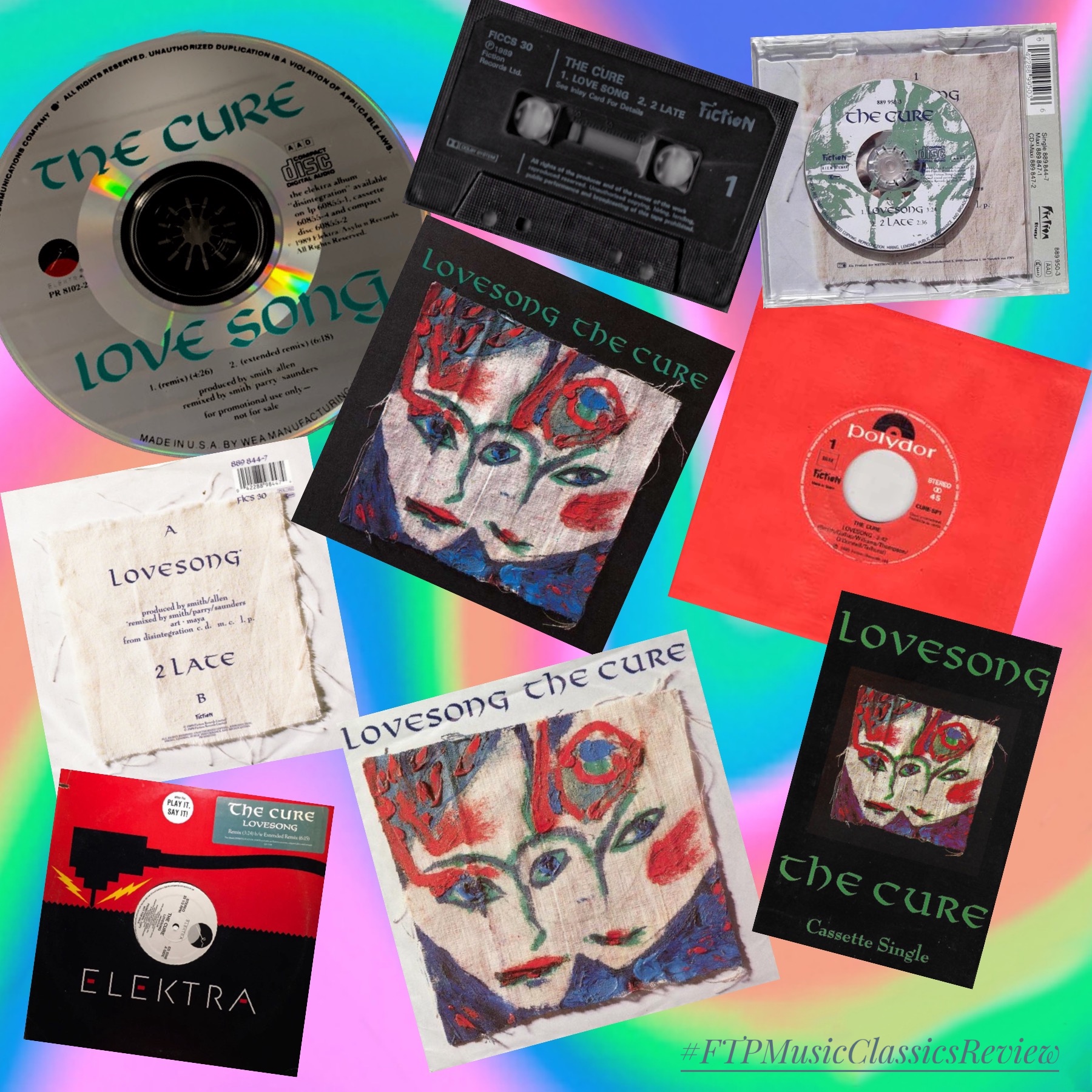
THE CURE - LOVESONG

Publicació: 21 d'agost de 1989

Llistes: EUA: #2   Regne Unit: #18


"Lovesong" (també escrita com "Love Song") és una cançó de la banda anglesa The Cure, llançada com el tercer single del seu vuitè àlbum d'estudi de 1989, "Desintegration". La cançó va tenir un èxit considerable als Estats Units, on va arribar a la posició número dos a l'octubre de 1989 i es va convertir en l'única entrada de la banda en el Top 10 al Billboard Hot 100.


El cantant Robert Smith, la va escriure com a regal de noces per a la seva promesa, Mary Poole, poc abans de casar-se el 1988. Smith s'ha mantingut ferm en la seva devoció per Mary, a qui va conèixer a l'escola quan tenia 14 anys, salvant-li la vida traient-lo de l'abisme quan va passar per alguns períodes d'autodestrucció.


La cançó és un homenatge al poder de l'amor. Parla de com estar amb algú pot provocar un sentiment de pau i pertinença. El cantant reconeix la força de l'amor on no importa la distància que hi hagi entre ells, sempre romandran connectats per aquest amor. La tornada és la garantia que sempre estimaran l'altra persona, passi el que passi. És una bella declaració de devoció que resisteix la prova del temps i la distància. La lletra es va inspirar en les constants gires que va haver de fer Smith amb The Cure. Volia que la seva dona sabes que per molt que hagués de viatjar i actuar, sempre l'estimaria. I és tan bonic.


No hi ha un acord universal pel títol de "Lovesong", ja que varia entre "Lovesong" i "Love Song" en diversos llançaments oficials de The Cure. En el disseny original de 1989 per a l'àlbum "Disintegration" utilitza "Love Song" en el llistat de cançons i "Lovesong" a la lletra; el disseny revisat per a la remasterització del 2010 de l'àlbum utilitza constantment "Lovesong". Quan es va llançar com a senzill l'any 1989, la portada mostrava el títol "Lovesong", mentre que la impressió del propi vinil deia "Love Song".


 Adele la va gravar al seu àlbum “21” del 2011. Va explicar a The Sun per què ho va fer: "El meu primer concert va ser The Cure a Finsbury Park, al qual em va portar la meva mare perquè és la seva gran fan".


La versió extesa de la cançó es va incloure a l'àlbum de remescles de les banda de 1990 "Mixed up, i és un gran mix, fins i tot millor que l'original. Amb el single es va publicar un vídeo musical amb la banda actuant dins d'una cova.


THE CURE - LOVESONG


Released: August 21, 1989

Charted:  US: #2    UK: #18 


“Lovesong” (sometimes written as “Love Song") is a song by English band the Cure, released as the third single from their 1989 eighth studio album, “Desintegration”. The song saw considerable success in the United States, where it reached the number-two position in October 1989 and became the band's only top-10 entry on the Billboard Hot 100. 


Cure lead singer Robert Smith wrote this as a wedding present for his fiancée, Mary Poole, shortly before they got married in 1988. Smith has remained steadfast in his devotion to Mary, whom he met at school when he was 14. He credits her with saving his life by pulling him out of the abyss when he went through some self-destructive periods.


The meaning of the song is a reminder of the power of love. The song is about how being with somebody can evoke a feeling of peace and belonging. The singer recognizes the strength of the love between them and no matter what distance may come between them, they will always remain connected by that love. The chorus serves as an assurance they will "always love" the other person, no matter what. It's a beautiful statement of devotion that stands against the test of time and distance. 

The lyrics were inspired by the constant touring Smith had to go through with The Cure. He wanted his wife to know that no matter how much he had to travel and perform, he would always love her. And it’s so beautiful. 


There is not a universally agreed-upon spacing method of the title of "Lovesong", as it varies between "Lovesong" and "Love Song" on many official Cure releases. The original 1989 artwork for the album “Disintegration” uses "Love Song" on the track listing and "Lovesong" on the lyrics sheet; the revised art for the 2010 remaster of the album consistently uses "Lovesong". When released as a single in 1989, the cover artwork displayed the title as "Lovesong", while the printing on the disc itself read "Love Song" all three times.


 Adele recorded this on her 2011 album 21. She explained to The Sun why she covered it: "My first gig was the Cure in Finsbury Park, which my mum took me to as she's their biggest fan."


The extended mix version of the song was included on the bands 1990 remix album “Mixed up, and it’s a great mix, even better than the original. A music video featuring the band performing inside a cave was also released with the single.


5.10.23


MEAT LOAF - PARADISE BY THE DASHBOARD LIGHT

Publicació: agost de 1978

Llistes: EUA: #39


"Paradise By The Dashboard Light" és una cançó publicada l'any 1977 a l'àlbum "Bat out of hell", amb la veu del músic nord-americà Meat Loaf fent duo al costat d'Ellen Foley, i ha estat descrita com el millor duet de rock. El cantautor Todd Rundgren va ser el productor de l'àlbum i també va fer d’acompanyament cantant en aquesta cançó. "Paradise" es va publicar com el tercer senzill de l'àlbum. Per a la ràdio, la cançó es va reduir de la seva durada original de vuit minuts i mig a cinc minuts i mig, que fins i tot per a les emissores era massa llarga.


Aquesta cançó va ser escrita originalment per Jim Steinman per a la seva adaptació rock del musical Peter Pan Neverland, abans que ell i Meat Loaf decidissin utilitzar-la per a la seva idea d'un àlbum d'òpera rock. Segons Steinman, la seva idea per a la cançó era escriure "la cançó definitiva sobre cotxe/sexe en la qual al final tot va malament".


La cançó tracta d'una parella jove que està profundament enamorada i a punt de comprometre's. La cançó segueix el seu diàleg mentre el jove demana a la seva estimada que es casi amb ell, i la jove es resisteix a respondre immediatament. La tornada és una reflexió sobre la seva relació, descrivint com se sent al estar enamorat malgrat la incertesa del futur. L'interludi instrumental al mig de la cançó inclou un comentari de beisbol, que es tracta d'una metàfora de la relació de parella, i fa referència a la possibilitat de ser expulsat o tenir èxit. La cançó acaba amb el jove demanant de nou a la noia que es casi amb ell, i la dona sense saber encara què fer, finalment decideix deixar-lo dormir.


Meat Loaf va dir a Rolling Stone que: "Paradise" es basava en les seves experiències amb una dona amb la qual havia sortit i després li va explicar la història a Steinman mentre eren asseguts davant del seu apartament i li va donar la inspiració per a la cançó.


Meat Loaf va convidar a Ellen Foley, una actriu que va conèixer mentre actuaven junts en una gira teatral, a interpretar la veu femenina. Segons Foley, va gravar la seva part en una presa després que Meat Loaf enregistrés la seva veu i li fes arribar perquè pogués cantar-la com el personatge que representava.


En aquest tema van tocar dos membres de l'E Street Band de Bruce Springsteen: Roy Bittan (teclats i piano) i Max Weinberg (bateria).


També va participar a la cançó el locutor dels New York Yankees Phil Rizzuto. És Rizzuto qui ens proporciona la secció del mig on fa de locutor com si fos un partit de beisbol, però en aquest cas anuncia que Meat Loaf i Foley intenten tenir sexe.


Meat Loaf va convèncer el seu segell discogràfic perquè li deixés fer un vídeo d'aquesta cançó, que era un simple clip d'actuació en directe, però molt efectiu. Tot i que Ellen Foley va cantar el duet al disc, va ser Karla DeVito qui va aparèixer al vídeo, ja que Foley tenia un compromís previ en el revival de Broadway de Hair. Quan MTV es va llançar l'any 1981, volien afavorir els vídeos de rock, però en tenien molt pocs disponibles, sobretot per part de grups nord-americans, així que van posar "Paradise" en rotació, la qual cosa va donar a l'àlbum "Bat out of hell" un altre revifada de vendes.


"Bat out of hell" va ser un èxit massiu, venent més de 40 milions de còpies a tot el món, convertint-lo en un dels àlbums més venuts de tots els temps, tot i arribar només al lloc número 14 de la llista d'àlbums dels Estats Units. Al Regne Unit va arribar al número 9. A diferència del disc, el single no va tenir un gran èxit comercial, però curiosament va arribar al número u als Països Baixos.


MEAT LOAF - PARADISE BY THE DASHBOARD 


Released: August 1978

Charted:  US: #39   


“Paradise By The Dashboard Light” is a song released in 1977 on the album “Bat out of hell”, with vocals by the American musician Meat Loaf alongside Ellen Foley, and has been described as the "greatest rock duet". Singer-songwriter Todd Rundgren was the album's producer and also sang background on this track. “Paradise” was put out as the third single of the album. For the radio, the song was cut from its original eight and a half minute length to five and a half minutes which even for radio was still long. 


This song was originally written by Jim Steinman for his Peter Pan rock musical Neverland before he and Meat Loaf decided to use it for their rock opera album idea. According to Steinman, his idea for the song was to write “the ultimate car/sex song in which everything goes horribly wrong in the end”.


The song is about a young couple who are deeply in love and on the verge of making a commitment to one another. The song follows their dialogue as the young man asks his beloved to marry him, and the young woman is reluctant to answer right away. The chorus is a reflection on their relationship, describing how it feels to be in love despite the uncertainty of the future. The instrumental interlude in the middle of the song features a baseball commentary, as this is a metaphor for the couple's relationship, and references the possibility of being struck out or getting a hit. The song ends with the young man asking again for her to marry him, and the woman still not knowing what to do, ultimately deciding to let him sleep on it.


Meat Loaf said to Rolling Stone: “Paradise” was based on his experiences with a woman he had dated and later told the story to Steinman while sitting in front of his apartment giving him the inspiration for the song, “We’d park somewhere and she’d, in so many words, say “stop right there.”


Meat Loaf invited Ellen Foley, an actress he met while performing together in a National Lampoon Road Tour, to perform the female vocals. According to Foley, she recorded her part in one take after Meat Loaf recorded his vocals but joined Foley in the studio so she could sing to him in character.


Two members of Bruce Springsteen's E Street Band played on this track: Roy Bittan (keyboards and piano) and Max Weinberg (drums). 


Also brought in to the song was the New York Yankees announcer Phil Rizzuto. It’s Rizzuto who provides us with the middle section where he speaks as if he is announcing a baseball game only he’s announcing Meat Loaf and Foley’s narrators attempt to have sex. 


Meat Loaf convinced his record label to let him make a video for this song, which was a simple live performance clip, but very effective. Even though Ellen Foley sang the duet on record, it was Karla DeVito who appeared in the video, as Foley had a previous commitment in the Broadway revival of Hair. When MTV launched in 1981, they favored rock videos, but had very few available, especially by American acts, so they put "Paradise" in rotation, which gave the “Bat out of hell” album another bump in sales.


“Bat out of hell”  was a massive success, selling over 40 million copies worldwide, making it one of the biggest selling albums of all time, despite peaking at just #14 on the US albums chart. In the UK peaked at #9. Unlike the album, the single did not have great commercial success, but curiously it reached number one in the Netherlands.