Total de visualitzacions de pàgina:

14.11.23


COMMODORES - THREE TIMES A LADY

Publicació: 9 de juny de 1978

Llistes: Regne Unit: #1 (5 setmanes)    EUA: #1 (2 setmanes)


"Three Times a Lady" és una cançó de 1978 del grup de soul nord-americà Commodores per al seu àlbum "Natural High", escrita pel cantant Lionel Richie i produïda per James Anthony Carmichael i els Commodores.


"Three Times a Lady" és una balada sincera que expressa un profund agraïment i amor per algú que ha tingut un impacte indeleble en la vida del cantant. La lletra presenta una reflexió sobre els records estimats i un reconeixement al paper significatiu que ha tingut aquesta persona per fer que la vida tingui sentit i valgui la pena. el cantant agraeix a la persona el temps que han compartit i els records que han creat junts. La menció de "the end of our rainbow" (el final del nostre arc de Sant Martí) suggereix el compliment del seu viatge o relació. Significa arribar a un punt en què han experimentat una àmplia gamma d'emocions, alegries i reptes.


Lionel Richie va explicar en una entrevista de 1979 a la revista Blues & Soul: "La vaig escriure l'any 1978 i va tenir un significat molt personal per a mi. Vaig assistir a l'aniversari del casament dels meus pares i el meu pare va fer un discurs sobre com estimava la meva mare, i va apreciar la manera com havia estat al seu costat durant 37 anys. Va ser bonic i vaig començar a pensar en la meva pròpia vida i com la meva dona em manté al seu costat, com fa tantes coses sense que se li demanin ni agraeixin. Així que vaig escriure "Three Times A Lady" com a dedicatòria a la meva dona i a la meva mare. Crec que la meva veïna ho va resumir quan va dir que si un home li volia comprar un regal, tot el que necessitava era comprar-li aquest disc i no dir res més".


Aquesta va ser una cançó innovadora per als Commodores i per a Lionel Richie com a compositor. Va passar a formats pop, easy listening i fins i tot country, preparant l'escenari per a més èxits de Commodores en la mateixa línia i sobretot per l'èxit massiu en solitari de Lionel Richie. En la mateixa entrevista de Blues & Soul, Richie va dir: "La cançó m'ha donat tanta satisfacció personal. Crec que el somni de tots els compositors és ser totalment acceptat. I per la quantitat de premis que ha guanyat la cançó, sembla que al món sencer li encanta. És una sensació fantàstica".


Al Regne Unit, "Three Times a Lady" va ser el major èxit per a Motown Records mantenint-se al número 1 durant cinc setmanes.


COMMODORES - THREE TIMES A LADY


Released : June 9, 1978

Charted:  UK: #1 (5 weeks)  US: #1 (2 weeks)


"Three Times a Lady" is a 1978 song by American soul group Commodores for their album “Natural High”, written by lead singer Lionel Richie. It was produced by James Anthony Carmichael and Commodores.


"Three Times a Lady" is a heartfelt ballad that expresses deep gratitude and love for someone who has had an indelible impact on the singer's life. The lyrics present a reflection on cherished memories and a recognition of the significant role this person has played in making life meaningful and worth living. the singer thanks the person for the times they have shared and the memories they have created together. The mention of "the end of our rainbow" suggests the fulfillment of their journey or relationship. It signifies reaching a point where they have experienced a wide range of emotions, joys, and challenges.


Lionel Richie explained in a 1979 interview with Blues & Soul magazine: "I wrote it back in 1978 and it was a very personal meaning to me. I attended the wedding anniversary of my parents and my father made a speech about how much he loved my mother and appreciated the way she had stood beside him for 37 years. It was beautiful and I started to think about my own life and how my wife stands by me, how she does so many things without being asked or thanked. So, I wrote 'Three Times A Lady' as a dedication to my wife and my mother. I think my next door neighbor summed it up when she said that if a man wanted to buy her a present, all he need do is buy her that record and he wouldn't have to say anything else."


This was a breakthrough song for the Commodores and for Lionel Richie as a songwriter. It crossed over to pop, easy listening and even country formats, setting the stage for further Commodores hits and Richie's massive solo success. In the same Blues & Soul interview, Richie said: "The song has given me so much personal satisfaction. I think it is every songwriter's dream to be totally accepted. And from the masses of awards that the song has won, it seems that the whole world really does love that song. It's a great feeling."


In the UK, this was the biggest UK hit for Motown Records staying at number one for five weeks. 


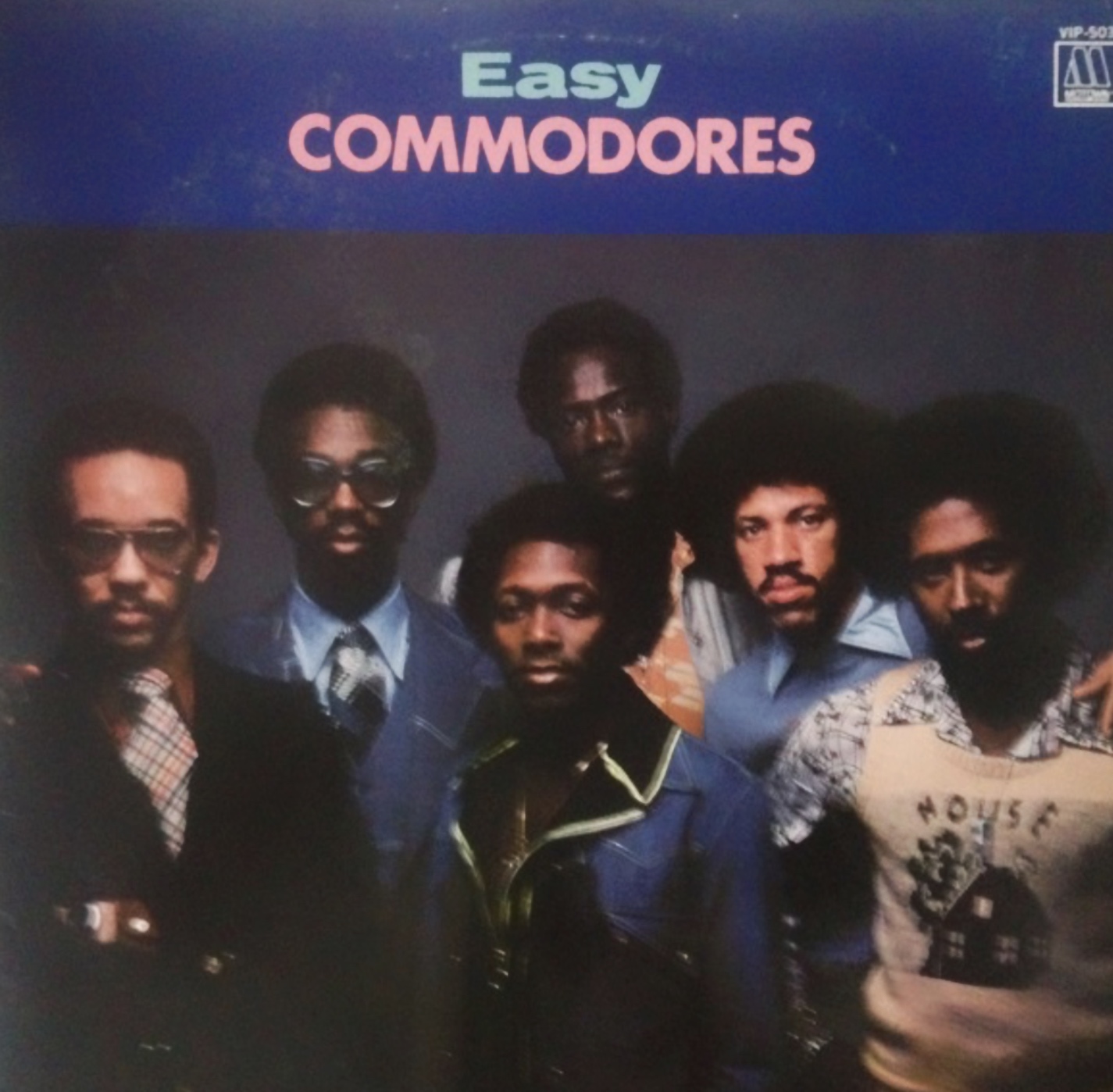
COMMODORES - EASY

Publicació: març de 1977

Llistes: Regne Unit: #9   EUA: #4


"Easy" és una cançó de la banda nord-americana Commodores del seu cinquè àlbum d'estudi, "Commodores". El cantant Lionel Richie la va escriure, i es va convertir en un èxit per a la banda, portant-los al pop i al territori adult contemporani quan abans eren pur funk. Això va portar a èxits més suaus per a la banda com "Still" i "Three Times A Lady". Quan Richie va anar en solitari el 1981, es va convertir en una superestrella del pop suau amb cançons similars.


La cançó parla del dificil que pot ser la vida, però que també és important que et prenguis un moment per a tu mateix i gaudeixis d'un diumenge al matí tranquil. La lletra parla del dolor i les dificultats de la vida, però emfatitzen que està bé fer un descans i tenir calma i estar relaxat. La cançó transmet que és important prendre temps per a tu mateix, apreciar les petites coses i viure la vida al teu ritme.


El solo de guitarra, interpretat pel fundador del grup Thomas McClary, va ser complicat. Va explicar: "Quan tens frases en una cançó que diuen: 'Per què dimonis algú em posaria cadenes? He pagat les meves obligacions per fer-ho', has de fer coincidir la intensitat d'aquestes frases amb un so i una sensació que mostra musicalment la mateixa intensitat i el mateix context del que estàs dient. A moltes balades la cançó acabaria en el solo, però volíem que aquest solo de guitarra portés l’oient a un altre nivell d'intensitat. Així que, bàsicament, aquesta era la inspiració darrere del solo".


Cash Box la va anomenar "una balada bluesy que verifica la versatilitat i la professionalitat dels Commodores com a músics complets". Record World va dir que "els Commodores es converteixen en l'últim equip de r&b en canviar de marxa i oferir una balada. I han fet una de les seves millors melodies".


COMMODORES - EASY


Released : March 1977

Charted:  UK: #9    US: #4 


"Easy" is a song by American band Commodores from their fifth studio album, “Commodores”. Lead singer Lionel Richie wrote this song, which became a crossover hit for the band, bringing them into pop and adult contemporary territory when they were previously pure funk. This led to more soft hits for the band like "Still" and "Three Times A Lady". When Richie went solo in 1981, he became a soft rock superstar with similar songs.


The song is about how life can be hard, but that's why it's important to take a moment for yourself and just enjoy a peaceful Sunday morning. The lyrics speak of the pain and hardships of life, but emphasize that it's ok to take a break and just be easy and relaxed. The song conveys that it is important to take time for yourself, appreciate the little things, and live life at your own pace.


The guitar solo, played by group founder Thomas McClary, was tricky business. He explained: "When you have lyrics in a song that say, 'Why in the world would anybody put chains on me? I've paid my dues to make it,' you have to match the intensity of those lyrics to a sound and a feel that musically portrays the same intensity and the same context of what you're saying. A lot of ballads, the song would just end, but we wanted the guitar solo to take it to another level of intensity. So that was basically the inspiration behind it."


Cash Box called it "a bluesy ballad that verifies the Commodores' versatility and professionalism as all-around musicians." Record World said that "the Commodores become the latest r&b outfit to shift gears and offer a ballad – it's one of their best melodies."


13.11.23


RICK JAMES - GIVE IT TO ME BABY / SUPER FREAK


GIVE IT TO ME BABY

Publicació: 20 de febrer de 1981

Llistes: Regne Unit: #47   EUA: #40


"Give It to Me Baby" és una cançó escrita pel cantant nord-americà Rick James. Va ser llançada com el primer single del cinquè àlbum de James, “Street Songs”, per davant de "Super Freak" que semblava que seria l’escollida. Part de les veus de suport van ser cantades pel membre de Temptations Melvin Franklin, que era l'oncle de Rick.


Rick James va tornar a casa embriagat i va demanar una mica d'aquest "funk that sweet that funky Stuff”, es a dir, volia sucar. La resposta de la seva dona va ser: "Què dius?" En James va explicar: "La vaig escriure perquè havia tornat a casa una nit i la meva dona era al llit, jo volia sexe, però estava massa borratxo. Així que em vaig asseure al piano i vaig escriure la cançó".


Igual que "Super Freak", és el so funky el que porta la melodia per damunt del missatge. James va explicar a la revista Musician: "'Give It To Me Baby' va ser una altra cançó ximple. De fet, la majoria de les meves cançons que són èxits són ximples. La major part de les meves coses serioses estan als àlbums".


El vídeo "Give It To Me Baby" és sorprenentment literal, mostrant a James fent el que explica al dormitori. No s'havia de prendre seriosament. El director Saxton va dir a Billboard: "La cançó és una cançó sexy i crec que la vam tractar d'una manera humorística". En el moment en què MTV es va llançar l'1 d'agost de 1981, la cançó ja havia passat cinc setmanes al número 1 de la llista de R&B i recentment havia arribat a la llista de pop, però no hi havia manera que es reproduís a la xarxa, com llavors passava amb la música soul. MTV era un canal de rock i gairebé res d'artistes negres. "Super Freak" tenia més possibilitats però MTV també la va rebutjar.


La cançó va entrar al Billboard Hot 100, passant dues setmanes al número 40 i cinc setmanes al número 1 de la llista R&B. Altres dos temes de "Street Songs", "Super Freak" i "Ghetto Life", van encapçalar les llistes de ball dels EUA durant tres setmanes l'estiu de 1981. La cançó va tenir encara més èxit entre el públic de R&B i als clubs de ball.


SUPER FREAK


Publicació: agost de 1981

Llistes: EUA: #16


"Super Freak" és un single de 1981 produït i interpretat pel cantant nord-americà Rick James. La cançó, coescrita per James i Alonzo Miller, es va publicar per primera vegada en el cinquè àlbum de James, "Street Songs", i es va convertir en una de les seves cançons de referència. "Super Freak" va ser el major èxit pop de Rick James, arribant al número 16 als Estats Units. Va tenir un èxit modest al Hot 100, però va tenir quatre èxits número 1 a les llistes de R&B i es va assegurar ser una llegenda com a productor prolífic i innovador del funk. Aquesta cançó comptava amb veus de suport de The Temptations, cosa que James assenyala a la cançó quan crida: "Temptations sing".


"Super Freak" tracta d'una noia que és molt aventurera sexualment, especialment amb els membres d'una banda. Un "freak" és un argot per a algú disposat a provar diversos fetitxes, per tant, un "Super Freak" provarà gairebé qualsevol cosa. Amb els anys, la paraula "freak" es va fer molt popular a les lletres de hip-hop i R&B. És una paraula versàtil que es pot utilitzar tant com a verb ("Freak Me") i com a substantiu ("The Freaks Come Out At Night"). L'ús de la paraula va assolir el seu màxim a mitjans dels anys 90 amb la frase "Get your freak on” (Agafa el teu monstre). James era famós per la seva inclinació cap al comportament estrany, que en ocasions el va posar en problemes amb la llei, com quan ell i la seva xicota van ser arrestats per segrestar una altra noia per fer sexe.


MC Hammer va samplejar la famosa línia de baix per al seu èxit "U Can't Touch This". James va presentar una demanda contra Hammer, que va acabar amb un acord extrajudicial que li va donar a James un crèdit com a compositor de la cançó. Això va donar lloc a l'únic premi Grammy de James quan "U Can't Touch This" va guanyar el 1991 a la millor cançó de R&B.


GIVE IT TO ME BABY


Released : February 20, 1981

Charted:  UK: #47   US: #40 


"Give It to Me Baby" is a song written by American singer Rick James. This was released as the first single from James' fifth album, Street Songs, beating out "Super Freak" for the honor. Part of the background vocals were sung by Temptations member Melvin Franklin, who was Rick’s uncle.


Rick James comes home intoxicated and plead for some of that "funk that sweet that funky stuff." Her reply: "Say what?!" James explained: "I wrote it because I had come home one night and my old lady was in bed and I wanted to mess around, but I was too drunk. So I sat at the piano and wrote the song." 


Like "Super Freak," it's the funky sound that carries the tune, and certainly not the message. James explained to Musician magazine, "'Give It To Me Baby' was another silly song. Matter of fact, most of my songs that are hit records are silly. Most of my serious stuff is stuck on albums."


The "Give It To Me Baby" video is surprisingly literal, showing James making his play in the bedroom. It was not to be taken seriously. Saxton told Billboard: "The song is a sexy song and I think we treated it in a humorous way." By the time MTV launched on August 1, 1981, the song had already spent five weeks at #1 on the R&B chart and had recently peaked on the Pop chart, but there was no way it was getting airplay on the network, which fancied itself a rock channel and played almost nothing from black artists. "Super Freak" had a better chance of getting some spins, but MTV rejected that one too.


The song charted on the Billboard Hot 100, spending two weeks at #40 and five weeks at #1 on the R&B chart. Two other “Street Songs” tracks, "Super Freak" and "Ghetto Life", topped the US dance charts for three weeks in the summer of 1981. The song proved even more successful with R&B and dance club audiences. 


SUPER FREAK


Released : August 1981

Charted:  US: #16 


"Super Freak" is a 1981 single produced and performed by American singer Rick James. The song, co-written by James and Alonzo Miller, was first released on James' fifth album, “Street Songs” and became one of James' signature songs. "Super Freak" was the biggest pop hit for Rick James, reaching #16 in the US. He had just modest success on the Hot 100 but had four #1 R&B hits and secured a legend as a prolific producer and innovator of funk. This track featured backup vocals by The Temptations, something James points out in the song when he screams: "Temptations sing".


This song is about a girl who is very adventurous sexually, especially with members of a band. A "freak" is slang for someone willing to try various fetishes, thus a "Super Freak" will try just about anything. Over the years, the word "freak" became very popular in hip-hop and R&B lyrics. It's a versatile word that can be used as both a verb ("Freak Me") and a noun ("The Freaks Come Out At Night"). Use of the word peaked in the mid-'90s with the phrase, "Get your freak on." James was famous for his penchant toward "freakish" behavior, which got him in trouble with the law when he and his girlfriend were arrested for kidnapping another girl for sex.


MC Hammer sampled the famous bass line for his biggest hit, "U Can't Touch This." James filed suit against Hammer, which ended in an out-of-court settlement giving James a songwriting credit on the track. This resulted in James' only Grammy Award when "U Can't Touch This" won in 1991 for Best R&B Song.