Total de visualitzacions de pàgina:

16.3.24


RAF / LAURA BRANIGAN - SELF CONTROL


Versió Raf Publicada: 1984

Versió Branigan Publicada: 19 d'abril de 1984

Llistes: Regne Unit: #5 EUA: #4 


"Self Control" va ser interpretada originalment pel cantant italià Raf el 1984. Escrita per Giancarlo Bigazzi, Steve Piccolo i Raf, i arrenjada per Celso Valli, la cançó es va convertir en un èxit a les llistes de vendes a Itàlia i Suïssa, marcant l'auge de la música Italo disco a tot Europa. La versió de Laura Branigan el mateix any va impulsar encara més la seva popularitat, arribant al número 1 en diversos països, incloent Àustria, Canadà, Alemanya i Suïssa. La versió de Branigan també va tenir un èxit significatiu als Estats Units, arribant al número 4 a les llistes de Billboard Hot 100. Ambdues versions es van convertir en icòniques durant l'estiu de 1984, amb la versió de Branigan emergint com una de les cançons més exitoses de l'any a Alemanya i Suïssa.


"Self Control" narra la història d'una dona immersa en l'emoció i l'excitació de la vida nocturna, on sovint es troba perdent el control. La lletra retracta el seu descens al món de les activitats nocturnes, on viu únicament per a la nit i es sent com a casa entre les criatures que hi troba. Malgrat que el títol suggereix la necessitat de tenir autocontrol, el cantant reconeix que algú altre té el poder de prendre-li. Bryan Buss d’AllMusic suggereix que la cançó explora el tema de buscar trobades sexuals als racons més foscos i arriscats de la ciutat.


La versió de Raf va tenir un impacte significatiu, especialment a Itàlia, on va encapçalar les llistes durant set setmanes no consecutives. La versió maxi-single que incloïa un segment de rap interpretat per dos altres vocalistes va destacadar a la pista de ball i va contribuir a la seva popularitat. Malgrat el seu èxit amb cançons i àlbums en anglès, Raf va acabar passant a publicar música principalment en la seva llengua nadiua, l'italià. Aquesta transició va resultar ser exitosa, amb molts dels seus àlbums en italià assolint l'èxit a les llistes al país, sovint arribant al top 10.


La versió de Laura Branigan va ser el single principal del seu tercer àlbum d'estudi, que compartia el mateix títol i va ser llançat el 1984. Produït per Robbie Buchanan i Jack White, amb arranjaments d’Harold Faltermeyer, la cançó va experimentar alteracions significatives respecte a la versió original de Raf. Un canvi significatiu va ser la substitució del teclat per un riff de guitarra, donant a la versió de Branigan una textura musical diferent. A més, a la versió de Branigan es va introduir una ruptura vocal acompanyada d'un element de percussió més agut i repetitiu, millorant el rang dinàmic i l'energia de la cançó.


El vídeo musical de "Self Control" es va filmar a Nova Jersey i a la ciutat de Nova York i va ser dirigit per William Friedkin, conegut pel seu treball en films icònics com "The French Connection" i "The Exorcist". La col·laboració de Laura Branigan amb Friedkin va ser una de les primeres d'un artista de l'era del vídeo treballant amb un director de cinema guanyador d'un Oscar. Branigan va descriure l'experiència com a memorable, destacant l'experiència de Friedkin i el seu esforç col·laboratiu en el projecte.


El concepte del vídeo girava entorn del tema de perdre el control a la nit. Hi apareixia un home mascarat que representava l'atractiu de la nit, al costat de ballarins amb màscares dissenyades per Willa Shalit. Branigan va recordar escenes on l'home mascarat entra a la seva habitació, simbolitzant l'atracció de la nit. Malgrat la seva visió artística, MTV va optar per no emetre el vídeo, citant la seva naturalesa percibuda com a arriscada. Tot i això, va rebre difusió a Europa i altres països, contribuint a l'èxit i la popularitat de la cançó arreu del món. La mateixa Branigan va expressar sorpresa davant la decisió de MTV, creient que el vídeo no era censurable.


RAF / LAURA BRANIGAN - SELF CONTROL


Raf version Released: 1984

Branigan version  Released: April 19, 1984

Charted:  UK: #5   US: #4 


"Self Control" was originally performed by Italian singer Raf in 1984. Written by Giancarlo Bigazzi, Steve Piccolo and Raf, and arranged by Celso Valli, the track became a chart-topper in Italy and Switzerland, marking the rise of Italo disco-style music across Europe. Laura Branigan's cover in the same year further propelled its popularity, reaching No. 1 in several countries including Austria, Canada, Germany, and Switzerland. Branigan's rendition also achieved significant success in the United States, peaking at No. 4 on the Billboard Hot 100 chart. Both versions of the song became iconic during the summer of 1984, with Branigan's cover emerging as one of the year's most successful singles in Germany and Switzerland.


"Self Control" depicts the story of a woman immersed in the thrill and excitement of nightlife, where she often finds herself losing control. The lyrics portray her descent into the world of nocturnal activities, where she lives solely for the night and feels at home among the creatures of the night. Despite the title suggesting the need for self-control, the singer acknowledges that someone else has the power to take away her self-control. Bryan Buss of AllMusic suggests that the song delves into the theme of finding sexual encounters in the darker, more risqué corners of the city.


Raf's version of "Self Control" made a significant impact, particularly in Italy where it topped the charts for seven non-consecutive weeks. The extended dance mix of the song, which featured a rap segment performed by two other rap vocalists, was a notable addition to the track and contributed to its popularity. Despite his success with English-language tracks and albums, Raf eventually shifted to releasing music primarily in his native Italian language. This transition proved to be successful, with many of his Italian-language albums achieving chart success in Italy, often reaching the top 10.


Laura Branigan's cover of "Self Control" marked the lead single from her third studio album, sharing the same title and released in 1984. Produced by Robbie Buchanan and Jack White, with arrangements by Harold Faltermeyer, the song underwent notable alterations from Raf's original version. One significant change was the replacement of the keyboard hook with a guitar riff, giving Branigan's rendition a distinct musical texture. Additionally, a vocal break was introduced in Branigan's version, accompanied by a sharper and repeated percussive element, enhancing the song's dynamic range and energy.


The music video for "Self Control" was filmed in New Jersey and New York City and directed by William Friedkin, known for his work on iconic films such as "The French Connection" and "The Exorcist". Laura Branigan's collaboration with Friedkin marked one of the early instances of an artist from the video era teaming up with an Academy Award-winning film director. Branigan described the experience as memorable, highlighting Friedkin's expertise and their collaborative effort on the project.


The video concept revolved around the theme of losing self-control to the night or to someone else. It featured a masked man representing the allure of the night, alongside dancers adorned with masks designed by Willa Shalit. Branigan recalled scenes where the masked man enters her bedroom, symbolizing the pull of the night. Despite its artistic vision, MTV opted not to air the video, citing its perceived risqué nature. However, it received airplay in Europe and other regions, contributing to the song's success and popularity worldwide. Branigan herself expressed surprise at MTV's decision, believing the video wasn't objectionable.


HAROLD MELVIN & THE BLUE NOTES / THELMA HOUSTON / THE COMMUNARDS - DON’T LEAVE ME THIS WAY


Versió Harold Melvin & the Blue Notes Publicada: novembre de 1975

Llistes: Regne Unit: #5

Versió de Thelma Houston Publicació: 2 de desembre de 1976

Llistes: EUA: #1 (1 setmana)  Regne Unit: #13

Publicació de la versió Communards: 11 d'agost de 1986

Llistes: Regne Unit: #1 (4 setmanes)  EUA: #40


"Don't Leave Me This Way" és un himne plè de ànima que ha transcendit generacions amb les seves veus poderoses i el seu ritme contagiant. Originalment escrita per Kenneth Gamble, Leon Huff i Cary Gilbert, la cançó va guanyar prominència el 1975 amb Harold Melvin & the Blue Notes amb la col·laboració de Teddy Pendergrass. Com a part del repertori de l'etiqueta Philadelphia International, la pista es va convertir en un clàssic de l'època. La versió de Thelma Houston el 1976 va consolidar encara més  la cançó, propulsant-la a alçades encara majors a les llistes, guanyant elogis multitudinaris. Els Communards van aportar una nova perspectiva amb el seu cover electritzant el 1986.


La versió original de "Don't Leave Me This Way" de Harold Melvin & the Blue Notes va descobrir la veu plena d'ànima de Teddy Pendergrass i va ser inclosa a l'àlbum del grup "Wake Up Everybody" el 1975. Tot i que inicialment no es va publicar com a single als Estats Units, la gravació dels Blue Notes es v fer popular i va arribar al número tres de la llista US Billboard Hot Disco Singles després de la versió de Thelma Houston. Al Regne Unit, la interpretació dels Blue Notes va assolir un èxit considerable, arribant al número cinc de les llistes de vendes quan es va publicar com a senzill el 1977. La seva popularitat va fer que la pista es presentés com a cançó principal en un LP de baix cost editat per l'etiqueta CBS Embassy al Regne Unit el 1978. Tot i no editar-se en single als Estats Units, "Don't Leave Me This Way" finalment es va publicar en maxi-single al país el 1979.


L'èxit de la versió de Thelma Houston va marcar un punt d'inflexió en la seva carrera després d'anys de gravar sense èxit comercial significatiu. La cançó, que finalment la va impulsar a l'estrellatge, es va incloure al seu àlbum del 1976 "Any Way You Like It". El productor Hal Davis, conegut pel seu treball en èxits disco com "Love Hangover" de Diana Ross, va jugar un paper crucial en transformar la pista en un himne ballable. Davis va emprar un enfocament similar al que va utilitzar per l'èxit de Ross, utilitzant el mateix estudi (Paramount a Los Angeles) i molts dels mateixos músics de sessió, inclosos James Gadson a la bateria i Henry Davis al baix. La guitarra, que va contribuir significativament al ritme enganxós de la cançó, va ser interpretada per Art Wright, que també va fer l'arranjament. Amb l'experiéncia de Davis i els talentosos músics involucrats, "Don't Leave Me This Way" va adquirir una nova vida com a vibrant pista disco, perfectament adequada per exhibir la poderosa veu de Thelma Houston.


La versió dels Communards el 1986 va aportar una interpretació fresca a la cançó, infonent-la amb el so energètic del synth-pop característic de l'època. Aquesta versió hi-NRG, amb la veu de Jimmy Somerville i la vocalista convidada Sarah Jane Morris, va arribar al cim de les llistes de vendes del Regne Unit, on hi va romandre durant quatre setmanes al setembre de 1986. Un dels factors clau que va contribuir a l'èxit de la cançó va ser la inclusió d'una innovadora versió llarga de 22:55 minuts. La col·laboració entre Jimmy Somerville i Sarah Jane Morris va afegir profunditat i textura a la pista, barrejant el característic falset de Somerville amb l’entrega plena de coratge de Morris.


El vídeo musical de la versió dels Communards va servir com a potent acompanyament visual dels temes d'opressió i desafiament de la cançó. Ambientat en un entorn subterrani amb una multitud fervorosa, el vídeo va retractar l'electritzant actuació de la banda enmig d'un fons de tensió i malestar. Un element impactant del vídeo va ser la inclusió d'un jove ros i estoic entre la multitud, la presència aparentment passiva del qual no aixecava cap sospita. A mesura que el vídeo avançava, es revelava que era perseguit, capturat i obligat a ser un informant per a la policia secreta. A mesura que la tensió augmentava, el jove finalment trucava per ràdio a les autoritats, traïnt els que l'envoltaven.


HAROLD MELVIN & THE BLUE NOTES / THELMA HOUSTON / THE COMMUNARDS - DON’T LEAVE ME THIS WAY


Harold Melvin & the Blue Notes version Released: November 1975

Charted:  UK: #5 

Thelma Houston version Released: December 2, 1976

Charted: US: #1 (1 week) UK: #13 

The Communards version Released: August 11, 1986

Charted: UK: #1 (4 weeks). US: #40 


"Don't Leave Me This Way" is a soulful anthem that has transcended generations with its powerful vocals and infectious rhythm. Originally penned by Kenneth Gamble, Leon Huff, and Cary Gilbert, the song first gained prominence in 1975 with Harold Melvin & the Blue Notes featuring Teddy Pendergrass. As part of the Philadelphia International label's repertoire, the track became a classic of the era. Thelma Houston's rendition in 1976 further solidified the song's status, propelling it to even greater heights on the charts and earning widespread acclaim for her soulful delivery. In 1986, the Communards brought a fresh perspective to the song with their electrifying cover.


The original version of "Don't Leave Me This Way" by Harold Melvin & the Blue Notes showcased the soulful vocals of Teddy Pendergrass and was featured on the group's 1975 album Wake Up Everybody. Although it wasn't initially released as a single in the United States, the Blue Notes' recording gained traction and reached number three on the US Billboard Hot Disco Singles chart following Thelma Houston's cover version. In the United Kingdom, the Blue Notes' rendition of the song achieved considerable success, peaking at number five on the UK Singles Chart when it was released as a single in 1977. Its popularity led to the track being featured as the title song on a budget LP issued by the CBS Embassy label in the UK in 1978. Despite its initial non-single status in the US, "Don't Leave Me This Way" eventually received a 12-inch single release in the country in 1979.


Thelma Houston's breakthrough hit, "Don't Leave Me This Way," marked a turning point in her career after years of recording without significant commercial success. The song, which finally propelled her to stardom, was featured on her 1976 album “Any Way You Like It”. Producer Hal Davis, known for his work on disco hits like Diana Ross's "Love Hangover," played a crucial role in transforming the track into a dance-floor anthem. Davis employed a similar approach to the one he used for Ross's hit, utilizing the same studio (Paramount in Los Angeles) and many of the same session musicians, including James Gadson on drums and Henry Davis on bass. The guitar work, which contributed significantly to the song's infectious groove, was handled by Art Wright, who also provided the arrangement. With Davis's expertise and the talented musicians involved, "Don't Leave Me This Way" took on a new life as a vibrant disco track, perfectly suited to showcase Thelma Houston's powerful vocals. 


The Communards' rendition in 1986 brought a fresh interpretation to the song, infusing it with the energetic synth-pop sound characteristic of the era. This hi-NRG version, featuring the powerful vocals of Jimmy Somerville and guest vocalist Sarah Jane Morris, soared to the top of the UK Singles Chart, where it remained for an impressive four weeks in September 1986. One of the key factors contributing to the song's success was the inclusion of an innovative 22:55 extended version. The collaboration between Jimmy Somerville and Sarah Jane Morris added depth and texture to the track, blending Somerville's distinctive falsetto with Morris's soulful delivery. 


The music video for the Communards' rendition served as a powerful visual accompaniment to the song's themes of oppression and defiance. Set in an underground setting with a fervent crowd, the video depicted the band's electrifying performance amidst a backdrop of tension and unease. One striking element of the video was the inclusion of a blond, stoic young man amidst the crowd, whose seemingly passive presence belied a deeper significance. As the video unfolded, it was revealed that he was being chased down and caught, forced into the role of an informant to the secret police. As the tension mounted, the young man finally radioed in to the authorities, betraying those around him.


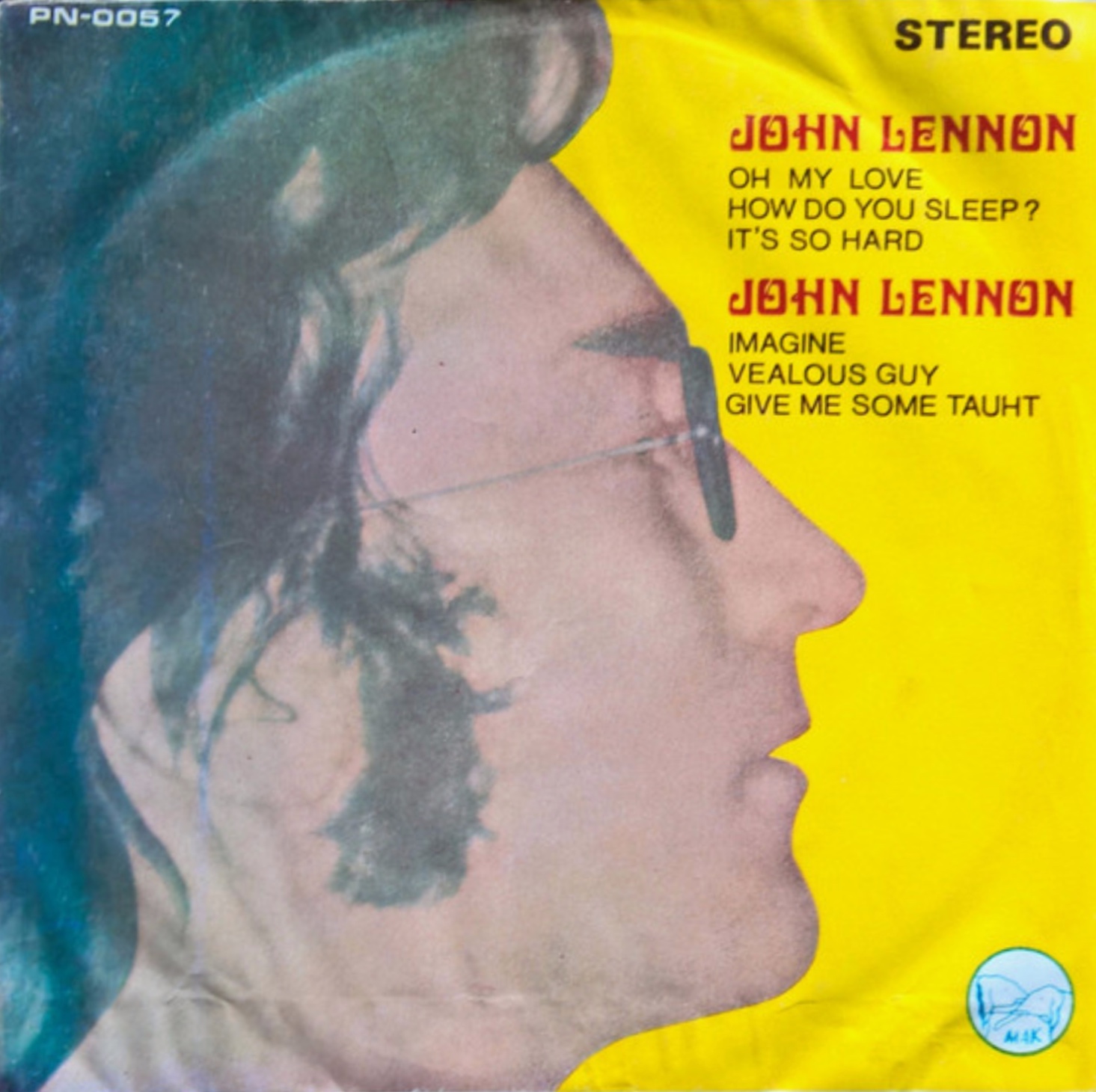
JOHN LENNON - HOW DO YOU SLEEP?


Estrena: 9 de setembre de 1971


"How Do You Sleep?" de John Lennon és una polèmica cançó del seu àlbum "Imagine" del 1971. El tema presenta atacs personals devastadors dirigits al seu antic company de banda Paul McCartney. Lennon la va escriure en resposta al que ell va veure com a insults personals de McCartney a l'àlbum "Ram", especialment a la cançó "Too Many People". La pista inclou un solo de guitarra slide interpretat per George Harrison.


"How Do You Sleep?" va ser escrita durant el moment més àlgid de la seva enemistat amb Paul McCartney després de la ruptura dels Beatles. A la cançó, cada frase serveix com un atac a diversos aspectes de la vida i la música de McCartney en aquell moment. Per exemple, la frase "Everything you done was yesterday, since you gone you're just another day" ( Tot el que vas aportar va ser “Yesterday”,  des de que vas marxar només tens “Another day”) fa referència a la cançó de Paul "Yesterday" amb els Beatles i el seu primer senzill en solitari "Another Day". Lennon expressava la així la seva creença que el millor treball de Paul estava en el passat.


El llançament de l'àlbum "Imagine" va incloure una postal amb una foto de John agafant les orelles d'un gran porc. Aquesta imatge era una picada d'ullet divertida a la portada de l'àlbum "Ram" de Paul del 1971, on es veu a Paul agafant les banyes d'una cabra. La broma va anar més enllà, ja que a la part posterior de l'àlbum "Ram" hi ha una foto de dos escarabats en un posat suggerent, que serveix com a missatge d'un Beatle a un altre.


L’escletja entre Lennon i McCartney es va obrir després de la mort del manager dels Beatles, Brian Epstein. El desacord sobre la gestió del grup, amb McCartney preferint el seu sogre i els altres preferint Allen Klein, va portar a una relació tensa. Tot i que McCartney va intentar reconectar amb Lennon al llarg dels anys, els dos van mantenir una relació distant. No va ser fins poc abans de la mort de John que van restablir una relació més amistosa, amb McCartney expressant gratitud per la connexió renovada, fins i tot rebent agraïments de Yoko Ono pel seu paper en allunyar els Beatles d'Allen Klein.


En una entrevista de desembre de 1980 amb el locutor de BBC Radio 1 Andy Peebles, just dies abans de la seva mort, Lennon va parlar de "How Do You Sleep?". Va reconèixer que va utilitzar el seu ressentiment cap a McCartney com a combustible per a la cançó, destacant-la com una forma de rivalitat fraternal des de la seva joventut. Paul va admetre posteriorment en una entrevista del 2020 que la cançó l'havia afectat, assenyalant el mal ambient generat per les suggerències d'Allen Klein durant la seva creació. Lennon va enregistrar altres frases punxants que mai van ser incloses en el tall final, com va descriure l'escriptor Felix Dennis, qui va estar present a l'estudi durant les sessions d'enregistrament.


JOHN LENNON - HOW DO YOU SLEEP?


Released: September 9, 1971


"How Do You Sleep?" by John Lennon is a song from his 1971 album “Imagine”. The track features scathing personal attacks directed at his former Beatles bandmate and songwriting partner, Paul McCartney. Lennon penned the song in response to what he saw as personal slights by McCartney on the latter's “Ram” album, particularly on the song "Too Many People".Notably, the track includes a slide guitar solo performed by George Harrison.


The song was written during the peak of his feud with Paul McCartney following the breakup of The Beatles. In the song, each line serves as an attack on various aspects of McCartney's life and music at the time. For example, the lyric "Everything you done was yesterday. Since you gone you're just another day" references Paul's song "Yesterday" with The Beatles and his initial solo single "Another Day". Lennon expressed the belief that Paul's best work was in the past.


The release of John Lennon's "Imagine" album included a postcard featuring a photo of John holding the ears of a large pig. This image was a playful jab at Paul McCartney's "Ram" album cover from 1971, where Paul is seen holding the horns of a ram. The playful banter extended further, as on the back of McCartney's "Ram" album, there's a picture of two beetles in a suggestive pose, serving as a cheeky message from one Beatle to another.


The rift between Lennon and McCartney began after the death of The Beatles' manager, Brian Epstein. The disagreement over management, with McCartney favoring his father-in-law and the others preferring Allen Klein, led to a strained relationship. Although McCartney attempted to reconnect with Lennon over the years, the two maintained a distant rapport. It wasn't until shortly before Lennon's death that they restored a more amicable relationship, with McCartney expressing gratitude for the renewed connection and even receiving thanks from Yoko Ono and others for his role in steering The Beatles away from Allen Klein.


In a December 1980 interview with BBC Radio 1 DJ Andy Peebles, just days before his death, John Lennon discussed "How Do You Sleep?" He acknowledged using his resentment towards Paul McCartney as creative fuel for the song, emphasizing it as a form of sibling rivalry from their youth. McCartney later admitted in a 2020 interview that the song had gotten under his skin, noting the hurtful atmosphere fueled by suggestions from Allen Klein during its creation. Lennon recorded some vicious lyrics that were never included in the final cut, as described by writer Felix Dennis, who was present in the studio during the recording sessions.