Total de visualitzacions de pàgina:

2.7.24


BOOKER T. & THE MG’s - GREEN ONIONS

Estrena: juliol de 1962

Llistes: EUA: #3   Regne Unit: #7


"Green Onions" és una peça instrumental enregistrada el 1962 per Booker T. & the M.G.'s. És considerada una de les cançons instrumentals de rock i soul més populars de tots els temps, destacant-se per la seva estructura de dotze compassos de blues i una línia distintiva de l'òrgan Hammond interpretada per Booker T. Jones, qui la va escriure als 17 anys. La gravació va ser en gran part improvisada a l'estudi. Inicialment llançada com la cara B de "Behave Yourself", va guanyar una enorme popularitat i va ser reeditada com a cara A. Sovint s'associa amb el "so de Memphis soul".


Tot i que "Green Onions" pot semblar simple, segons Booker T. Jones, cada interpretació requereix una atenció cuidadosa i recordar les notes. El desenvolupament de la cançó va ser accidental, originant-se durant una sessió mentre esperaven el cantant de rockabilly Billy Lee Riley. Inicialment enregistrada com una pista de blues titulada "Behave Yourself", la decisió de posar-li el nom de "Green Onions" va ser provocada per l'entusiasme de Jim Stewart per una presa particular, a la qual Booker T. va respondre amb el nom, considerant-ho la cosa més desagradable que podia pensar per a una cosa que s'havia de descartar.


La pista va guanyar ràpidament popularitat després que el guitarrista Steve Cropper la va posar a un amic, el DJ Rueben Washington, a l'emissora de ràdio WLOK de Memphis. Washington immediatament va posar la cançó al programa, interrompent una altra gravació per fer-ho. La resposta entusiasta dels oients va portar a la decisió de fer de "Green Onions" la cara A del senzill en lloc de "Behave Yourself", el que va conduir al seu èxit massiu.


El single va debutar a la llista Billboard Hot 100 la setmana que va acabar l’11 d'agost de 1962, assolint la seva posició màxima al número 3 la setmana que va acabar el 29 de setembre de 1962. També va encapçalar la llista de singles R&B, mantenint-se al número 1 durant quatre setmanes no consecutives, un èxit peculiar ja que va fluctuar al capdamunt de la llista tres vegades. "Green Onions" va trobar una nova popularitat al Regne Unit el 1979 quan va aparèixer a la pel·lícula "Quadrophenia". La inclusió de la cançó en una escena on un personatge interpretat per Sting ballava al ritme d'aquesta peça va ajudar a impulsar-la cap a l'èxit a les llistes del Regne Unit.


BOOKER T. & THE MG’s - GREEN ONIONS


Released: July 1962

Charted:  US: #3   UK: #7 


"Green Onions" is a renowned instrumental track recorded in 1962 by Booker T. & the M.G.'s. It's hailed as one of the most popular instrumental rock and soul songs of all times, characterized by a twelve-bar blues structure and a distinctive Hammond M3 organ line by Booker T. Jones, who wrote it at the age of 17. The recording was largely improvised in the studio. Initially released as the B-side of "Behave Yourself," it gained immense popularity and was reissued as the A-side. It's often associated with the "Memphis soul sound."


"Green Onions" may sound simple, but according to Booker T. Jones, every performance requires careful attention and recall of the notes. The song's development was accidental, originating during a session while waiting for the rockabilly singer Billy Lee Riley. Initially recorded as a blues track titled "Behave Yourself,", the decision to name it "Green Onions" was prompted by Jim Stewart's enthusiasm for a particular take, to which Booker T. responded with the name, considering it the nastiest thing he could think of and something discarded.


The track quickly gained popularity after guitarist Steve Cropper played it for a friend, DJ Rueben Washington, at Memphis radio station WLOK. Washington immediately put the song on air, interrupting another record to do so. The enthusiastic response from listeners prompted the decision to make "Green Onions" the A-side of the single instead of "Behave Yourself," leading to its widespread success.


The single debuted on the Billboard Hot 100 chart on the week ending August 11, 1962, reaching its peak position at No. 3 on the week ending September 29, 1962. It also topped the R&B singles chart, holding the No. 1 spot for four non-consecutive weeks, a rare achievement as it fluctuated in and out of the top spot three times. "Green Onions" found renewed popularity in the UK in 1979 when it was featured in the movie "Quadrophenia." The song's inclusion in a scene where a character portrayed by Sting danced to it helped propel it to chart success in the UK.




1.7.24


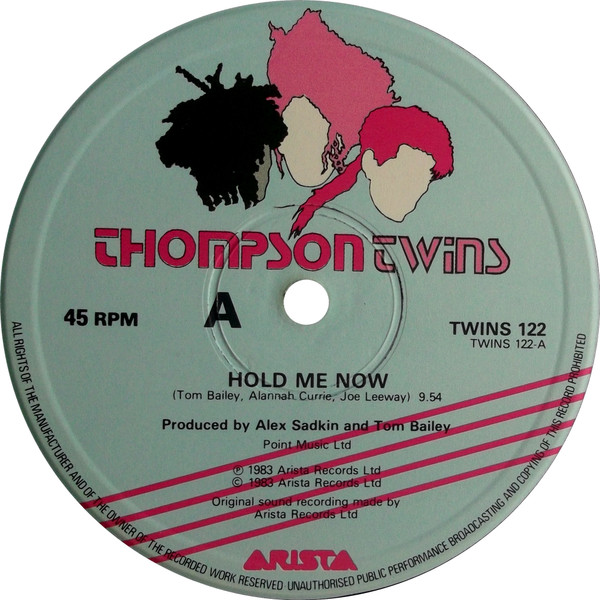
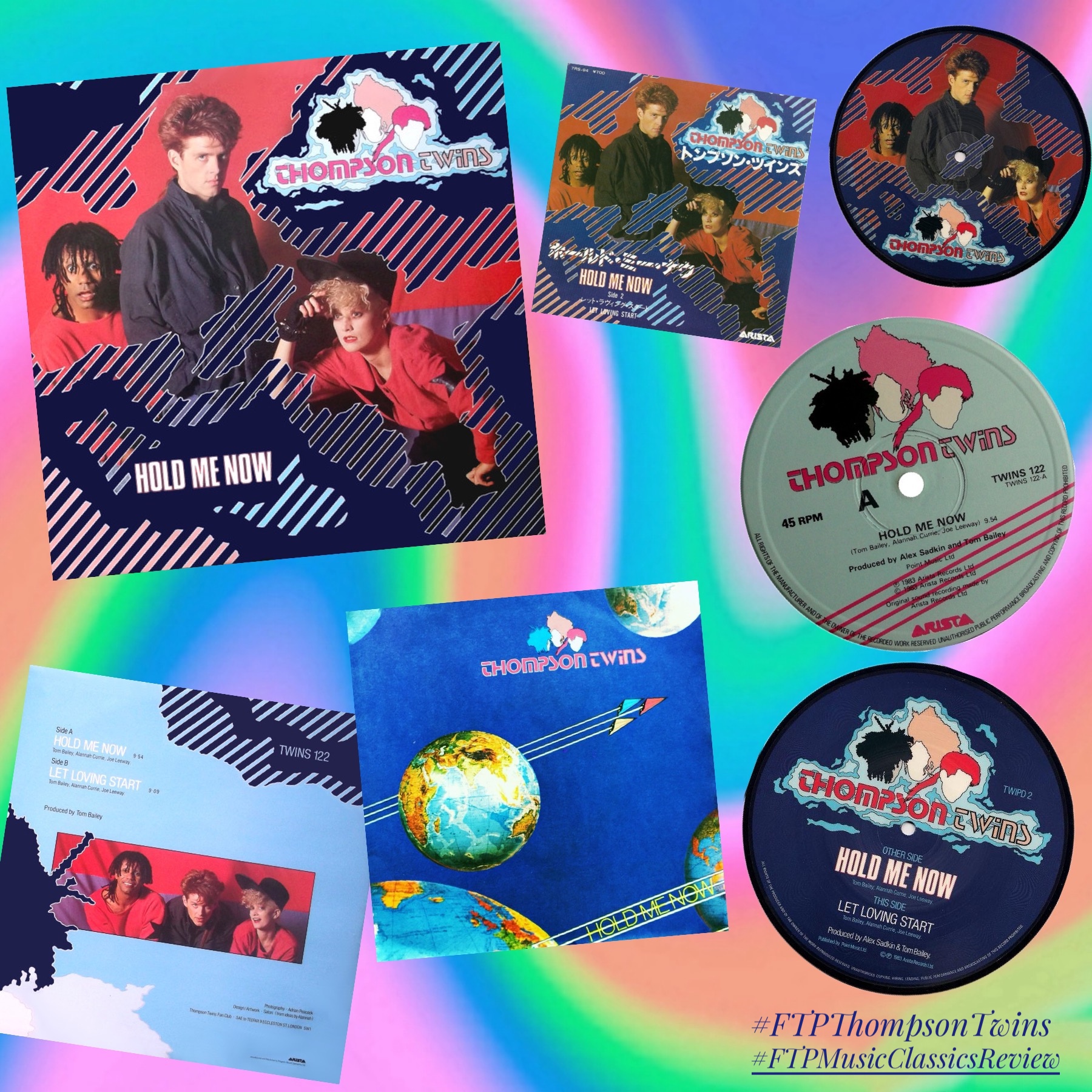
THOMPSON TWINS - HOLD ME NOW


Publicació: 11 de novembre de 1983

Llistes: EUA: #3   Regne Unit: #4


"Hold Me Now" és una cançó escrita pels membres del grup i produïda per Alex Sadkin juntament amb el vocalista principal del grup, Tom Bailey. Va ser llançada com a primer single del seu quart àlbum d'estudi, "Into the Gap".


"Hold Me Now" és una exploració sincera d'una relació que afronta reptes i una pèrdua de passió. Tom Bailey recorda temps més feliços amb Alannah Currie, comparats amb l'estat actual de la seva relació descrit com a "desfeta i desgarrada". Malgrat les seves disputes, estan determinats a revifar el seu amor i compromís. La tornada "Hold me now, warm my heart, stay with me, let lovin' start" expressa el seu desig de calor emocional i companyonia, reconeixent les seves imperfeccions i les complexitats de l'amor. Inspirada en experiències personals, la cançó reflexiona sobre la reconciliació i les emocions. A través de precs sincers, Bailey navega per les conseqüències del seu desacord, buscant perdó i una connexió renovada amb Currie.


"Hold Me Now" va significar una desviació del so electrònic típic de Thompson Twins, optant per un enfocament més plural. La cançó va incloure guitarres, xilòfons, marimbes i piano, donant-li una qualitat més càlida i emocional. Alannah Currie va descriure la cançó com a profundament emocional, i el grup va buscar capturar una calidesa que els sintetitzadors sovint no podien transmetre. Tot i que inicialment van composar la cançó utilitzant una caixa de ritmes, finalment la van interpretar amb instruments de percussió reals.


Els coneixements de Tom Bailey en música clàssica van influir en la composició de "Hold Me Now". Va destacar l'estructura musical, assenyalant que la línia de baix i la seqüència d'acords van romandre constants tant en les seccions de vers com en la tornada. Aquesta repetició va crear una sensació de continuïtat i va permetre transicions perfectes entre les dues parts de la peça. A més, Bailey va subratllar el tempo mitjà i la profunditat emocional de la cançó, que van contribuir a la seva atmosfera melòdica. Malgrat la seva lentitud, la naturalesa repetitiva de la progressió d'acords i el ritme van donar a la cançó una qualitat ballable, connectant el món de les balades emocionals amb la música de ball.


THOMPSON TWINS - HOLD ME NOW


Released: November 11, 1983

Charted:  US: #3   UK: #4 


"Hold Me Now" is a song written by the band members themselves and produced by Alex Sadkin along with the group's lead vocalist, Tom Bailey. It was released as the lead single from their fourth studio album, "Into the Gap”. 


"Hold Me Now" is a heartfelt exploration of a relationship facing challenges and a loss of passion. Tom Bailey reminisces about happier times with Alannah Currie, juxtaposed with the current state of their relationship described as "tattered and torn." Despite their struggles, they are determined to revive their love and commitment. The poignant chorus "Hold me now, warm my heart, stay with me, let lovin' start," expresses their longing for emotional warmth and companionship, acknowledging their imperfections and the complexities of love. Inspired by personal experiences, the song reflects on reconciliation and the merging of emotions and physicality. Through heartfelt pleas, Bailey navigates the aftermath of their disagreement, seeking forgiveness and a renewed connection with Currie.


"Hold Me Now" marked a departure from Thompson Twins' typical electronic sound, opting instead for a more organic approach. The song featured prominent guitar, xylophone, marimbas, and piano, lending it a warmer, more emotional quality. Alannah Currie described the song as deeply emotional, and the band aimed to capture a warmth that synthesizers often couldn't convey. While they initially composed the song using a drum machine, they ultimately performed it using real percussion instruments, contributing to its rich and textured musical landscape.


Tom Bailey's background in classical music influenced the composition of "Hold Me Now." He highlighted the song's musical structure, noting that the bass line and chord sequence remained consistent throughout both the verse and chorus sections. This repetition created a sense of continuity and allowed for seamless transitions between the two parts of the song. Additionally, Bailey emphasized the song's medium tempo and emotional depth, which contributed to its overall mood. Despite its slower pace, the repetitive nature of the chord progression and groove gave the song a danceable quality, bridging the gap between emotional balladry and dance music.


29.6.24


DAN HARTMAN - RELIGHT MY FIRE


Publicada: 1979

Llistes: Estats Units: #105 


"Relight My Fire" és una cançó disco originalment escrita i llançada pel músic nord-americà Dan Hartman com a títol del seu àlbum del 1979. La cançó va guanyar popularitat addicional a través de versions d'altres artistes, incloent-hi la banda britànica Take That, amb la col·laboració de Lulu, el 1993. La versió de Take That, llançada cinc mesos abans de la mort de Hartman, va ser un èxit rotund i va introduir la cançó a una nova generació d'oients.


Dan Hartman va tenir una carrera molt prolífica amb gairebé 250 cançons i col·laboracions amb nombrosos artistes icònics com Dusty Springfield, Little Richard, Tina Turner, Diana Ross, Loleatta Holloway i James Brown. Durant la seva carrera, va aparèixer en més de cent àlbums i va llançar vuit àlbums en solitari des del seu debut el 1976 amb "Images" fins al seu últim treball "Keep the Fire Burning" el 1994. Malgrat aquest extens repertori, Hartman és recordat principalment per la seva cançó "Relight My Fire".


Irònicament, tot i el seu estatus com a clàssic de la música disco, "Relight My Fire" no va ser un èxit comercial massiu al seu llançament el 1979. Malgrat comptar amb la veu poderosa de Loleatta Holloway i les arranjaments de Norman Harris, anteriorment membre de MFSB, la cançó no va assolir l'èxit mainstream esperat. Amb "Relight My Fire" enregistrada i remixada, el single va ser promocionat extensivament als clubs. No obstant això, el moment del seu llançament oficial no va ser el més favorable. La popularitat de la música disco estava en declivi, enfrontant-se a la reacció negativa del moviment "Disco Sucks". Moltes discogràfiques eren reticents a llançar música disco, i els àlbums dels artistes de disco tenien dificultats per vendre's. Desafortunadament per Dan Hartman, "Relight My Fire" va arribar durant aquesta baixada, fent que semblés un l'àlbum equivocat llançat en el moment equivocat. Malgrat tot, la cançó va arribar al número u de les llistes de música Dance dels Estats Units, mantenint-se al primer lloc durant sis setmanes des del 12 de desembre de 1979 fins al 16 de febrer de 1980, proporcionant una petita consolació a Hartman i a tots els implicats en la producció de la cançó.


La versió maxisingle inclou una introducció de 4 minuts i mig anomenada "Vertigo", sovint utilitzada a les discoteques per construir expectació abans que comenci la pista principal. Aquesta versió ampliada, que dura 11:22, es pot trobar a la compilació d'èxits de Hartman del 1994 titulada "Keep the Fire Burnin'".


DAN HARTMAN - RELIGHT MY FIRE


Released: 1979

Charted:  US: #105 


"Relight My Fire" is a disco song originally written and released by American musician Dan Hartman as the title track from his 1979 album. The song gained additional popularity through covers by other artists, including British boy band Take That, featuring Lulu, in 1993. Take That's version, released five months before Hartman's death, became a major hit and introduced the song to a new generation of listeners.


Dan Hartman had a remarkably prolific career spanning nearly 250 songs and collaborations with numerous iconic artists such as Dusty Springfield, Little Richard, Tina Turner, Diana Ross, Loleatta Holloway and James Brown. Throughout his career, he appeared on over a hundred albums and released eight solo albums between his debut in 1976 with "Images" and his final album "Keep the Fire Burning" in 1994. Despite this extensive body of work, Hartman is often remembered most prominently for his song "Relight My Fire".


Ironically, despite its status as a timeless disco classic, "Relight My Fire" wasn't initially a massive commercial success upon its release in 1979. Despite featuring the powerful vocals of Loleatta Holloway and arrangements by Norman Harris, formerly of MFSB, the song did not achieve the expected mainstream success. With "Relight My Fire" recorded and remixed, the single was extensively promoted in clubs. However, upon its official release, the timing proved unfavorable. Disco's popularity was on the decline, facing backlash from the "Disco Sucks" movement. Many record companies were hesitant to release disco music, and albums from disco artists were struggling to sell. Unfortunately for Dan Hartman, "Relight My Fire" arrived during this downturn, making it seem like the wrong album released at the wrong time. It did reach number one on the US Dance Charts, holding the top spot for six weeks from December 12, 1979, to February 16, 1980, providing a small measure of consolation to Hartman and everyone involved in the production of the song.


The 12" version of the song includes a 4½-minute intro called "Vertigo", often used in discos to build anticipation before the main track begins. This extended version, running 11:22, can be found on Hartman's 1994 hits compilation titled "Keep the Fire Burnin'". 


LIPPS INC. - FUNKYTOWN


Estrena: 11 de març de 1980

Llistes: EUA: #1 (4 setmanes)   Regne Unit: #2 


"Funkytown" de Lipps Inc. es va publicar al març de 1980 com a segon senzill del seu àlbum debut "Mouth to Mouth," escrita i produïda per Steven Greenberg per a Casablanca Records. La cançó va aconseguir ràpidament un èxit comercial massiu, encapçalant les llistes de molts països, incloent Austràlia, Bèlgica, Canadà, França, Israel, Nova Zelanda, Espanya, els Estats Units i Alemanya Occidental.


Steven Greenberg, el compositor i productor, va escriure "Funkytown" inspirat pel seu desig de deixar Minneapolis per una ciutat més "funky," que va batejar com a "Funkytown," referint-se específicament a Nova York. Greenberg considerava que Minneapolis era massa plana i mancava de l'energia vibrant que buscava. Com a productor de discos a temps parcial i DJ, va voler crear el seu propi èxit disco, resultant en "Funkytown," coneguda per la seva simplicitat i versos enganxosos.


Inicialment, Greenberg va escriure "Rock It" i va reclutar Cynthia Johnson per cantar-la, fet que va portar al grup a signar amb Casablanca Records. Tot i que "Rock It" va tenir un èxit moderat en clubs, arribant al número 64 del Hot 100, va ser "Funkytown" la que va catapultar Lipps Inc. a la fama internacional quan es va llançar com a single el 1980. Mentre "Funkytown" expressava el sentiment personal de Greenberg sobre l'escena funk a Minneapolis, les contribucions innovadores de Prince aviat establirien la ciutat com un dels centres d'innovació a la indústria musical.


"Funkytown" ha estat associada amb diversos vídeos musicals. Un vídeo mostra una dona afroamericana no identificada fent playback sobre la veu de Cynthia Johnson mentre balla en un pub. Una altra versió mostra a Doris D, que va actuar amb Lipps Inc. als Països Baixos i Alemanya Occidental, ballant i fent playback. Segons informació del seu lloc web, la cantant original, Cynthia Johnson afirma que mai va ser preguntada per actuar en un vídeo de "Funkytown."


"Funkytown" va tenir un impacte significatiu a diverses llistes de Billboard als Estats Units el 1980. En entrar al Billboard Hot 100 el 29 de març de 1980, la cançó va pujar ràpidament a la llista. Va aconseguir passar quatre setmanes consecutives al número u, mantenint-se en aquesta posició des del 31 de maig fins al 21 de juny de 1980. A més del seu èxit al Hot 100, la cançó va dominar la llista Disco Top 60, on va estar al capdamunt durant quatre setmanes no consecutives.


LIPPS INC. - FUNKYTOWN


Released: March 11, 1980

Charted:  US: #1 (4 weeks) UK: #2 


"Funkytown" by Lipps Inc. was released in March 1980 as the second single from their debut album "Mouth to Mouth," written and produced by Steven Greenberg for Casablanca Records. The song quickly achieved widespread commercial success, topping charts in numerous countries including Australia, Belgium, Canada, France, Israel, New Zealand, Spain, the United States, and West Germany. 


Steven Greenberg, songwriter and producer, penned "Funkytown" inspired by his desire to leave Minneapolis for a funkier city, which he dubbed "Funkytown," specifically meaning New York City. Greenberg found Minneapolis too bland and vanilla, lacking the vibrant energy he sought. As a part-time record producer and DJ, he aimed to create his own disco hit, resulting in "Funkytown," known for its simplicity and catchy hooks. 


Initially, Greenberg wrote "Rock It" and recruited Cynthia Johnson to sing it, a move that led to the group's signing with Casablanca Records. Although "Rock It" had moderate success in clubs, reaching number 64 on the Hot 100, it was "Funkytown" that catapulted Lipps Inc. to international stardom upon its release as a single in 1980. Interestingly, "Funkytown" emerged from Greenberg's desire to find a funkier city than Minneapolis, which he humorously dubbed "Funkytown." But while "Funkytown" expressed Greenberg's personal sentiment about the funk scene in Minneapolis, Prince's groundbreaking contributions would soon establish the city as a hotbed of funk and innovation in the music industry.


"Funkytown" has been associated with multiple music videos. One video features an unidentified black woman lip-syncing Cynthia Johnson's vocals while dancing in a pub setting. Another version showcases Doris D, who performed with Lipps Inc. in the Netherlands and West Germany, dancing and lip-syncing the song. Cynthia Johnson claims she was never approached to perform in a video for "Funkytown," according to information on her website.


"Funkytown" made a significant impact on various Billboard charts in the United States in 1980. Upon its entry into the Billboard Hot 100 on March 29, 1980, the song quickly climbed the charts. It achieved the remarkable feat of spending four consecutive weeks at number one, holding the top spot from May 31 to June 21, 1980. In addition to its success on the Hot 100, the song also dominated the Disco Top 60 chart, where it topped the rankings for four non-consecutive weeks.