Total de visualitzacions de pàgina:

13.7.24


HUEY LEWIS & THE NEWS - IF THIS IS IT


Estrena: 10 de juliol de 1984

Llistes: Regne Unit: #39   EUA: #6 


"If This Is It" es va llançar com a quart senzill de l'àlbum "Sports" el 1983. Va aconseguir un èxit significatiu, convertint-se en el cinquè èxit del grup dins del top 10 i el tercer èxit consecutiu en arribar al número sis de la llista Billboard Hot 100. La cançó també va arribar al número cinc de la llista Adult Contemporary i va ser el primer èxit del grup al Regne Unit, arribant al número 39 de la UK Singles Chart. Inspirada en les tradicions de R&B, la cançó mostra Huey Lewis reflexionant sobre una relació amorosa problemàtica, debatent-se amb la realitat que pot estar a punt de finalitzar, malgrat la seva capacitat per acceptar-ho.


La música va ser inicialment composada per Johnny Colla, el saxofonista del grup, qui també es va encarregar dels arranjaments. Colla va improvisar frases per a la lletra de Lewis, però res no va encaixar fins que Lewis va tenir un moment d'inspiració anant al bus de la gira. Segons Lewis, va tenir una revelació mentre estava estirat al seu llit. La complexa interacció d’acords majors i menors a la música li va suggerir un tema de confusió o incertesa. Això el va portar a la frase "If This Is It", que captura l'essència del tumult emocional i la complexitat trasmes a la cançó.


El vídeo es va rodar a Santa Cruz, Califòrnia, al juny de 1984. Dirigit per Edd Griles, conegut pel seu treball en altres vídeos de Huey Lewis and the News, mostra Huey Lewis intentant reconciliar-se amb la seva ex-nòvia, interpretada per Janet Cross. Lewis veu Janet amb altres homes en un parc d'atraccions de la platja i té flashbacks del seu romàntic passat. Malgrat els seus esforços, no aconsegueix recuperar-la i acaba assegut sol a la platja. Finalment, l'amiga de l'ex, interpretada per Sandra Wilder, s'acosta a Lewis amb simpatia, i caminen junts cap al passeig marítim. El vídeo inclou elements còmics, com una família que és atacada per un tauró sota la sorra. El grup apareix en diverses escenes, incloent una on canten mentre estan enterrats a la sorra amb només els seus caps visibles.


HUEY LEWIS & THE NEWS - IF THIS IS IT


Released: July 10, 1984

Charted:  UK: #39   US: #6 


"If This Is It" was released as the fourth single from the album “Sports” in 1983. It achieved significant success, becoming their fifth top-ten hit and third consecutive number-six hit on the Billboard Hot 100. The song also reached number five on the Adult Contemporary chart and marked their first UK hit, reaching number 39 on the UK Singles Chart. Inspired by R&B traditions, the song portrays Huey Lewis reflecting on a troubled love affair, grappling with the realization that it may be coming to an end, despite his reluctance to accept it.


The music was initially composed by the band’s saxophone player Johnny Colla, who also handled many of their arrangements. Colla scatted placeholder words for Lewis' lyrics, but nothing clicked until Lewis had a breakthrough moment on the tour bus. According to Lewis he had an epiphany while lying in his bunk. The complex interplay of major and minor chords in the music suggested to him a theme of confusion or uncertainty. This led him to the phrase "If This Is It," which captured the essence of the song's emotional turmoil and complexity.


The music video was filmed in Santa Cruz, California, in June 1984. Directed by Edd Griles, known for his work on other Huey Lewis and the News videos, it features Huey Lewis attempting to reconcile with his ex-girlfriend, played by I Janet Cross. Lewis sees her with other men at a beach amusement park and has flashbacks of their past romance. In spite of his efforts, he fails to win her back and ends up sitting alone on the beach. Eventually, the ex's friend, played by Sandra Wilder, approaches Lewis sympathetically, and they walk away together toward the boardwalk. The video includes comedic elements, such as a family being attacked by a shark underneath the sand. The band appears throughout, including a scene where they sing while buried in sand with only their heads visible.


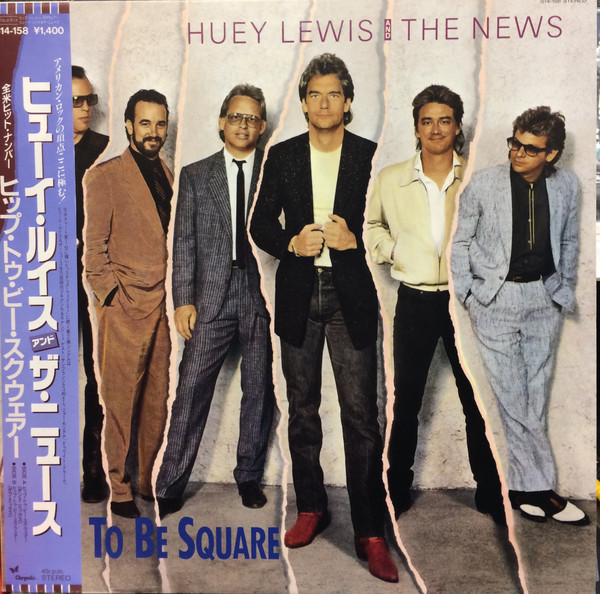
HUEY LEWIS & THE NEWS - HIP TO BE SQUARE


Estrena: 6 d'octubre de 1986

Llistes: Regne Unit: #41   EUA: #3


"Hip to Be Square" és una cançó escrita per Bill Gibson, Sean Hopper i Huey Lewis. Llançada el 1986 com a segon senzill del seu àlbum "Fore!", la cançó es va convertir en un èxit, arribant al número tres de la llista Billboard Hot 100. Es destaca per les veus de suport dels jugadors dels San Francisco 49ers: Joe Montana, Ronnie Lott, Dwight Clark i Riki Ellison.


"Hip to Be Square" aborda de manera humorística la imatge pulcra de la banda enmig del seu creixent èxit. Contràriament a l'estereotip del rockero rebel, els membres de la banda, que tenien uns 30 anys en aquell moment, es centraven més en les seves carreres i el seu benestar personal que no pas en abraçar els tòpics típics de la fama com el comportament desenfrenat. Aquest enfocament, però, va portar a ser percebuts com a ídols conservadors, especialment per les seves interpretacions de "The Star Spangled Banner" en esdeveniments d'alt perfil. Malgrat la seva imatge, Huey Lewis, influït per la seva educació i experiències, no s'ajustava al model conservador. Lewis s'identificava més amb un estil de vida bohemi que amb ser un yuppie convencional, desafi­ant la percepció que era simplement el que anomenen el noi del costat.


El terme "square" com a argot per a algú que no està en sintonia amb les tendències o modes actuals té origen en l'argot afroamericà dels anys 1940. Segons el Brewer's Dictionary of Modern Phrase and Fable, l'origen exacte roman incert, però hi ha diverses teories. Una explicació possible és que prové d'un gest utilitzat pels músics de jazz i directors per marcar un ritme regular, on la mà descriu una forma quadrada a l'aire. Aquest gest simbolitza agafar-se a un ritme estrictament convencional, en contrast amb l'estil improvisacional i fluït sovint associat amb el jazz i la cultura contemporània. Per tant, ser "square" va arribar a denotar algú conservador, convencional o desconnectat de les tendències dinàmiques i evolutives del temps.


El vídeo dirigit per Kevin Godley i Lol Creme, coneguts pel seu treball innovador en la dècada de 1980, va utilitzar una càmera mèdica per aconseguir una perspectiva visual única. Aquesta càmera, normalment utilitzada pels metges per examinar l'interior del cos humà, va capturar la banda interpretant la cançó des de prop. Després, els directors van millorar les imatges en postproducció, cosa que semblar sorprenentment fàcil per a la banda. El vídeo va incloure àngles poc convencionals, incloent perspectives des de les baquetes, que eren noves per a MTV en aquell moment. El seu enfocament avantguardista va valdre una nominació a Millor Vídeo Experimental als Premis MTV Video Music Awards de 1987.


HUEY LEWIS & THE NEWS - HIP TO BE SQUARE


Released: October 6, 1986

Charted:  UK: #41   US: #3 


"Hip to Be Square" is a track written by Bill Gibson, Sean Hopper, and Huey Lewis. Released in 1986 as the second single from their album “Fore!”, the song became a hit, reaching number three on the Billboard Hot 100 chart. Notably, it features backup vocals from San Francisco 49ers players Joe Montana, Ronnie Lott, Dwight Clark, and Riki Ellison.


"Hip to Be Square" humorously addresses the band's clean-cut image amidst the backdrop of their growing success. Contrary to the rebellious rock star stereotype, the band members, in their mid-30s at the time, focused more on their careers and personal well-being rather than embracing the typical trappings of fame like wild behavior. This approach, however, led to them being perceived as conservative icons, exacerbated by their performances of "The Star Spangled Banner" at high-profile events. Despite their image, Huey Lewis, shaped by his upbringing and experiences, didn't fit the conservative mold. Lewis identified more with a beatnik lifestyle than with being a conventional yuppie, challenging the perception that he was just the boy next door.


The term "square" as a slang for someone who is not in tune with current trends or fashions has origins in African American slang from the 1940s. According to Brewer's Dictionary of Modern Phrase and Fable, its exact origin remains uncertain, but there are several theories. One possible explanation is that it stems from a gesture used by jazz musicians and conductors to beat out a regular rhythm, where the hand describes a square shape in the air. This gesture symbolizes adherence to a strict, conventional rhythm, contrasting with the improvisational and fluid style often associated with jazz and contemporary culture. Thus, being "square" came to denote someone who was conservative, conventional, or out of touch with the dynamic and evolving trends of the time.


The music video directed by Kevin Godley and Lol Creme, renowned for their innovative work in the 1980s, utilized a medical camera to achieve a unique visual perspective. This camera, typically used by doctors to examine the inside of the human body, captured the band performing the song from close proximity. The directors then enhanced the footage in post-production, which the band found remarkably easy. The video featured unconventional angles, including perspectives from the drumsticks, which were novel for MTV at the time. Its avant-garde approach earned it a nomination for Best Experimental Video at the 1987 Video Music Awards.


12.7.24


HUEY LEWIS & THE NEWS - HEART AND SOUL


Estrena: 30 d'agost de 1983

Llistes: Regne Unit: #61 EUA: #8


"Heart and Soul" és una cançó originalment escrita per Mike Chapman i Nicky Chinn, que va guanyar fama a través de Huey Lewis and the News. Inicialment enregistrada per Exile el 1981, Huey Lewis and the News van llançar la seva versió com a primer senzill del seu àlbum "Sports" el 1983. La cançó va arribar al número 8 a la llista Billboard Hot 100 als Estats Units al novembre d'aquell any i va assolir el primer lloc a la llista Billboard Top Rock Tracks. També va ser nominada als Premis Grammy com a Millor Interpretació Vocal de Rock per un Grup als 26ens Premis Grammy el 1984.


"Heart and Soul" va sorgir d'una maqueta produïda per Mike Chapman per a Exile, que inicialment no va aconseguir éxit en publicar-se. La cançó va ser llavors presentada a Huey Lewis & the News sense revelar-los el seu llançament previ per part d’Exile. Huey Lewis va descobrir el seu orígen després d’haver quedar impressionat pel que va pensar que era una maqueta nova. L'error del publicista va continuar quan Lewis va saber que els BusBoys també havien enregistrar la cançó. Malgrat la confusió, Huey Lewis va decidir seguir endavant amb la seva versió, adaptant la lletra per encaixar amb l'estil de la banda.


El videoclip dirigit per David Rathod mostra a Huey Lewis buscant i finalment marxant amb una dona d'una discoteca, intercalat amb imatges de concert de Lewis. Parts del vídeo es van rodar a Potrero Hill, un barri de San Francisco, que Lewis va apreciar perquè conservava l’autèntica estètica de la ciutat. En el vídeo, Lewis entra a una festa on se sent fora de lloc amb el seu vestit i corbata, però crida l'atenció d'una dona, interpretada per Signy Coleman. Finalment troben una porta per on van fora, simbolitzant la seva escapada junts.


Coleman, una nativa de San Francisco que havia vist anteriorment Lewis actuar amb la seva banda Clover, volia fer una audició per al paper vestida com una rockera punk, però va optar per una minifalda i talons, mostrant també la seva formació en dansa, la qual cosa li va ajudar a guanyar el paper. Coleman va aparèixer més tard al vídeo de "I Want A New Drug" de la banda, interpretant l'objecte de desig de Lewis


HUEY LEWIS & THE NEWS - HEART AND SOUL


Released: August 30, 1983

Charted:  UK: #61   US: #8 


"Heart and Soul" is a song originally written by Mike Chapman and Nicky Chinn, which gained fame through Huey Lewis and the News. Initially recorded by Exile in 1981, Huey Lewis and the News released their rendition as the lead single from their album "Sports" in 1983. The song reached number 8 on the U.S. Billboard Hot 100 in November of that year and secured the number one spot on the Billboard Top Rock Tracks chart. It was also nominated for a Grammy Award for Best Rock Vocal, Group at the 26th Annual Grammy Awards in 1984.


"Heart and Soul" originally gained attention through a demo produced by Mike Chapman for Exile, but it didn't initially catch on. The song was then pitched to Huey Lewis & the News without disclosing its prior release. Huey Lewis discovered its origins after being impressed by what he thought was a new demo. The publisher's mishap continued when the BusBoys also recorded the song. Even with the confusion, Huey Lewis decided to move forward with their rendition, flipping the lyrics to fit the band's style.


The music video directed by David Rathod, features Huey Lewis searching for and eventually leaving with a woman from a dance club, interspersed with concert footage of Lewis. Parts of the video were shot in Potrero Hill, a neighborhood in San Francisco, which Lewis appreciated for its authentic San Francisco look. In the video, Lewis enters a party where he feels out of place in his suit and tie, but he catches the eye of a woman, played by Signy Coleman. They eventually find a door that leads them out, symbolizing their escape together.


Coleman, a San Francisco native who had previously seen Lewis perform with his band Clover, auditioned for the role dressed as a punk rocker, but opted for a miniskirt and heels, showcasing her dance training, which helped her secure the role. Coleman later appeared in the band's "I Want A New Drug" video as well, playing the object of desire.


11.7.24


HUEY LEWIS & THE NEWS - I WANT A NEW DRUG


Estrenada: 3 de gener de 1984

Llistes: EUA: #6


"I Want a New Drug" és una cançó de l'àlbum "Sports", publicada el 1983. Va ser el segon senzill de l'àlbum, després de l'èxit de "Heart and Soul", i es va convertir en una de les cançons de referència de la banda. La cançó va arribar al número sis a la llista Billboard Hot 100 i també va encapçalar la llista Dance Club Play.


Huey Lewis ha mencionat que la paraula "drug" a la cançó és metafòrica, referint-se a la sensació que es té en estar amb algú que es desitja, especialment dones. La lletra suggereix que, a diferència dels veritables medicaments, aquest "drug" metafòric no té efectes secundaris negatius com ara la boca seca, els ulls vermells o fer cara de pocs amics.


"I Want a New Drug" existeix en tres versions diferents. La versió de l'àlbum presenta dos solos llargs de guitarra, un al mig i un altre com a final que es va apagant. L'edició del senzill omet el primer solo (encara que es troba parcialment en l’àlbum de grans èxits) i acaba amb la banda sostenint un acord que es va esvaint. Aquesta versió correspon al vídeo musical. A més, hi ha un mix especial dance que redueix les parts instrumentals, incorpora un so més electrònic i allarga la durada de la cançó a 5 minuts i 32 segons.


El vídeo musical reflecteix la narrativa de la cançó, mostrant Huey Lewis despertant tard, adonant-se que té un concert aquella nit, i apressant-se a través de San Francisco en diversos mitjans de transport com el seu descapotable groc, el transbordador de San Francisco i un helicòpter llogat per arribar al concert a temps. Durant el trajecte, veu una dona dues vegades i la troba més tard a la primera fila del concert. La dona és l'actriu Signy Coleman, que també va aparèixer al vídeo musical de "Heart and Soul". Segons Lewis, la banda va optar per aquest concepte de vídeo musical per evitar una interpretació literal de la lletra de la cançó, i per destacar que "I Want a New Drug" és una cançó d'amor, no sobre drogues.


El 1984, Huey Lewis va demandar Ray Parker Jr. i Columbia Pictures per infracció de drets d'autor, argumentant que Parker havia plagiat la melodia de la seva cançó "I Want a New Drug" per a la cançó principal de la pel·lícula Ghostbusters. La demanda es va resoldre fora dels tribunals, amb els termes de la resolució, inclosa la compensació de Columbia a Lewis, inicialment mantinguts com a confidencials. El 2001, Lewis va revelar els detalls de la resolució en el programa VH1 Behind the Music. Posteriorment, Ray Parker Jr. va demandar Lewis per incompliment de l'acord de confidencialitat de la seva causa.


HUEY LEWIS & THE NEWS - I WANT A NEW DRUG


Released: January 3, 1984

Charted:  US: #6 


"I Want a New Drug" is a song from the album "Sports," released in 1983. It served as the album's second single, following the success of "Heart and Soul”, becoming one of the band's signature tracks. The song peaked at number six on the U.S. Billboard Hot 100 and also topped the Dance Club Play chart. 


Huey Lewis has mentioned that the word "drug" in the song is metaphorical, referring to the feeling one gets from being with someone they desire, particularly women. The lyrics suggest that unlike actual drugs, this metaphorical "drug" does not have negative side effects like dry mouth, red eyes, or making one's face break out.


"I Want a New Drug" exists in three distinct versions. The album version features two lengthy guitar solos, one in the middle and another as a fade-out. The single edit omits the first solo (although it's partially included in their greatest hits album) and ends with the band sustaining a chord that naturally fades out. This version corresponds to the music video. Additionally, a special dance mix reduces the instrumental parts, incorporates a more electronic sound, and extends the song's duration to 5 minutes and 32 seconds.


The music video mirrors the song's narrative, depicting Huey Lewis waking up late, realizing he has a concert that night, and rushing across San Francisco in various modes of transportation including his yellow convertible, the San Francisco ferry, and a chartered helicopter to make it to the concert on time. Along the way, he spots a woman twice and later finds her in the front row at the concert. The woman is actress Signy Coleman, whose mother was a friend of Lewis's mother and who also appeared in the music video for "Heart and Soul". According to Lewis, the band opted for this music video concept to avoid a literal interpretation of the song's lyrics, emphasizing that "I Want a New Drug" is a love song, not about drugs.


In 1984, Huey Lewis sued Ray Parker Jr. and Columbia Pictures for copyright infringement, alleging that Parker had plagiarized the melody of his song "I Want a New Drug" for the theme song of the film Ghostbusters. The lawsuit was settled out of court, with the terms of the settlement, including Columbia's payment to Lewis, initially kept confidential. In 2001, Lewis disclosed the settlement details on VH1's Behind the Music. Subsequently, Ray Parker Jr. sued Lewis for breaching the confidentiality agreement of their settlement.