Total de visualitzacions de pàgina:

23.7.24


DAVID BOWIE - MODERN LOVE

Publicació: 12 de setembre de 1983

Llistes: Regne Unit: #2   EUA: #14


"Modern Love" es va publicar com a primera pista de l'àlbum de David Bowie de 1983 "Let's Dance" i posteriorment es va editar com a tercer single el 12 de setembre del mateix any. Des de la seva publicació, la cançó ha rebut elogis de la crítica musical, que ha aplaudit la composició de Bowie, la qualitat de producció i la seva eficàcia com a cançó d'obertura d'àlbum. Va arribar al número 2 a la UK Singles Chart i al número 14 al US Billboard Hot 100.


"Modern Love" es va gravar al desembre de 1982 als Power Station (anteriorment Avatar Studios) a Manhattan, Nova York. Co-produïda per Nile Rodgers de Chic, la cançó inicialment formava part d'un projecte que Rodgers va concebre com a avantguardista i no comercial. Després de gravar la cançó de títol del disc i "Modern Love", Bowie va canviar de rumb cap a la creació d'un àlbum a la recerca de l’èxit comercial. La cançó en sí és descrita com una rockera vibrant d'antic cabaret amb un piano contundent característic de Little Richard, una de les inspiracions primigènies de Bowie en el rock. També inclou sofisticats arranjaments de trompeta de jazz. Stevie Ray Vaughan va contribuir amb la guitarra. El piano boogie-woogie de Robert Sabino, tot i que subtil, complementa la mescla general de la cançó.


"Modern Love" es va convertir en un tancament habitual durant les gires de David Bowie, oferint-li un moment emotiu per acomiadar-se del seu públic, com fa referència a la lletra de la cançó. Va ser destacada durant el set de Bowie a Live Aid el 1985 i va continuar sent un punt àlgid durant gires posteriors com la Glass Spider Tour el 1987 i la Sound+Vision Tour el 1990. Per promoure la Glass Spider Tour, Bowie va col·laborar amb Tina Turner per tornar a gravar "Modern Love" per a un anunci comercial com a part del seu acord de patrocini amb Pepsi. Bowie va continuar interpretant-la esporàdicament durant la seva gira A Reality Tour del 2003 al 2004.


El vídeo mostrava imatges de David Bowie i la seva banda interpretant “Modern Love” durant un concert de la Serious Moonlight Tour. Dirigit per Jim Yukich, el vídeo captura el que sembla ser Bowie i la seva banda tornant per a un bis al teatre Spectrum de Filadèlfia durant una estada de quatre nits. Segons Kyle Ryan de The A.V. Club, l'estètica del vídeo, especialment el vestuari de Bowie i l'estil de interpretació de la banda, va anticipar el ressorgiment del swing que es va fer popular una dècada després. Comparat amb altres vídeos de Bowie publicats aquell any, com "China Girl" i "Let's Dance", "Modern Love" destaca per la seva presentació en directe.


DAVID BOWIE - MODERN LOVE


Released : September 12, 1983

Charted:  UK: #2    US: #14 


"Modern Love" was released as the opening track on David Bowie's 1983 album "Let's Dance" and later issued as the third single on September 12 of the same year. Since its release, the song has garnered critical acclaim from music critics who praised Bowie's songwriting, its production quality, and its effectiveness as an album opener. It peaked at number 2 on the UK Singles Chart and reached number 14 on the US Billboard Hot 100 chart.


"Modern Love" was recorded in December 1982 at the Power Station (formerly Avatar Studios) in Manhattan, New York City. Co-produced by Nile Rodgers of Chic, the song was initially part of a project Rodgers envisioned as avant-garde and noncommercial. After recording the title track and "Modern Love", Bowie redirected towards creating a commercially successful album. The song itself is described as an energetic, old barrelhouse rocker with pounding piano reminiscent of Little Richard, Bowie's early rock inspiration. It also features sophisticated jazz horn arrangements. Stevie Ray Vaughan contributed guitar. Robert Sabino's boogie-woogie piano, though subtle, complements the overall mix of the song. 


"Modern Love" became a regular closer during David Bowie's tours, giving him a poignant moment to bid farewell to his audiences as referenced in the song's lyrics. It was prominently featured during Bowie's set at Live Aid in 1985 and remained a highlight during subsequent tours such as the Glass Spider Tour in 1987 and the Sound+Vision Tour in 1990. To promote the Glass Spider Tour, Bowie collaborated with Tina Turner to re-record "Modern Love" for a commercial as part of his sponsorship deal with Pepsi. Bowie continued to perform the song sporadically during his A Reality Tour from 2003 to 2004.


The music video featured footage of David Bowie and his band performing the song during a concert on the Serious Moonlight Tour. Directed by Jim Yukich, the video captures what appears to be Bowie and his band returning for an encore at Philadelphia's Spectrum theater during a four-night stand. According to Kyle Ryan of The A.V. Club, the video's aesthetic, particularly Bowie's attire and the band's performance style, anticipated the swing revival that would become popular a decade later. Compared to Bowie's other videos released that year, such as "China Girl" and "Let's Dance," "Modern Love" is noted for its straightforward presentation.


22.7.24


WHAM! - THE EDGE OF HEAVEN


Estrena: 9 de juny de 1986

Llistes: EUA: #10   Regne Unit: #1 (2 setmanes)


"The Edge of Heaven" va ser el single d'adeu de Wham!, escrita i produïda per George Michael i llançada per Epic Records com a avançament del seu àlbum "The Final". Va assolir un èxit moderat als Estats Units, arribant al número 10 de les llistes, però va tenir més èxit al Regne Unit, on es va convertir en el seu quart número u.


A la primavera de 1986, Michael i Andrew Ridgeley van anunciar la dissolució de Wham!. El seu single d'adeu, "The Edge of Heaven", presentava un so animat d'estil Motown. Michael es va inspirar en una setmana d'experiències intenses, amb l'objectiu d'imbuir la cançó amb temes obertament sexuals, expressats notablement en el primer vers.


Epic Records va fer un doble llançament del disc al Regne Unit. La publicació incloïa una versió actualitzada de la seva cançó "Wham Rap! (Enjoy What You Do)" a la cara B del disc 1. Al segon disc, van incloure dues noves cançons: "Battlestations" i una versió de la cançó de Was (Not Was) "Where Did Your Heart Go?".


El vídeo musical oficial va ser dirigit per Andy Morahan i filmat a l'Stage 1 dels estudis de cinema de Twickenham el 5 de juny de 1986. Mostra Wham! actuant davant d'una multitud en directe i està filmat en blanc i negre. El vídeo inclou una aparició de Danny John-Jules, que surt de la audiència per ballar al costat de George Michael a l'escenari. David Austin a la guitarra i Deon Estus al baix també apareixen al vídeo.


Wham! va interpretar "The Edge of Heaven" al seu concert d'adéu el 28 de juny de 1986, que va atraure 72.000 fans a l'Estadi de Wembley. Elton John va tocar el piano en la versió single del disc i també es va unir a Wham! al piano per al seu darrer concert.


Després de la separació de Wham!, George Michael va aconseguir l'estrellatge internacional mentre Andrew Ridgeley es va retirar de l'escena pública. Tot i que Wham! mai es va reunir, van aconseguir el seu cinquè número u al Regne Unit el 2021 amb el rellançament de "Last Christmas".


WHAM! - THE EDGE OF HEAVEN


Released: June 9, 1986

Charted:  US: #10   UK: #1 (2 wks)


"The Edge of Heaven" marked Wham!'s farewell single, written and produced by George Michael and released by Epic Records ahead of their album "The Final." It achieved moderate success in the US, reaching number 10 on the charts, but found greater success in the UK where it became their fourth number one hit. In spring 1986, Michael and Andrew Ridgeley announced the disbandment of Wham! Their farewell single, "The Edge of Heaven," featured an upbeat Motown-style sound. Michael drew inspiration from a week of intense experiences, aiming to infuse the song with overtly sexual themes, notably expressed in the opening verse.


Epic Records released a double record set in the UK. The release included an updated version of their early signature song "Wham Rap! (Enjoy What You Do)" on the flip side of disc one. On the second disc, they included two new songs: "Battlestations" and a cover of the Was (Not Was) song "Where Did Your Heart Go?". 


The official music video was directed by Andy Morahan and filmed at Stage 1, Twickenham Film Studios on June 5, 1986. It showcases Wham! performing in front of a live crowd and is filmed in black and white. The video includes a cameo by Danny John-Jules, who emerges from the audience to dance alongside George Michael onstage. David Austin on guitar and Deon Estus on bass make appearances in the video.


Wham! performed "The Edge of Heaven" at their farewell gig on June 28, 1986, which attracted 72,000 fans to Wembley Stadium. Elton John played piano on the 7-inch version of the song and also joined Wham! on piano for their last concert.


Following Wham!'s split, George Michael went on to achieve international stardom while Andrew Ridgeley retreated from the spotlight. Although Wham! never reunited, they secured a fifth UK number one hit in 2021 with the re-release of "Last Christmas."


THE CURE - A FOREST 


Estrenada: 28 de març de 1980

Llistes: Regne Unit: #31


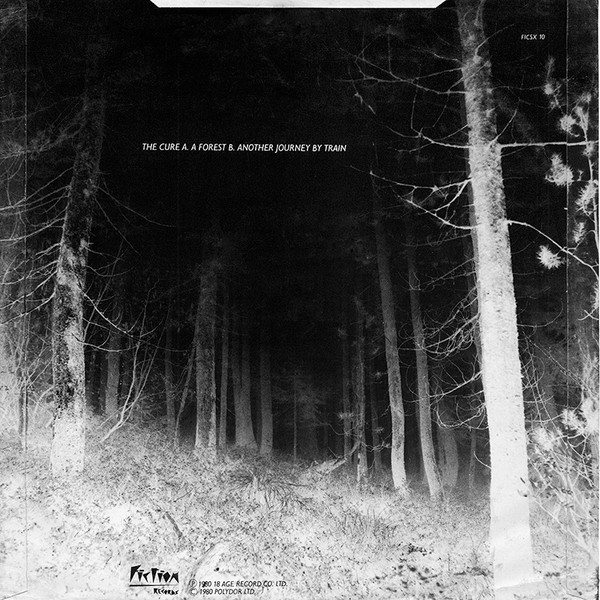
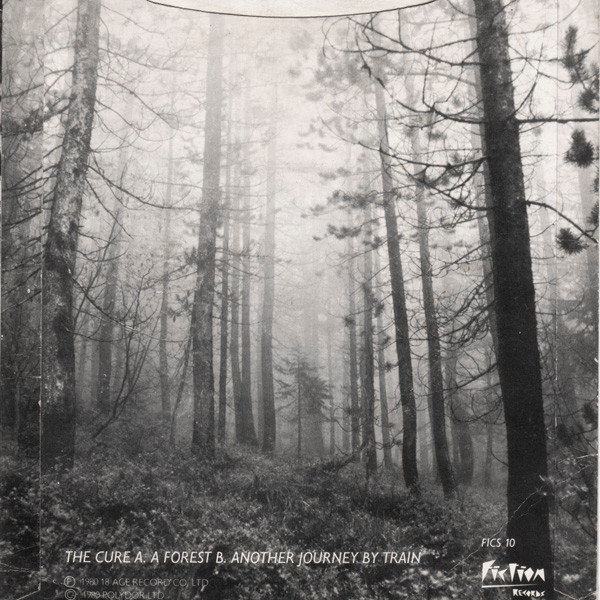
"A Forest" és una cançó co-produïda per Mike Hedges i Robert Smith. Llançada com a single del seu segon àlbum "Seventeen Seconds" el març de 1980, va ser el seu debut a les llistes de singles del Regne Unit, assolint el número 31. El videoclip acompanyant va fer la seva estrena al programa Top of the Pops de la BBC el 24 d'abril de 1980. Enregistrada i mesclada en set dies, "A Forest" representa la fase de rock gòtic dels anys 80 de The Cure i continua sent una peça clau en el repertori dels seus concerts. Va ser reenregistrada i remesclada per ser llançada com a single del seu àlbum de 1990 "Mixed Up".


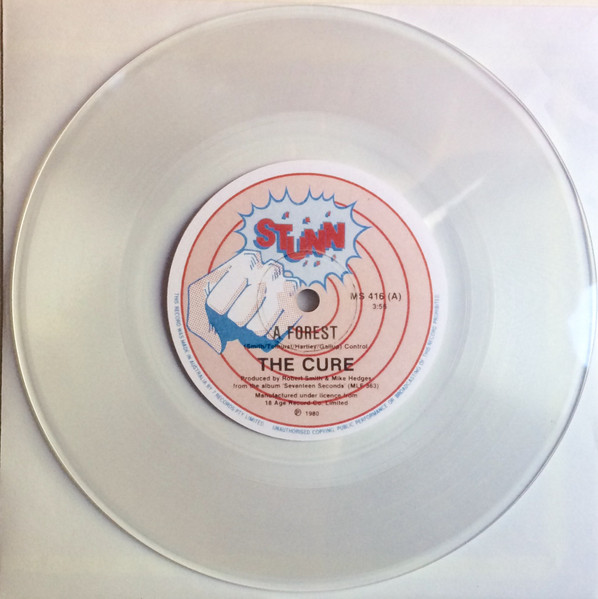
"A Forest" va ser el primer single de la banda en ser llançat en format maxi-single. Aquest format maxi-single incloïa una versió llarga que mantenia la introducció inicial de guitarra i teclat, afegia sons addicionals entre els versos i allargava el solo de guitarra final abans de desvanir-se. En contrast, la versió single era condensada, ometia la introducció, saltava seccions entre els versos i acabava amb un desvaniment més ràpid, cosa que la feia aproximadament dos minuts més curta.


La cançó explica un conte de persecució i pèrdua dins d'un bosc, sovint interpretat com un viatge metafòric. Robert Smith l'ha descrit com la representació d'un malson d'infantesa que va perdurar fins a l'adolescència. Va explicar a Rockstar el 1984 que la cançó es va inspirar en la seva pròpia experiència en trobar-se perdut al bosc quan era nen, amb l'objectiu de capturar la intensa por i malestar que va sentir en aquell moment.


"A Forest" comença amb una sirena que insta al narrador a trobar una noia al bosc. A mesura que avança la història, el narrador descobreix que la noia mai no va ser realment allà, subratllant un sentiment de decepció i inutilitat perpètua. Robert Smith retracta magistralment temes com la monotonia, el buit i la cerca perpetual a la lletra. El protagonista es troba atrapat en un cicle on les accions condueixen a una estasis, i la possibilitat d’un canvi sembla encara pitjor que romandre en un estat d'inèrcia. L'efecte global és com d’estar al purgatori, ja que la cançó gira metafòricament en repeticions fredes i grises de les paraules "again and again and again and again” (una vegada i una altra i una altra i una altra).


Cap la fi del 1979, sentint-se insatisfet amb el so cru i primitiu del seu àlbum debut "Three Imaginary Boys", Robert Smith va concebre un enfocament radicalment diferent per al seu segon àlbum. Enregistrat al gener de 1980 als estudis Morgan a Willesden amb el productor Mike Hedges, les sessions per a "Seventeen Seconds" van ser un contrast important amb el procés llarg i descoratjador de "Faith" uns mesos més tard. Smith, juntament amb el bateria Lol Tolhurst i els nous membres Simon Gallup al baix i Matthieu Hartley als teclats, van completar la gravació en només vuit dies i la mescla en set. L'ètica de producció de l'àlbum girava entorn del minimalisme, amb Smith insistint que qualsevol músic que desitgés tocar més d'una nota al piano havia de buscar un altre lloc per fer-ho.


"A Forest" va captar una atenció significativa per la seva atmosfera envolvent que durava sis minuts. Robert Smith va expressar la seva intenció de crear una peça profundament atmosfèrica amb un so diferèncial. Malgrat les preocupacions del segell discogràfic sobre el seu potencial a les ràdios, Smith es va mantenir ferm en preservar el so original de la cançó tal com ell l'havia imaginat. Aquest és un dels primers èxits de The Cure i sens dubte una de les seves cançons més aclamades. Avui en dia sona tan bé com el primer dia.


THE CURE - A FOREST


Released: March 28, 1980

Charted:  UK: #31 


"A Forest" is a song co-produced by Mike Hedges and Robert Smith. Released as a single from their second album “Seventeen Seconds” on March 1980, it marked their debut entry on the UK Singles Chart, peaking at number 31. The accompanying music video debuted on BBC's Top of the Pops on 24 April 1980. Recorded and mixed within seven days, "A Forest" epitomizes The Cure's 1980s gothic rock phase and remains a staple on their concert set lists. It was re-recorded and remixed for release as a single from their 1990 album “Mixed Up”.


This was the band's debut single released in the 12-inch record format, distinguishing it from the standard 7-inch single version. The 12-inch format included an extended version that retained the initial guitar-and-keyboard introduction, featured additional bars between verses, and prolonged the guitar solo ending before fading out. In contrast, the 7-inch version was condensed, omitting the introduction, skipping sections between verses, and concluding with a quicker fade-out, making it approximately two minutes shorter than its larger counterpart.


This song narrates a haunting tale of pursuit and loss within a forest, often interpreted as a metaphorical journey. Robert Smith has described it as a manifestation of a childhood nightmare that persisted into adolescence. He explained to Rockstar in 1984 that the song was inspired by his own experience of becoming lost in the forest as a child, aiming to capture the intense fear and unease he felt during that time. 


"A Forest" begins with a siren call urging the narrator to find a girl in the forest, setting up an elusive pursuit. As the story unfolds, the narrator discovers that the girl was never actually there, emphasizing a sense of perpetual disappointment and futility. Robert Smith masterfully portrays themes of sameness, nothingness, and perpetual searching in the lyrics. The song's protagonist finds himself caught in a cycle where actions lead to a stasis, and the prospect of change seems even worse than remaining in a state of inertia. The overall effect is purgatorial, as the song metaphorically circles in cold, grey repetitions, encapsulated in the refrain of "again and again and again and again."


In late 1979, feeling dissatisfied with the raw and primitive sound of their debut album "Three Imaginary Boys," Robert Smith envisioned a starkly different approach for their second album. Recorded in January 1980 at Morgan Studios in Willesden with producer Mike Hedges, the sessions for "Seventeen Seconds" were a stark contrast to the lengthy and disheartening process of making "Faith" a few months later. Smith, along with drummer Lol Tolhurst and new members Simon Gallup on bass and Matthieu Hartley on keyboards, completed recording in just eight days and mixing in seven. The album's production ethos revolved around minimalism, with Smith famously insisting that any musician desiring to play more than one piano note should find another place to do so. 


"A Forest" garnered significant attention for its atmospheric and expansive six-minute duration. Robert Smith expressed his intention to create a deeply atmospheric piece with a distinctive sound. Despite label concerns about its radio appeal, Smith remained steadfast in preserving the song's original sound as he envisioned it. This is one of The Cure's first hits, and certainly one of their most acclaimed songs. Today sounds as good as the first day.