Total de visualitzacions de pàgina:

13.8.24


PETER SCHILLING - MAJOR TOM (VÖLLIG LOSGELÖST)


Estrenada: 3 de gener de 1983

Llistes: Regne Unit: #42   EUA: #14


"Major Tom (Völlig Losgelöst)", publicada en anglès com a "Major Tom (Coming Home)", és una cançó del músic alemany Peter Schilling, llançada com a senzill del seu àlbum "Error in the System". Narra la història d'un personatge connectat amb Major Tom de David Bowie, un astronauta que es perd a l'espai quan es perd el contacte de ràdio amb el control a terra.


A "Major Tom (Völlig Losgelöst)" la narrativa es desplega amb la decisió de la Terra de portar a Major Tom a casa després de confirmar la seva sobrietat. No obstant això, mentre es prepara per descendir a la Terra, Tom interromp abruptament la comunicació amb un missatge d'amor per a la seva dona i apaga la potència de la nau. Això porta a suposar la seva mort durant la reentrada. En realitat, Tom ha fingit la seva mort per escapar-se de nou a l'espai, que ara considera la seva veritable llar.


"Major Tom (Völlig Losgelöst)" es va publicar el 3 de gener de 1983 a l'Alemanya Occidental. Ràpidament va assolir el primer lloc a les llistes del país i a Àustria i Suïssa. La versió en anglès es va llançar posteriorment als Estats Units el 24 de setembre de 1983. A Amèrica del Nord, va assolir un èxit notable, arribant al número 1 al Canadà, al número 4 a Sud-àfrica, i al número 14 a les llistes Billboard Hot 100 Singles durant la setmana del 24 de desembre de 1983. A més, la versió en anglès va arribar al número 2 a la llista de música dance dels Estats Units.


El març de 2024, es va llançar una petició per adoptar "Major Tom" com la cançó per celebrar els gols de la selecció nacional d'Alemanya durant el Campionat d'Europa de futbol UEFA de 2024. Degut a les regulacions de la UEFA, generalment no es permeten les cançons de gol individuals, però "Major Tom" va ser present en dos partits amistosos anteriors. Durant el Campionat de la UEFA a l'estiu de 2024, la versió original de "Major Tom" va experimentar un ressorgiment, tornant a entrar al Top Ten de les llistes de singles alemanys després de més de 40 anys. Peter Schilling va expressar el seu agraïment emocional pel suport, reconeixent als seus fans la seva aclaparadora resposta a la iniciativa.


PETER SCHILLING - MAJOR TOM (VÖLLIG LOSGELÖST)


Released: January 3, 1983

Charted:  UK: #42    US: #14 


"Major Tom (Völlig Losgelöst)” published in English as “Major Tom (Coming Home)" is a song by German musician Peter Schilling, released as a single from his album "Error in the System". It tells the story of a character connected to David Bowie's "Major Tom", an astronaut who drifts into space as radio contact with ground control is lost. 


In Peter Schilling's "Major Tom (Völlig Losgelöst)", the narrative unfolds with Earth's decision to bring Major Tom back home after confirming his sobriety. However, as he prepares to descend to Earth, Tom abruptly ends communication with a message of love to his wife and shuts down the ship's power. This leads to the assumption of his death during re-entry. In reality, Tom has faked his demise to escape back into space, which he now views as his true home.


"Major Tom (Völlig Losgelöst)" originally debuted on January 3, 1983, in West Germany. It quickly rose to the top spot on charts in West Germany, Austria, and Switzerland. The English version was subsequently released in the United States on September 24, 1983. In North America, it achieved notable success by reaching No. 1 in Canada, No. 4 in South Africa, and peaked at No. 14 on the US Billboard Hot 100 Singles chart during the week of December 24, 1983. Additionally, the English-language version of the song climbed to No. 2 on the US dance chart.


On March 2024, a petition was launched to adopt "Major Tom" as the goal song for the Germany national football team during the 2024 UEFA European Football Championship. Due to UEFA regulations, individual goal songs are not typically allowed, but "Major Tom" was featured in two previous friendly matches. During the UEFA Championship in summer 2024, the original version of "Major Tom" experienced a resurgence, re-entering the Top Ten of the German Single Charts after more than 40 years. Peter Schilling expressed emotional gratitude for the support, acknowledging his fans and their overwhelming response to the initiative.


12.8.24


DAVID BOWIE - ASHES TO ASHES 


Publicació: 1 d'agost de 1980

Llistes: Regne Unit: #1 (2 setmanes)  EUA: #101


"Ashes to Ashes" és una cançó llançada com a primer single de l'àlbum "Scary Monsters (and Super Creeps)", co-produït per David Bowie i Tony Visconti. Enregistrada a Nova York i Londres de febrer a abril de 1980, la cançó combina elements de rock artístic, pop art i new wave, impulsada per un característic riff de piano. "Ashes to Ashes" es va convertir en el senzill més venut de David Bowie fins a aquell moment i en el seu segon número u al Regne Unit, després de la reedició de "Space Oddity" el 1975.


"Ashes to Ashes" és una seqüela melancòlica i introspectiva de "Space Oddity". Descriu al Major Tom, ara addicte a les drogues i assetjat per la paranoia després de ser abandonat a l'espai durant onze anys. Ground Control, reticent a reconèixer el seu retorn, fingeix que tot està bé, utilitzant respostes burocràtiques. El Major Tom reflexiona sobre la seva vida i desitja alliber-se del seu "psique engabiat", lamentant les seves accions i decisions. La cançó conclou amb frases de rimes infantils, suggerint consells de la seva mare per evitar interferir amb el Major Tom. RCA va subratllar la connexió entre "Space Oddity" i "Ashes to Ashes" en editar un maxisingle promocional de nou minuts als Estats Units titulat "The Continuing Story of Major Tom".


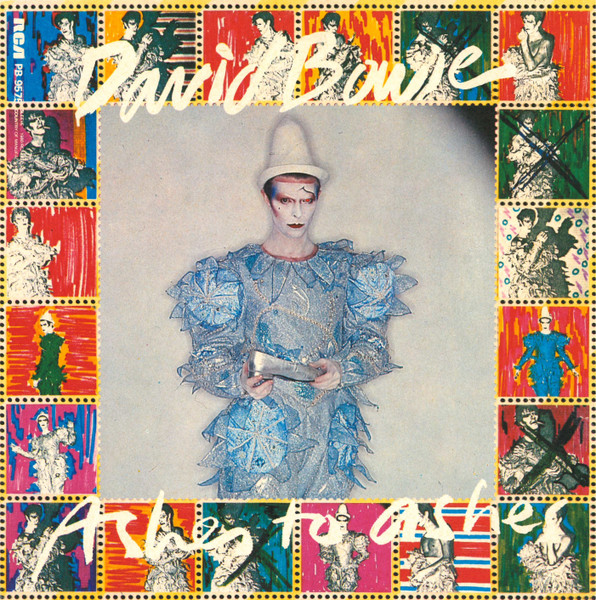
Al Regne Unit, el single va ser publicat amb tres portades diferents, contenint cadascuna quatre fulls diferents de segells adhesius de Bowie amb el seu vestit de Pierrot del videoclip musical. Aquesta estratègia va capitalitzar la tendència de les col·leccions d'edició limitada que era popular en el mercat dels singles a l'època.


El videoclip co-dirigit per David Bowie i David Mallet, es va filmar al maig de 1980 durant tres dies a un cost de 250.000 lliures. En aquell moment, va ser el videoclip de música més car mai fet i continua sent un dels més cars fins avui. Bowie va fer un storyboard meticulós del vídeo, supervisant cada detall de les preses i l'edició, mentre que Mallet va utilitzar tecnologia innovadora del moment com el Quantel Paintbox per manipular colors, donant al vídeo el seu estil visual distintiu amb un cel negre i un oceà rosa.


En el video, David Bowie encarna tres personatges diferents: un pallasso, un astronauta i un pacient d'un asil, cadascun simbolitzant diferents aspectes del tema outsider de la cançó. El vídeo presenta seguidors de Bowie vestits amb robes clericals negres, inspirades en "The Sound of Music", dissenyades per Judi Frankland. Aquestes robes van ser portades pels membres del club nocturn Blitz de Londres, conegut per la seva associació amb el moviment New Romantic i artistes com Steve Strange de Visage. Es va filmar a diverses localitzacions, incloent Beachy Head i Hastings. El director David Mallet va triar Beachy Head pels seus espectaculars cingles. Un buldozer abandonat trobat a la platja es va incorporar a la filmació després d'obtenir el permís dels seus propietaris. Com altres vídeos de Bowie, "Ashes to Ashes" evita la narrativa en favor de la imatgeria surrealista, creant una atmosfera onírica que el crític Buckley va comparar amb un "estat mental oníric".


DAVID BOWIE - ASHES TO ASHES 


Released: August 1, 1980

Charted:  UK: #1 (2 weeks)  US: #101 


"Ashes to Ashes" is a song released as the lead single from the album "Scary Monsters (and Super Creeps)", co-produced by Bowie and Tony Visconti. Recorded in New York and London from February to April 1980, the song blends elements of art rock, art pop, and new wave, driven by a flanged piano riff. "Ashes to Ashes" became David Bowie's fastest-selling single up to that point and his second number one single in the UK, following the 1975 reissue of "Space Oddity".


"Ashes to Ashes" serves as a melancholic and introspective sequel to "Space Oddity". It portrays Major Tom, now addicted to drugs and plagued by paranoia after being abandoned in space for eleven years. Ground Control, reluctant to acknowledge his return, pretends everything is fine, echoing bureaucratic responses. Major Tom reflects on his life and desires freedom from his "caged psyche", lamenting his actions and decisions. The song concludes with nursery rhyme lines, suggesting advice from his mother to avoid interfering with Major Tom. RCA underscored the connection between "Space Oddity" and "Ashes to Ashes" by releasing a nine-minute promotional 12" vinyl in the US titled "The Continuing Story of Major Tom". 


In the UK, the single was issued with three different picture sleeves, each containing four different sheets of adhesive stamps featuring Bowie in his Pierrot costume from the music video. This approach capitalized on the trend for limited-edition collectibles that was popular in the 7" single market at the time.


The music video for co-directed by David Bowie and David Mallet, was filmed in May 1980 over three days at a cost of £250,000. At the time, it was the most expensive music video ever made and remains among the priciest to date. Bowie meticulously storyboarded the video, overseeing every shot and editing detail, while Mallet employed innovative technology like the Quantel Paintbox to manipulate colors, giving the video its distinctive visual style with a black sky and pink ocean.


In the music video, David Bowie embodies three distinct characters: a clown, astronaut, and asylum inmate, each symbolizing different aspects of the song's outsider theme. The video features Bowie's followers dressed in black clerical robes, inspired by The Sound of Music, designed by Judi Frankland. These robes were worn by members of London's Blitz nightclub, known for its association with the New Romantic movement and artists like Steve Strange from Visage. It was filmed at various locations including Beachy Head and Hastings. Director David Mallet chose Beachy Head for its dramatic cliffs. An abandoned bulldozer found on the beach was incorporated into the shoot after securing permission from its owners. Similar to Bowie's other videos, "Ashes to Ashes" eschews narrative in favor of surreal imagery, creating a dreamlike atmosphere that critic Buckley likened to a "dreamlike mental state".


CHER - HALF BREED


Estrena: 23 de juliol de 1973

Llistes: EUA: #1 (2 setmanes)


"Half-Breed" és una cançó de Cher llançada el 1973, que retracta la tragedia d’un mulat des d'una perspectiva no nativa. La lletra descriu una dona amb un pare blanc i una mare xerokee que afronta discriminació i rebuig tant per part dels blancs com dels indis. La cançó suggereix incorrectament que la cantant no és acceptada com a xerokee a causa del seu pare blanc, mentre que la cultura xerokee tradicional reconeix els nens com a xerokee si neixen d'una mare xerokee, independentment de l'ètnia del pare.


El 1973, "Half-Breed" va assolir un gran èxit, arribant al número u de la llista Billboard Hot 100 als Estats Units durant dues setmanes. Aquest èxit va ser el segon número u en solitari de Cher i el tercer en total. A més, va obtenir la certificació de disc d'or per vendre més de 1.000.000 de còpies. La cançó també va arribar al número u a Canadà i Nova Zelanda, i va assolir el top 10 a Austràlia i a Quebec.


Snuff Garrett, tot i tenir la intenció de deixar de treballar amb Sonny i Cher a causa de desacords sobre la direcció musical de Cher, va acabar produint "Half-Breed". La cançó, escrita per la lletrista Mary Dean i Al Capps, va captivar profundament Garrett, que va creure que estava feta a mida per a Cher. En una entrevista amb Rolling Stone el 1973, Garrett va expressar la seva convicció que "Half-Breed" estava destinada exclusivament a Cher, citant la seva alineació temàtica amb la seva narrativa personal. Inicialment, Garrett va guardar la cançó durant diversos mesos sense la participació de Cher, però finalment es va reunir amb ella per produir el tema, que va acabar sent un èxit significatiu per a ella.


El videoclip de "Half-Breed" va fer el seu debut a The Sonny & Cher Comedy Hour, amb Cher vestida amb un atrevit vestit inspirat en els indis americans, complet amb una ploma al cap. Va interpretar la cançó sobre un cavall, accentuant visualment els elements temàtics de la cançó.


CHER - HALF BREED


Released: July 23, 1973

Charted:  US: #1 (2 weeks)


"Half-Breed" is a song by Cher released in 1973, portraying a "Tragic mulatto" narrative from a non-Native perspective. The lyrics describe a woman with a White father and a Cherokee mother facing discrimination and rejection by both Whites and Native Americans. The song incorrectly suggests that the singer is not accepted as Cherokee because of her White father, whereas Cherokee culture traditionally recognizes children as Cherokee if born to a Cherokee mother, regardless of the father's ethnicity.


In 1973, "Half-Breed" achieved significant success, topping the United States Billboard Hot 100 chart for two weeks. This accomplishment marked Cher's second solo and third overall number one hit. Additionally, it earned a Gold certification for selling over 1,000,000 copies. The song also reached number one in Canada and New Zealand. Furthermore, it achieved Top 10 status in Australia and Quebec.


Snuff Garrett, despite intending to cease working with Sonny and Cher due to disagreements over Cher's musical direction, ended up producing "Half-Breed." The song, brought to him by lyricist Mary Dean and Al Capps, resonated deeply with Garrett who believed it was tailor-made for Cher. In a 1973 Rolling Stone interview, Garrett expressed his conviction that "Half-Breed" was meant for Cher alone, citing its thematic alignment with her personal narrative. Initially holding onto the song for several months without Cher's involvement, Garrett eventually reunited with Cher to produce the track, which went on to become a significant hit for her.


The music video for "Half-Breed" debuted on The Sonny & Cher Comedy Hour, featuring Cher adorned in a provocative Native American-inspired outfit complete with a feathered headdress. She performed the song atop a horse, emphasizing the song's thematic elements visually. 


11.8.24


DIRE STRAITS - WATER OF LOVE

Publicada: Octubre de 1978

Àlbum: Dire Straits


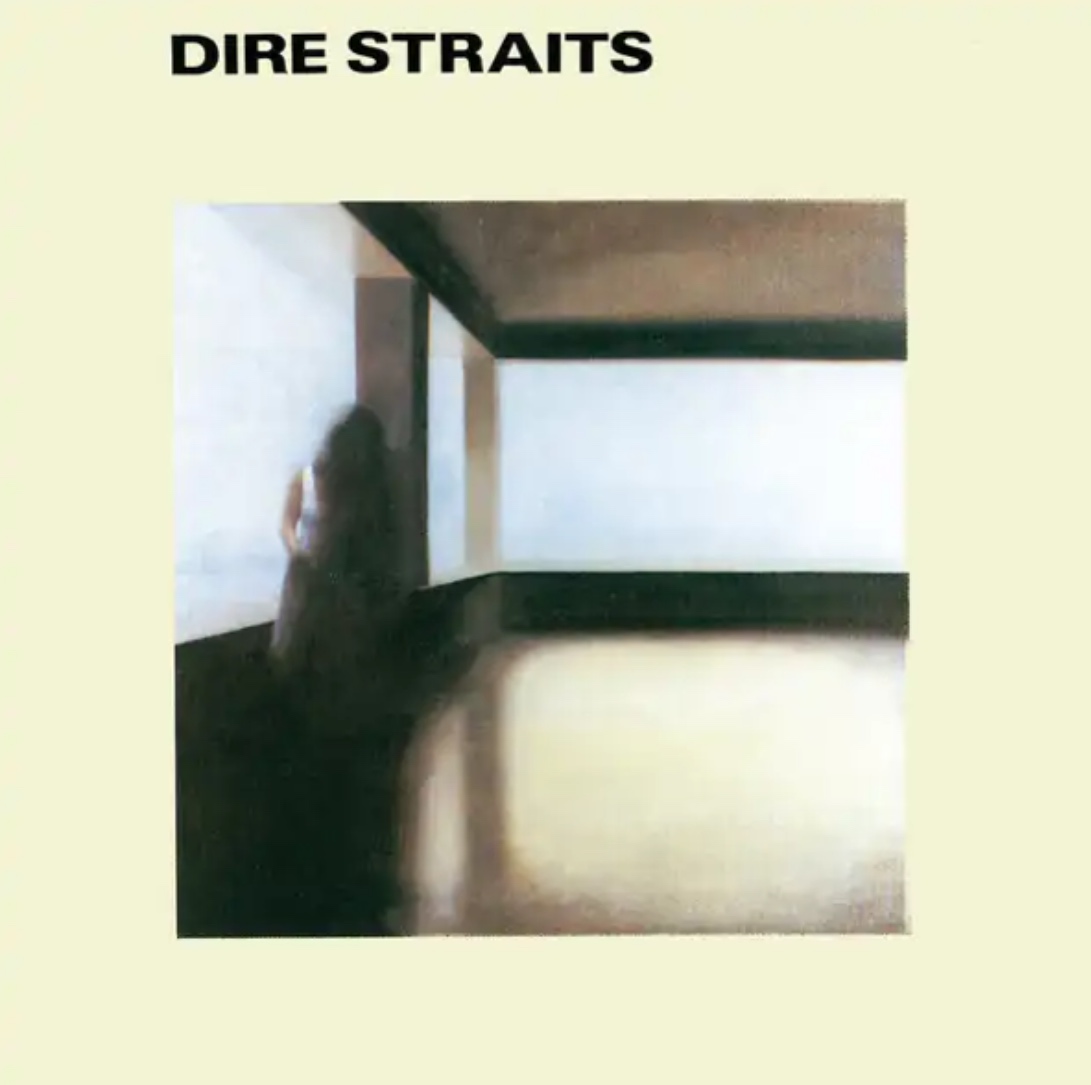
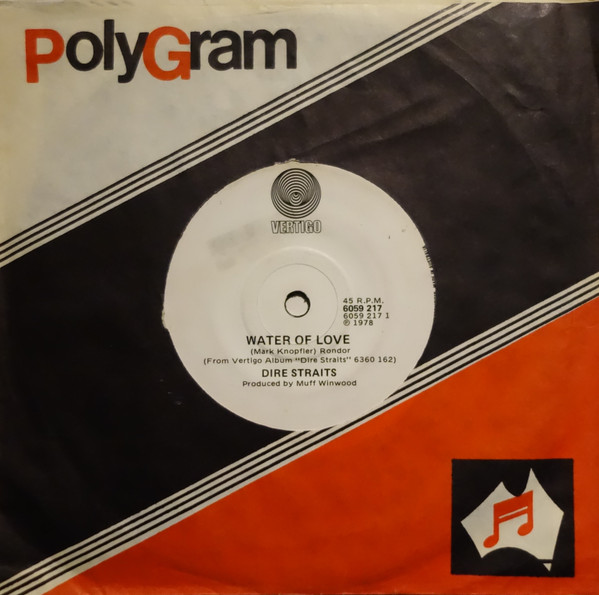
"Water of Love," escrita per Mark Knopfler, es va publicar en el primer àlbum homònim de Dire Straits. Llançada com a single per primer cop a l'octubre de 1978 als Països Baixos i posteriorment a Austràlia al desembre de 1978, va seguir l'èxit del seu senzill "Sultans of Swing". La cançó va assolir un èxit moderat a les llistes, arribant al número 28 als Països Baixos i al número 54 a Austràlia.


"Water of Love" és una de les quatre pistes de la primera cara del primer àlbum de Dire Straits que explora temes de relacions problemàtiques. Segons l'autor Michael Oldfield, la cançó reflecteix l’experiència personal de Mark Knopfler, especialment el seu propi divorci. Knopfler mateix va descriure "Water of Love" com originada purament per les seves emocions, expressant frustració i una sensació d'estancament a la seva vida. Va explicar que la va escriure durant un període en què se sentia desil·lusionat i veia amb incertesa el seu futur.


Ken Tucker, escrivint a Rolling Stone, va destacar "Water of Love" com un exemple de l'estil de Mark Knopfler, combinant lletres astutes i mundanes. Va assenyalar el contrast entre frases com "I need a little water of love", que va elogiar per la seva astúcia, i altres com "You know it's evil when you're living alone", que va considerar menys efectives. Billboard va elogiar el contingut líric de la cançó però va criticar el seu arranjament simple, manifestant la seva manca d'impacte per aconseguir captivar l'oient. En canvi, Ronald Hawkins va descriure "Water of Love" com una cançó magníficament elaborada, indicant una avaluació positiva de la seva composició i estructura global.


DIRE STRAITS - WATER OF LOVE


Released: October 1978

Album: Dire Straits


"Water of Love," penned by Mark Knopfler, debuted on Dire Straits' eponymous first album. Initially released as a single in October 1978 in the Netherlands and later in Australia in December 1978, it followed the success of their breakout single "Sultans of Swing." The track achieved moderate chart success, reaching number 28 in the Netherlands and number 54 in Australia.


"Water of Love" is one of four tracks on the first side of Dire Straits' debut album that delves into themes of troubled relationships. According to author Michael Oldfield, the song reflects Mark Knopfler's personal experiences, particularly his own divorce. Knopfler himself described "Water of Love" as originating purely from his own emotions, expressing frustration and a sense of stagnation in his life. He explained that he wrote the song during a period when he felt disillusioned and uncertain about his future.


Ken Tucker, writing in Rolling Stone, highlighted "Water of Love" as an example of Mark Knopfler's style, blending clever and mundane lyrics. He pointed out the contrast between lines like "I need a little water of love," which he praised for its cleverness, and others such as "You know it's evil when you're living alone," which he deemed less effective. Billboard praised the lyrical content of the song but criticized its easy-listening arrangement, which felt lacked impact and failed to engage the listener. Conversely, Ronald Hawkins described "Water of Love" as a superbly crafted song, indicating a positive assessment of its overall composition and structure.