Total de visualitzacions de pàgina:

2.9.24


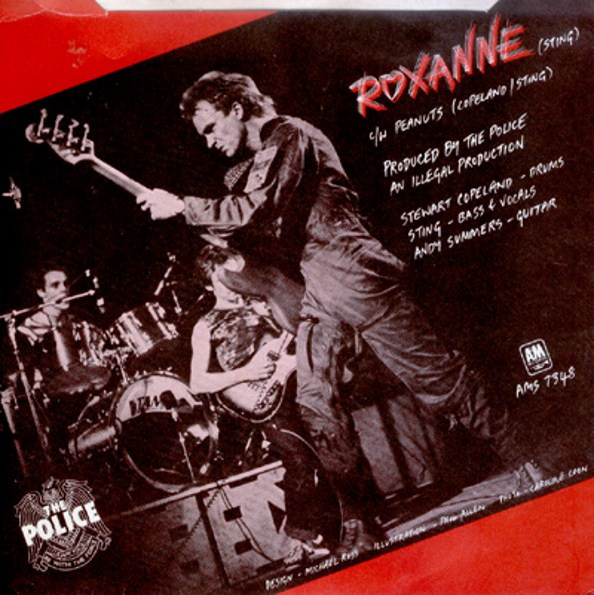
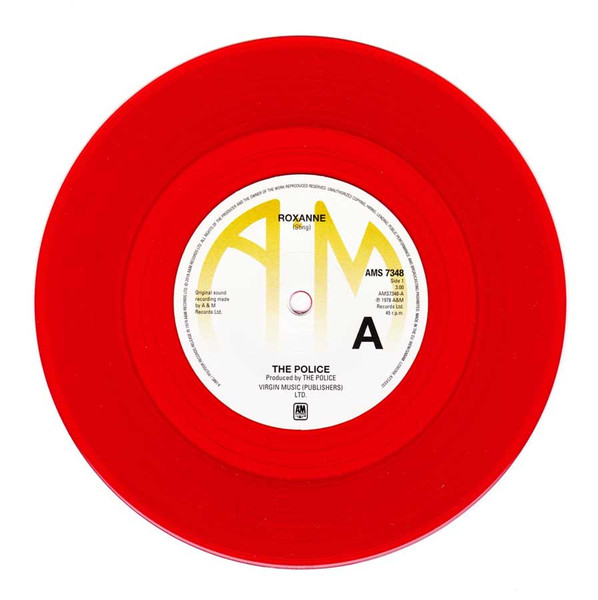
THE POLICE - ROXANNE

Estrena: 7 d'abril de 1978 

Llistes: EUA: #32  Regne Unit: #12


"Roxanne" és una cançó de The Police, escrita pel seu cantant i baixista, Sting. Inicialment llançada com a senzill l'abril de 1978, abans del seu àlbum debut "Outlandos d'Amour", va guanyar notorietat per la seva narrativa sobre la fascinació d'un home per una prostituta anomenada Roxanne. L'any 2008, "Roxanne" va ser honorada amb la seva inclusió al Grammy Hall of Fame.


"Roxanne" explica la història d'un home que s'enamora d'una prostituta i l'anima a canviar de vida. Sting va concebre la idea després de trobar-se amb prostitutes a París mentre la banda estava de gira. La cançó explora el concepte de l'amor i la redempció en el context del barri vermell, amb Sting imaginant les complexitats d'una relació amb una d'aquestes dones. El títol "Roxanne" es va inspirar en el personatge de l'obra "Cyrano de Bergerac", amb Sting deixant-se portar per la influència d'un vell cartell que va veure al vestíbul d'un hotel.


"Roxanne" va ser el debut de The Police amb un segell discogràfic important després d'un single anterior “Fall Out” que no havia tingut èxit llançat amb una discogràfica independent. Originalment gravada amb el nou guitarrista Andy Summers als Surrey Sound Studios el gener de 1978, la cançó va ser produïda per Nigel Gray, propietari dels estudis. Malgrat els dubtes inicials de Sting sobre el seu potencial com a èxit a causa del seu to més fosc en comparació amb la seva obra anterior, el mànager de la banda i propietari del segell, Miles Copeland, en va reconèixer l'atractiu i va aconseguir un acord de distribució amb A&M Records.


Llançada inicialment al Regne Unit l'abril de 1978 i més tard als Estats Units al febrer de 1979, "Roxanne" va tenir un èxit limitat al començament. Després de guanyar difusió a la ràdio d'Austin, Texas, es va convertir en un èxit sorpresa als Estats Units, assolint el lloc 32 al Billboard Hot 100 l'abril de 1979. El seu èxit es va reflectir al Regne Unit, on va arribar al lloc 12 al maig de 1979, més d'un any després del seu llançament inicial.


El primer vídeo musical de "Roxanne" mostra principalment The Police interpretant la cançó sobre l'escenari en el que sembla una prova de so. El vídeo inclou imatges en càmera lenta de la banda en acció durant actuacions en directe.


La segona versió del vídeo va ser filmada en un escenari i presenta The Police actuant contra un fons vermell. Aquesta configuració crea un contrast visual impactant que millora l'ambient de la cançó i la interpretació de la banda.


Durant la gravació de "Roxanne," Sting va seure accidentalment sobre el teclat d'un piano a l'estudi, produint un acord atonal i unes rialles posteriors. Aquest incident va ser gravat i preservat al començament de la pista. Com a reconeixement divertit de l'error, Sting és acreditat a les notes del disc com a intèrpret de "piano amb el cul."


L'edició espanyola del senzill conté un error tipogràfic, on el títol apareix com a "Hoxanne" en lloc de "Roxanne", fet que el va convertir en un interessant objecte de col·leccionista entre els fans d'altres països.


THE POLICE - ROXANNE


Released: April 7, 1978 

Charts:  US: #32   UK: #12 


"Roxanne" is a song by The Police, written by their lead singer and bassist, Sting. Initially released as a single on April 1978, ahead of their debut album “Outlandos d'Amour”, it gained attention for its narrative about a man's infatuation with a prostitute named Roxanne. In 2008, "Roxanne" was honored with induction into the Grammy Hall of Fame.


"Roxanne" tells the story of a man who fall in love with a prostitute and urges her to change her life for the better. Sting conceived the idea after encountering prostitutes in Paris while the band was on tour. The song explores the concept of love and redemption amidst the backdrop of the red-light district, with Sting imagining the complexities of a relationship with one of these women. The title "Roxanne" was inspired by the character in the play Cyrano de Bergerac, with Sting noting the influence of an old poster he saw in a hotel foyer.


"Roxanne" marked The Police's debut on a major label after a prior unsuccessful single release. Originally recorded with new guitarist Andy Summers at Surrey Sound Studios in January 1978, the song was produced by Nigel Gray, who owned the studio. Despite Sting's initial doubts about its potential as a hit due to its darker tone compared to their previous work, the band's manager and label owner, Miles Copeland, recognized its appeal and secured a distribution deal with A&M Records. 


Initially released in the UK in April 1978 and later in the US in February 1979, "Roxanne" initially saw limited success. After gaining traction on radio in Austin, Texas, it became a surprise hit in the US, peaking at #32 on the Billboard Hot 100 in April 1979. Its success was mirrored in the UK, where it reached #12 in May 1979, over a year after its initial release.


The first music video for "Roxanne" primarily features The Police performing the song, showcasing them on stage in what seems like a sound check setting. The video includes slow-motion shots of the band in action during live performances.


The second version of the music video was shot on a sound stage and portrays The Police performing against a red backdrop. This setting creates a visually striking contrast that enhances the mood of the song and the band's performance.


During the recording of "Roxanne," Sting accidentally sat on a piano keyboard in the studio, which produced an atonal piano chord and subsequent laughter. This incident was captured and preserved at the beginning of the track. As a playful acknowledgment of the mishap, Sting is credited in the liner notes for playing "butt piano."


The Spanish edition of the single contains a spelling error, putting the title “Hoxanne instead of “Roxanne”, which made it an interesting collector's item among fans in other countries.





THE KINKS - TIRED OF WAITING FOR YOU

Estrena: 15 de gener de 1965

Llistes: Regne Unit: #1 (1 setmana)  EUA: #6


"Tired of Waiting for You" és una cançó llançada com a senzill el 15 de gener de 1965 al Regne Unit i el 17 de febrer de 1965 als Estats Units. Va arribar al número u a la UK Singles Chart i al número sis al Billboard Hot 100 als Estats Units. La cançó també va aparèixer al segon àlbum d'estudi dels Kinks, "Kinda Kinks". Es va convertir en el single dels Kinks que més alt ha arribat a les llistes als Estats Units, un rècord només igualat per "Come Dancing" divuit anys després.


Ray Davies va escriure "Tired of Waiting for You" mentre era estudiant a la Hornsey School of Art de Londres. Després d'encertar amb "You Really Got Me" i "All Day and All of the Night", Ray estava mancat d'idees per a noves cançons per al proper àlbum dels Kinks. Va decidir revisar la cançó que havia escrit durant els seus dies d'estudiant. La banda va enregistrar la pista instrumental, però Ray es va adonar que havia oblidat la lletra. La va escriure durant un viatge en tren cap a l'estudi al dia següent. 


En aquesta cançó, Ray Davies canta sobre una noia que el té sota el seu encanteri, però que continua deixant-lo penjat, desgastant-lo. La seva veu reflecteix una certa fatiga, mancant-li l'embat d'adrenalina dels seus èxits anteriors. Aquest descontent reflecteix tensions reals dins dels Kinks el 1965, quan estaven constantment de gira per actuacions promocionals. Va ser evident que hi havia animositat significativa dins de la banda, marcada per un calendari exigent que els costava seguir.


"Tired of Waiting for You" inicialment tenia un enfocament més suau fins que es va decidir incorporar-li el característic riff de guitarra de Dave Davies. Dave va recordar que, mentre el procés d'enregistrament avançava bé, tant ell com Ray Davies sentien que faltava alguna cosa. Estaven preocupats pel fet que afegir el so potent de guitarra de Dave sobre una cançó més suau podria no funcionar, però l'addició del so de guitarra va acabar millorant la gravació, donant-li un toc més emocional. Dave Davies va considerar "Tired of Waiting for You" com el disc pop perfecte, en la seva opinió.


Segons Ray Davies, mentre la banda rebia un telegrama a Nova York informant-los del seu número ú al Melody Maker, la resta de la banda va sortir de festa, però ell va optar per celebrar-ho sol, demanant una ampolla de xampany i gaudint del moment de l'èxit.


THE KINKS - TIRED OF WAITING FOR YOU


Released: January 15, 1965

Charted:  UK: #1 (1 week)  US: #6 


"Tired of Waiting for You" is a song released as a single on 15 January 1965 in the UK and 17 February 1965 in the US. It reached number one on the UK Singles Chart and number six on the Billboard Hot 100 in the US. The song also appeared on their second studio album, "Kinda Kinks". Notably, it became the Kinks' highest-charting single in the US, a record tied only by "Come Dancing" in 1983, eighteen years later.


Ray Davies wrote "Tired of Waiting for You" while he was a student at Hornsey School of Art in London. After scoring hits with "You Really Got Me" and "All Day and All of the Night," Ray was running low on ideas for new songs for the Kinks' next album. He decided to revisit the song he had written during his college days. The band recorded the backing track, but Ray realized he had forgotten the lyrics. He wrote them on a train ride to the studio the next day. Released as the lead single from their second album, the song became a major hit for the Kinks.


In this song, Ray Davies sings about a girl who has him under her spell, but she keeps stringing him along, wearing him out. The vocal reflects a weariness, lacking the adrenaline rush of their previous hits. This discontent mirrored real-life tensions within The Kinks in 1965 as they were constantly on the road for promotional appearances. It became evident that there was significant animosity within the band, exacerbated by the demanding schedule they struggled to maintain.


"Tired of Waiting for You" initially had a gentler approach until the decision was made to incorporate Dave Davies' trademark loud guitar riffing. Dave Davies recalled that while the recording process was progressing well, both he and Ray Davies felt something was missing. They were concerned that adding Dave's heavy guitar sound on top of a more subdued song might not work, but the addition of the raunchy guitar sound ended up enhancing the recording, giving it a sharper, more emotional edge. Dave Davies considered "Tired of Waiting for You" to be the perfect pop record in his opinion.


According to Ray Davies, while the band received a telegram in New York informing them of their success on Melody Maker, the rest of the band went out partying. However, the elder Davies brother opted to celebrate alone by ordering a bottle of champagne and enjoying the moment of success.


1.9.24


U2 - WHERE THE STREETS HAVE NO NAME


Estrena: 31 d'agost de 1987

Llistes: EUA: #13  Regne Unit: #4 


"Where the Streets Have No Name" és la primera pista de l'àlbum "The Joshua Tree". Es va llançar com a tercer senzill l'agost de 1987. La cançó va rebre elogis de la crítica i va assolir èxit comercial, arribant al número tretze als Estats Units, al número catorze al Canadà, al número deu als Països Baixos i al número quatre al Regne Unit.


El 1985, Bono va visitar Etiòpia després del Live Aid, fent que s’especulés que “Where the Streets Have No Name” s’inspirés en aquell país on molts carrers manquen de noms. No obstant això, el significat de la cançó és metafòric. Bono va pensar el títol durant el seu viatge a Etiòpia, però la lletra va evolucionar cap a una reflexió sobre un país imaginari. En el seu llibre Surrender del 2022, va clarificar la seva intenció: trencar les barreres personals fent un viatge transformador cap a la descoberta personal.


Bono la va descriure com un retorn al clàssic estil U2, destinat a esbossar una ubicació, possiblement espiritual o romàntica, i transmetre una sensació de voler escapar-se dels límits de la vida urbana i les normes socials. Va recordar una història de Belfast on l'adreça d'algú podia revelar tant la seva religió com el seu estatus socioeconòmic, impulsant-lo a imaginar un lloc on aquestes diferències no existissin, simbolitzat per carrers sense noms.


Bono va reflexionar sobre "Where The Streets Have No Name", descrivint la lletra com a incompleta i expressant el desig de desenvolupar-la més. Va dir que la cançó era musicalment potent, atorgant crèdit a la banda per la seva creació, però va reconèixer la seva lírica esquemàtica. Bono va explicar que part de la cançó serveix com una invocació, convidant els oients a imaginar un lloc lliure de constriccions socials, un lloc d'ànima i imaginació. Va assenyalar que, fins i tot ara, invocar aquestes paraules pot provocar una potent resposta emocional, transportant els oients a aquell món imaginatiu. Bono va dir que Brian Eno va tranquilitzar-lo respecte a la seva incompletitud, destacant que els pensaments incomplets són generosos perquè permeten als oients implicar-se i completar-los a la seva manera.


Brian Eno va coproduir el tema juntament amb Daniel Lanois. La influència d'Eno és notable a l'introducció, que construeix un paisatge sonor distintiu abans que la veu de Bono entri passat 1:46 des de l’inici. La música va ser composada per The Edge al seu estudi casolà, inicialment sense una lletra específica en ment. Eno va afegir una línia de teclat a la demo de The Edge en una obertura lenta de sintetitzador. Després, The Edge va afegir la seva part diferencial de guitarra amb un arpeggi repetit amb efecte retardat, creant una textura atmosfèrica amb notes mínimes. Bono va comparar la introducció amb l'afinació d'una orquestra i va pensar que era una manera poderosa de començar l'àlbum.


El productor Brian Eno es va implicar profundament en la creació de "Where the Streets Have No Name", dedicant més del 40% del temps de producció de l'àlbum a la cançó. La frustració d'Eno va arribar al seu punt àlgid durant la mescla, gairebé portant-lo a destruir la cinta i començar de nou, però les seves instruccions per esborrar la cinta van ser ignorades pels assistents, fet que va alleujar el co-productor Daniel Lanois. Lanois va descriure la creació de la cançó com a desafiadora per a la secció rítmica a causa de les longituds poc convencionals de les frases, recordant moments de tensió en la gravació.


El vídeo mostra el grup interpretant-la a la teulada de la botiga de licors Republic a la cantonada de la 7th i Main Street a Los Angeles. Enregistrat el 27 de març de 1987, aquest enfocament poc convencional va cridar l'atenció i va causar certa controvèrsia, aturant el trànsit i provocant reaccions diverses entre els espectadors. U2 va interpretar la cançó diverses vegades durant la gravació, juntament amb altres temes com "People Get Ready", "In God's Country", "Sunday Bloody Sunday" i "Pride (In The Name Of Love)". El vídeo va guanyar el Grammy a la millor actuació per a un vídeo musical el 1989.


El concepte de la teulada va fer recordar el famós concert dels Beatles a Apple Records el 1969, que va aparèixer a la pel·lícula "Let It Be". Quan se'ls va preguntar sobre la semblança, Bono va reconèixer amb humor la característica d'U2 de treure inspiració dels Beatles, afirmant: "Hem copiat als Beatles moltes vegades abans."


Els Pet Shop Boys van llançar una mescla de "Where the Streets Have No Name" amb "Can't Take My Eyes Off You" de Frankie Valli, titulada "Where the Streets Have No Name (I Can't Take My Eyes off You)". Als Estats Units, va arribar al número 72 el 1991. Al Regne Unit, es va llançar com a senzill amb doble cara A amb "How Can You Expect to Be Taken Seriously?" i va arribar al número 4 a les llistes.


U2 van interpretar "Where the Streets Have No Name" durant l'actuació de la mitja part del Super Bowl del 2002 entre els Patriots i els Rams. Van incloure un homenatge a les víctimes dels atemptats de l'11 de setembre amb els seus noms apareixent en una pantalla gegant. Bono va concloure l'actuació mostrant una bandera americana a l'interior de la seva jaqueta. 


U2 - WHERE THE STREETS HAVE NO NAME


Released: August 31, 1987

Charted:  US: #13   UK: #4 


"Where the Streets Have No Name" is the opening track from the 1987 album "The Joshua Tree." It was released as the album's third single in August 1987. The song received critical acclaim and achieved commercial success, reaching number thirteen in the US, number fourteen in Canada, number ten in the Netherlands, and number four in the United Kingdom.


"In 1985, Bono visited Ethiopia after Live Aid, prompting speculation that 'Where the Streets Have No Name' was inspired by the country where many streets lack names. However, the song's meaning is metaphorical. Bono coined the title during his Ethiopia trip, but the lyrics evolved into a reflection on a 'country of the imagination.' In his 2022 book Surrender, he clarified his intent: to break free from personal barriers and embrace a transformative journey toward self-discovery."


Bono described the song as a return to the classic U2 style, intended to sketch a location—possibly a spiritual or romantic one—and convey a sense of wanting to escape the confines of city life and societal norms. He recounted a story from Belfast where one's address could reveal both their religion and socioeconomic status, prompting him to envision a place where such distinctions didn't exist, symbolized by streets without names.


Bono reflected on "Where The Streets Have No Name," describing the lyrics as incomplete and expressing a desire to further develop them. He characterized the song as musically strong, crediting the band for its creation, but acknowledged its lyrical sketchiness. Bono explained that part of the song serves as an invocation, inviting listeners to join in imagining a place free from societal constraints—a place of soul and imagination. He noted that even now, invoking those words can evoke a powerful emotional response, as they transport listeners to that imaginative realm. Bono shared that Brian Eno provided reassurance regarding the unfinished noting that incomplete thoughts are generous because they allow listeners to engage and complete them in their own way.


Brian Eno co-produced the track along with Daniel Lanois. Eno's influence is notable in the intro, which builds a signature soundscape before Bono's vocals enter at 1:46. The music was composed by The Edge in his home studio, initially without a specific lyric in mind. Eno integrated a keyboard line from The Edge's demo into a slow-building, synthesizer-driven opening. The Edge then added his distinctive guitar part featuring a repeated arpeggio with a delay effect, creating a textured atmosphere with minimal notes. Bono likened the intro to an orchestra tuning up and felt it was a powerful way to commence "The Joshua Tree" album.


Producer Brian Eno was deeply involved in crafting "Where the Streets Have No Name", dedicating over 40% of the album's production time to the song. Eno's frustration peaked during mixing, almost leading him to destroy the tape and start afresh, but his instructions to erase the tape were ignored by assistants, much to the relief of co-producer Daniel Lanois. Lanois described the song's creation as challenging for the rhythm section due to its unconventional bar lengths, recalling moments of tension and meticulous guidance akin to a science lesson. 


The video depicts the band performing on the roof of the Republic Liquor Store at 7th and Main Street in Los Angeles. Filmed on March 27, 1987, this unconventional approach drew attention and some controversy, halting traffic and prompting mixed reactions from onlookers. U2 played the song multiple times during the shoot, alongside other tracks like "People Get Ready," "In God's Country," "Sunday Bloody Sunday," and "Pride (In The Name Of Love)." The video won the Grammy for Best Performance Music Video in 1989.


The rooftop concept echoed The Beatles' famous rooftop concert at Apple Records in 1969, featured in their film “Let It Be”. When asked about the resemblance, Bono humorously acknowledged U2's history of drawing inspiration from The Beatles, stating, "We've ripped off The Beatles many times before."


The Pet Shop Boys released a mashup of "Where the Streets Have No Name" with Frankie Valli's "Can't Take My Eyes Off You" titled "Where the Streets Have No Name (I Can't Take My Eyes off You)." In the US, it charted at #72 in 1991. In the UK, it was released as a double A-side single with "How Can You Expect to Be Taken Seriously?" and reached #4 on the charts.


U2 performed "Where the Streets Have No Name" during the halftime show of the 2002 Super Bowl between the Patriots and Rams. They included a tribute to the victims of the September 11 attacks by scrolling their names on a giant screen. Bono concluded the performance by revealing an American flag inside his jacket lining.