Total de visualitzacions de pàgina:

4.2.25


THE POLICE - KING OF PAIN


Llançament: Agost de 1983

Llistes: Estats Units: #3, Regne Unit: #17


“King of Pain”, una de les cançons més emblemàtiques de l’últim àlbum de The Police, “Synchronicity”, va ser escrita per Sting com una reflexió sobre el seu turment emocional després de separar-se de la seva esposa. Composada a Jamaica, a la finca Goldeneye d’Ian Fleming, la cançó utilitza símbols vius de dolor per expressar l’angoixa interior. Llançada com a quart senzill al Regne Unit i segon en altres països, va rebre elogis generalitzats, especialment per la seva lletra commovedora, i sovint és considerada una de les peces destacades de l’àlbum. Va assolir el número 3 al Billboard Hot 100 dels EUA l’octubre de 1983 i va liderar la llista Top Tracks de Billboard durant cinc setmanes. Al Regne Unit, va arribar al lloc 17 a principis de 1984, convertint-se en l’últim senzill del grup a entrar al Top 20 britànic.


“King of Pain” és una cançó profundament personal escrita per Sting en un moment de gran conflicte emocional després de la seva separació de Frances Tomelty i enmig de les tensions creixents dins de The Police. En comptes d’evitar el seu patiment, Sting el va canalitzar directament, proclamant-se metafòricament com el “King of Pain” (Rei del Dolor).


La inspiració va sorgir durant una estada reflexiva a Jamaica, mentre Sting observava l’activitat de les taques solars al capvespre. Va compartir el pensament amb la seva futura esposa, Trudie Styler, dient: “There’s a little black spot on the sun today” (Hi ha una petita taca negra al sol avui). Quan ella va respondre amb paciència, Sting va afegir: “That’s my soul up there” (Aquesta és la meva ànima allà dalt). A partir d’aquí, va crear símbols de dolor i els va vincular a la seva ànima. El resultat és una peça plena d’imatges inquietants, com una papallona atrapada en una teranyina o una taca negra al sol, que representen la pena que sentia en aquell moment. “King of Pain” transmet alhora vulnerabilitat i resiliència.


El distintiu instrument de percussió que sona al llarg de “King of Pain” és un xilòfon tocat pel bateria Stewart Copeland. Tot i que Sting va compondre la cançó inicialment amb un teclat Casio, la banda va decidir donar-li un toc més orgànic transferint els acords metàl·lics del teclat al xilòfon. En les actuacions en directe, Copeland solia tocar el xilòfon durant la introducció abans de passar a la seva bateria. Aquest treball amb mallots és similar al que va fer a “Wrapped Around Your Finger,” on també va destacar en diversos instruments de percussió en els concerts.


THE POLICE - KING OF PAIN


Released: August 1983

Charts:  US: #3   UK: #17 


“King of Pain,” a track from The Police’s final album, “Synchronicity”, was written by Sting as a reflection on the emotional turmoil following his separation from his wife. Written in Jamaica at Ian Fleming’s Goldeneye estate, the song uses vivid symbols of pain to express inner anguish. Released as the album’s fourth single in the UK and second in other countries, the track was widely acclaimed, particularly for its poignant lyrics, and is often cited as a standout on the album. It peaked at No. 3 on the US Billboard Hot 100 in October 1983 and topped the Billboard Top Tracks chart for five weeks. In the UK, it reached No. 17 in early 1984, marking the band’s final UK Top 20 hit.


“King of Pain” is a deeply personal song by Sting, written during a period of emotional turmoil following his separation from his first wife, Frances Tomelty, and amid tensions within The Police. Instead of avoiding his distress, Sting channels it directly, metaphorically crowning himself the “King of Pain.”


The inspiration came during a reflective moment in Jamaica, as Sting observed sunspot activity at sunset. Sharing the thought with his future wife, Trudie Styler, he remarked, “There’s a little black spot on the sun today.” When she responded with tolerant patience, Sting added, “That’s my soul up there”. Sting said: “I conjured up symbols of pain and related them to my soul.” The result is a poignant track filled with haunting imagery, from a butterfly caught in a spider’s web to a black spot on the sun, embodying the pervasive sorrow he felt at the time. “King of Pain” captures both vulnerability and resilience.


The distinctive mallet instrument heard throughout “King of Pain” is a xylophone played by drummer Stewart Copeland. Originally composed by Sting on a Casio keyboard, the band decided to give the song a more organic feel by transferring the clinky keyboard chords to a xylophone. When performed live, Copeland would play the xylophone for the song’s intro before transitioning to his drum kit. This mallet work is similar to his performance on “Wrapped Around Your Finger,” which also featured Copeland showcasing his skills on various percussion instruments during live shows.


3.2.25


ROBERT PALMER - ADDICTED TO LOVE 


Llançament: gener de 1986

Posicions a les llistes: Estats Units: #1 (1 setmana) Regne Unit: #5


“Addicted to Love” és un èxit de Robert Palmer del seu àlbum Riptide de 1986. Llançada com el tercer single del disc, la cançó va arribar al número 1 del Billboard Hot 100 i del Billboard Top Rock Tracks, obtenint la certificació d’or als Estats Units. També va liderar les llistes a Austràlia i va assolir el cinquè lloc al Regne Unit. Es considera l’èxit més emblemàtic de Palmer, en gran part gràcies al seu icònic vídeo musical. La cançó va valer-li el seu primer Premi Grammy a la Millor Interpretació Vocal de Rock Masculina el 1987.


El vídeo musical, dirigit per Terence Donovan, mostra Palmer actuant amb una “banda” de models idèntiques amb maquillatge marcat i vestuari similar, fent veure que toquen instruments. Les models van ser triades expressament per la seva manca de coneixements musicals, fet que va provocar que es moguessin a ritmes diferents, generant una interpretació descoordinada. Aquest estil maniquí es va convertir en un símbol dels anys 80 i ha estat àmpliament parodiat, incloent-hi un anunci de Pepsi amb Britney Spears.


La model Mak Gilchrist va recordar un incident durant el rodatge on accidentalment va colpejar Palmer amb el seu baix. Kathy Davies, la “bateria”, va fer broma sobre haver estat col·locada al fons de l’escena, però va destacar el bon ambient i la professionalitat durant el rodatge. Tot i que un músic va intentar ensenyar a les models alguns moviments bàsics amb els instruments, aquestes no van aconseguir aprendre’ls, i es poden veure errors coreogràfics, com moure’s en seccions sense percussió. Les cinc models del vídeo van ser: Julie Pankhurst (teclat), Patty Kelly (guitarra), Mak Gilchrist (baix), Julia Bolino (guitarra) i Kathy Davies (bateria)


Palmer va reutilitzar aquest concepte visual en vídeos posteriors, com “Simply Irresistible”. Pel que fa a la cançó, “Addicted to Love” compara l’amor amb una addicció. Inicialment, havia de ser un duet amb Chaka Khan, però la seva discogràfica ho va impedir. Això va obligar Palmer a regravar les notes altes que ella havia enregistrat. Curiosament, Khan va acabar col·laborant en “Higher Love” de Steve Winwood, cançó que va guanyar el Grammy a la Gravació de l’Any de 1987, superant Palmer.


Robert Palmer va explicar que l’èxit de la cançó es devia a la seva universalitat: podria haver estat sobre substàncies addictives, però fer-la sobre l’amor la feia més propera. També va recordar amb humor una aposta que va fer sobre la seva posició a les llistes mentre viatjava, predint erròniament que arribaria només al número 2. Quan va assolir el número 1, va perdre un abric de caixmir blanc i negre que havia apostat, però el va recuperar la setmana següent en una altra juguesca.


ROBERT PALMER - ADDICTED TO LOVE 


Released: January 1986

Charts:  US: #1 (1 week)  UK: #5 


“Addicted to Love” is a 1986 hit by Robert Palmer from his album “Riptide”. Released as the third single, the track topped the US Billboard Hot 100 and the Billboard Top Rock Tracks chart, earning gold certification in the US. It also reached number one in Australia and number five in the UK. The song became Palmer’s signature hit, boosted by its iconic music video featuring high-fashion models. It earned Palmer his first Grammy Award for Best Rock Vocal Performance, Male, at the 1987 ceremony.


The music video features Palmer performing with a “band” of identical-looking models wearing heavy makeup and identical outfits, pretending to play instruments. Selected specifically for their lack of musical ability, the models moved to different beats, resulting in an out-of-sync performance. Directed by Terence Donovan, the video became an ’80s icon, known for its stylized, mannequin-like aesthetic and frequent parodies, including a Pepsi ad with Britney Spears.


Model Mak Gilchrist recalled an incident where she accidentally hit Palmer with her bass guitar during filming. Kathy Davies, the “drummer,” joked about being placed at the back, noting the fun and professionalism on set. Despite hiring a musician to teach basic fingering, the models were unable to master the instruments, and choreographic mistakes, such as moving during beatless sections, were evident.


The five models featured were Julie Pankhurst (keyboard), Patty Kelly (guitar), Mak Gilchrist (bass), Julia Bolino (guitar), and Kathy Davies (drums). Palmer reused the concept in later videos, including “Simply Irresistible.” 


Robert Palmer’s “Addicted to Love” is a #1 hit in America that reimagines love as an addictive force. Originally, Palmer intended it to be a duet with Chaka Khan, but her label blocked her participation. Palmer had to re-record her high notes, though she later appeared on Steve Winwood’s “Higher Love,” which won the 1987 Grammy for Record of the Year over Palmer’s hit.


Palmer explained the song’s universal appeal, noting it could have been about substances but making it about love made it more relatable. He humorously recounted betting on its chart position while traveling, incorrectly predicting it would peak at #2. To his surprise, it hit #1, though he eventually won back the garment he wagered on— a black-and-white cashmere cloak— the following week.


2.2.25


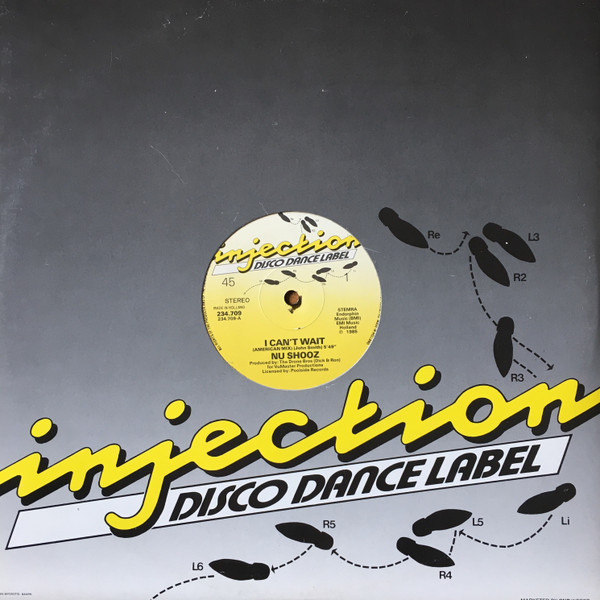
 NU SHOOZ - I CAN’T WAIT

Llançament: Febrer de 1986

Posicions a les llistes: Estats Units: #3   Regne Unit: #2


“I Can’t Wait” és una cançó del grup nord-americà Nu Shooz, que va aparèixer per primera vegada al seu EP de 1985, “Tha’s Right”. Va guanyar popularitat després de ser remixada pel DJ neerlandès Peter Slaghuis, amb aquesta versió inclosa al seu àlbum de 1986, “Poolside”. La remescla es va convertir en un gran èxit, arribant al número 1 de la llista Billboard Hot Dance Club Play, al número 3 del Billboard Hot 100 dels Estats Units, i al número 2 al Regne Unit i a Alemanya Occidental. A Canadà, va assolir el número 1.


Escrita pel fundador de Nu Shooz, John Smith, la cançó és una oda optimista a l’amor i a l’enyorança de voler estar amb la seva parella, inspirada en la seva relació amb la vocalista del grup, Valerie Day, que més tard es convertiria en la seva esposa. La versió més reconeguda de la cançó inclou un enganxós hook vocal tallat (“b-b-baby, I-I-I can’t wait”), creat pel productor neerlandès Peter Slaghuis. Utilitzant un sampler, Slaghuis va manipular la veu de Valerie Day, creant un element distintiu que va ajudar a convertir la cançó en un èxit. Aquesta tècnica de fragmentació i modificació de la veu va influir en temes de la dècada de 2010, com “Turn Down for What” de DJ Snake i “Run the World (Girls)” de Beyoncé.


El videoclip, dirigit per Jim Blashfield, presenta Valerie Day en un escenari surrealista i ple de fantasia, un estil característic del director. La trama mostra Day cantant en un escriptori mentre repara una cafetera, amb objectes i eines estranyes que passen per l’escena. Afegint encara més excentricitat, el seu gos apareix assegut amb ulleres de sol. Blashfield, conegut per les seves tècniques innovadores d’animació, també va dirigir videoclips icònics com “Leave Me Alone” de Michael Jackson, “Sowing the Seeds of Love” de Tears For Fears, i “And She Was” de Talking Heads.


NU SHOOZ - I CAN’T WAIT


Released: February 1986

Charts:  US: #3    UK: #2 


“I Can’t Wait” is a song by American group Nu Shooz, first appearing on their 1985 EP “Tha’s Right”. It gained prominence after being remixed by Dutch DJ Peter Slaghuis, with the remix featured on their 1986 album “Poolside”. The remixed version became a major hit, reaching No. 1 on the Billboard Hot Dance Club Play chart and No. 3 on the Billboard Hot 100 in the US. Internationally, it peaked at No. 2 in the UK and West Germany and reached No. 1 in Canada.


“I Can’t Wait,” written by Nu Shooz founder John Smith, is an uplifting love song about longing to be with a partner, inspired by Smith’s relationship with the group’s lead vocalist, Valerie Day, who later became his wife. The song’s most recognizable version features a stuttering vocal hook (“b-b-baby, I-I-I can’t wait”), created by Dutch producer Peter Slaghuis. He used a sampler to manipulate Day’s vocals, creating a hook that helped turn the song into a hit. This vocal-pitching and chopping technique later influenced tracks in the 2010s, like DJ Snake’s “Turn Down for What” and Beyoncé’s “Run the World (Girls).”


The music video directed by Jim Blashfield, features Valerie Day in a whimsical, surreal setting—Blashfield’s signature style. The plot revolves around Day singing at a desk while repairing a coffeepot, with various quirky objects and tools passing in and out of the frame. Adding to the eccentric vibe, her dog sits nearby wearing sunglasses. Blashfield, known for his innovative animation techniques, also directed iconic videos such as Michael Jackson’s “Leave Me Alone,” Tears For Fears’ “Sowing the Seeds of Love,” and Talking Heads’ “And She Was.”


1.2.25


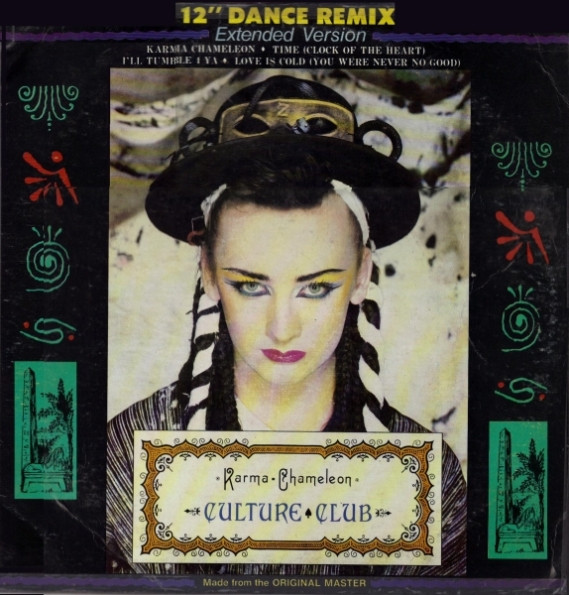
CULTURE CLUB - KARMA CHAMELEON


Llançament: 5 de setembre de 1983

Posicions a les llistes: Estats Units: #1 (3 setmanes)   Regne Unit: #1 (6 setmanes)


“Karma Chameleon”, llançada al setembre de 1983, és una cançó de Culture Club inclosa a l’àlbum “Colour by Numbers”. Va ser un èxit massiu, liderant la llista de singles del Regne Unit durant sis setmanes i convertint-se en el senzill més venut de 1983 al país. La cançó va assolir el número 1 en 20 països, incloent-hi tres setmanes al cim del Billboard Hot 100 dels Estats Units a principis de 1984, consolidant-se com l’èxit global més gran de Culture Club i l’únic número 1 de la banda als Estats Units.


Boy George va descriure “Karma Chameleon” com una reflexió sobre la por a l’alienació i la importància de l’autenticitat, advertint que no ser fidel a un mateix comporta repercussions kàrmiques. La lletra està influenciada per la complicada relació romàntica i professional de George amb el bateria Jon Moss, una relació que en aquell moment es mantenia privada però que sovint inspirava la música de Culture Club. Coescrita per Phil Pickett, un antic teclista de Sailor, la cançó reflecteix l’estil col·laboratiu de composició de la banda, amb George centrant-se principalment en les lletres.


El tema inclou una part destacada d’harmònica tocada per Judd Lander, un músic de sessió de Liverpool que també havia col·laborat a “Church of the Poison Mind” de Culture Club. Tot i això, el vídeo musical mostra un actor negre simulant tocar l’harmònica en un vaixell fluvial, mentre que Lander és blanc. Aquesta decisió reflecteix una tendència habitual dels vídeos musicals de l’època, també present en altres temes en què Lander havia participat. Curiosament, el vídeo de “Karma Chameleon” inclou la banda però cap instrument, a excepció de l’harmònica.


El vídeo musical, dirigit per Peter Sinclair, es va gravar el 1983 a Desborough Island, a Weybridge. Ambientat al Mississippi de 1870, mostra una festa vibrant i multiracial amb personatges vestits amb roba de l’època, incloent-hi peces de color vermell, daurat i verd, com es menciona a la lletra. Boy George hi apareix amb el seu estil característic: roba acolorida, trenes llargues, guants sense dits i un barret bombí. La narrativa del vídeo segueix un carterista i lladre de joies que roba entre la multitud. A bord d’un vaixell anomenat The Chameleon, el lladre és enxampat fent trampes al pòquer amb una mà guanyadora. Obliguen el lladre a tornar els objectes robats i, finalment, l’obliguen a caminar per la taula fins a caure al riu, empès pels para-sols de les dames. A mesura que cau la nit, la festa al vaixell continua.


Culture Club va afrontar una demanda per plagi relacionada amb aquesta cançó, presentada pels compositors de “Handy Man”, un èxit de 1960 de Jimmy Jones. Boy George va reconèixer la possibilitat d’haver escoltat la cançó abans, però va negar haver-la copiat intencionadament, fent broma: “Els vam donar deu penics i una poma” per resoldre l’assumpte.


CULTURE CLUB - KARMA CHAMELEON


Released: September 5, 1983

Charts:  US: #1 (3 weeks)  UK: #1 (6 weeks)


“Karma Chameleon,” released in September 1983, is a song by Culture Club from their album “Colour by Numbers”. It became a massive hit, topping the UK singles chart for six weeks and becoming the best-selling single of 1983 in the UK. The song reached number one in 20 countries, including a three-week reign atop the US Billboard Hot 100 in early 1984, marking Culture Club’s biggest global hit and only US number-one single.


Boy George described “Karma Chameleon” as addressing the fear of alienation and the importance of authenticity, warning that failing to be true to oneself leads to karmic repercussions. The song’s lyrics were influenced by George’s complicated romantic and professional relationship with drummer Jon Moss, inspiring lines like “You’re my lover, not my rival.” Their relationship, kept private at the time, often shaped Culture Club’s music. Co-written by Phil Pickett, a former Sailor keyboardist, the song reflects the collaborative songwriting style of the band, with George primarily handling the lyrics.


Judd Lander played the harmonica on “Karma Chameleon,” a prominent element in the track’s arrangement. Lander, a Liverpool native and accomplished session musician, also contributed to Culture Club’s “Church of the Poison Mind.” The music video, however, features a black actor miming the harmonica performance on a riverboat, though Lander is white. This decision reflects a recurring trend in music videos of the era, as seen in Lander’s harmonica work being mimed by a black actor in Robbie Nevil’s “Wot’s It to Ya?” The “Karma Chameleon” video is unique in featuring the band but no instruments except for the harmonica.


The music video directed by Peter Sinclair, was filmed at Desborough Island in Weybridge in 1983. Set in 1870 Mississippi, it features a lively, multiracial crowd dressed in 19th-century attire, including red, gold, and green outfits referenced in the lyrics. Boy George sports his signature look with colorful clothing, long braids, fingerless gloves, and a bowler hat. The narrative follows a pickpocket and jewelry thief stealing from the crowd. Onboard a riverboat called The Chameleon, the thief is caught cheating at poker with a royal flush. He is forced to return his stolen goods and walk the plank at the prodding of ladies’ parasols, plunging into the river. As evening falls, the party aboard the boat continues.


Culture Club faced a plagiarism lawsuit over this song from the writers of “Handy Man,” a 1960 hit by Jimmy Jones. Boy George acknowledged the possibility of having heard the song before but denied intentionally copying it, joking, “We gave them ten pence and an apple” to resolve the issue.