Total de visualitzacions de pàgina:

16.7.24


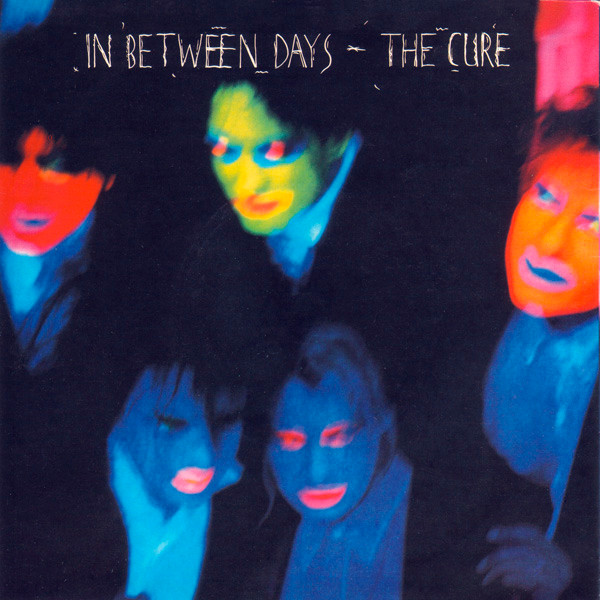
THE CURE - IN BETWEEN DAYS


Estrena: 19 de juliol de 1985

Llistes: Regne Unit: #15   EUA: #99


"In Between Days," llançada el juliol de 1985, és una cançó de l'àlbum "The Head on the Door". Va assolir èxit internacional, convertint-se en el primer single del grup que va entrar a la llista Billboard Hot 100, arribant al número 99. Al Regne Unit, va ser el seu novè senzill en llista i el quart Top 20 consecutiu.


"In Between Days" és una barreja d'excentricitat i sensibilitat pop, caracteritzada per una música vibrant i colorista que contrasta amb la seva lletra introspectiva. La lletra de Robert Smith, instigant algú a "simplement marxar" però "tornar amb mi", evoca una barreja complexa d'emo­cions: amor, odi, melangia i sensibilitat pop, tot en un. És una cançó que travessa l'espectre de les emocions humanes, encarnant l'essència d'alguna cosa intermèdia, no totalment feliç ni completament trista, sinó que existeix en un espai on les emocions conflictives coexisteixen harmoniosament. Aquesta cançó va marcar un moment definidor per a The Cure, mostrant el seu estil caracterīstic.


En una entrevista amb Rolling Stone el 2004, Smith va revelar que l'adquisició d'una guitarra acústica de metall de sis cordes de qualitat va impulsar la creació de "In Between Days". Va admitir que abans de tenir aquesta guitarra, no havia explorat tocar-ne una intensament per manca d'un instrument adequat. Un cop va començar a experimentar amb ella, els acords i les melodies de "In Between Days" van fluir sense esforç.


El vídeo dirigit per Tim Pope i filmat als estudis de Fulham a Londres el 18 de juny de 1985, captura The Cure d'una manera peculiar. Tim Pope, conegut pel seu enfocament creatiu i poc convencional, va utilitzar plans de 360 graus i va posar èmfasi en mitges de colors al vídeo. Robert Smith i Porl Thompson van tenir càmeres fixades en ells, permetent-los apartar-les i agafar-les a voluntat, millorant la dinàmica i la sensació espontània de les imatges.


Tim Pope va descriure Robert Smith com un autèntic excèntric anglès, descrivint-lo com algú que podia tornar-se una mica boig, cosa que va influir en la direcció del vídeo. Smith mateix va expressar satisfacció amb la feina feta, manifestant que el vídeo capturava autènticament l'essència de la cançó. Va destacar el desig de retractar el grup tal com eren realment, sense glamurització ni pretensió, contrastant amb el tòpic habitual dels vídeos musicals on els artistes passegen i posen.


THE CURE - IN BETWEEN DAYS


Released: July 19, 1985

Charted:  UK: #15    US: #99 


"In Between Days," released on July 1985, is a song from the album "The Head on the Door." It achieved international success, becoming the band's first single to enter the Billboard Hot 100, where it peaked at number 99. In the UK, it marked their ninth chart single and fourth consecutive Top 20 hit. 


"In Between Days" is a distinctive blend of eccentricity and pop sensibility, characterized by buoyant and colorful music that contrasts with its introspective lyrics. Robert Smith's lyrics, urging someone to "just walk away" yet "come back to me," evoke a complex blend of emotions—love, hate, melancholy, and pop sensibility all rolled into one. It's a song that traverses the spectrum of human emotions, embodying the essence of something in between—neither fully happy nor completely sad, but existing in a nuanced space where conflicting feelings coexist harmoniously. This track marked a defining moment for The Cure, showcasing their signature style. 


In an interview with Rolling Stone in 2004, Smith revealed that the acquisition of a high-quality metal six-string acoustic guitar sparked the creation of "In Between Days." He admitted that prior to owning this guitar, he hadn't explored playing one extensively due to the lack of a suitable instrument. Once he began experimenting with it, the chords and melodies for "In Between Days" effortlessly flowed out.


The music video directed by Tim Pope and filmed at Fulham Studios in London on June 18, 1985, captures The Cure in a distinct and quirky manner. Tim Pope, known for his creative and unconventional approach, utilized 360-degree shots and emphasized colorful socks in the video. Robert Smith and Porl Thompson had cameras fixed on them, allowing them to push away and hold the cameras at will, enhancing the dynamic and spontaneous feel of the visuals. 


Tim Pope characterized Robert Smith as a true English eccentric, describing him as someone who could go a bit mad, which influenced the video's direction. Smith himself expressed satisfaction with the video, believing it authentically captured the essence of the song. He emphasized a desire to portray the band as they truly were, without glamorization or pretense, contrasting with the typical music video trope of artists strutting and posing.



THE CURE - FASCINATION STREET


Estrenada: 18 d'abril de 1989

Llistes: EUA: #46


"Fascination Street", inclosa a l'àlbum de 1989 "Disintegration", es va llançar com a single exclusivament a Amèrica del Nord. Inicialment, la banda tenia la intenció de llançar "Lullaby" com a primer senzill, però el seu segell discogràfic nord-americà va optar per "Fascination Street". Aquesta decisió va ser encertada, ja que la cançó es va convertir en el primer número u dels Cure a la nova llista de Modern Rock Tracks dels Estats Units, mantenint-se al capdavant durant set setmanes consecutives.


En una entrevista Robert Smith va compartir les seves reflexions sobre la inspiració darrere de la cançó. Va revelar que "Fascination Street" va néixer dels seus pensaments sobre Bourbon Street a Nova Orleans. Es preparava per visitar aquest lloc i es qüestionava què esperava trobar-hi. La cançó reflecteix la seva incredulitat per continuar buscant un moment perfecte malgrat les seves experiències. Bourbon Street, coneguda històricament pels seus restaurants populars i pel seu paper en l'escena del jazz d’inicis del segle XX, ha evolucionat cap a un districte conegut pel seu vibrant ambient nocturn, amb bars i locals d’striptease.


"Fascination Street" destaca per la seva estructura poc convencional dins de la discografia del grup. Inclou llargues seccions instrumentals interrompudes per un únic vers i dos estrofes. L'introducció instrumental és notablement llarga, amb la versió estàndard tenint una intro de 1 minut i 20 segons, mentre que una versió remixada l'allarga fins a 4 minuts. Produït per Robert Smith, Chris Parry i Mark Saunders, aquest remix es va llançar com a pista principal en maxi-single de vinil i maxi-CD. Una edició més curta per a ràdio del remix es va utilitzar per als llançaments de single en vinil i cassette. El remix es va incloure més tard a l'àlbum de remixos de The Cure de 1990, "Mixed Up". Per la seva part, el remix curt s'ha inclòs en la recopilació "Galore (The Singles 1987-1997)" de 1997.


Lol Tolhurst, membre fundador de The Cure, va ser acreditat a "Fascination Street" (i a tot l'àlbum) per tocar "altres instruments". No obstant això, durant la sessió d'enregistrament, Tolhurst lluitava amb problemes greus d'alcohol i, malgrat el crèdit, no va contribuir realment a l'àlbum. Aquesta discrepància va portar tensions dins del grup, amb els companys de banda de Tolhurst finalment donant a Robert Smith un ultimàtum: o bé acomiadaven Tolhurst o bé tot el grup marxava. Conseqüentment, Tolhurst va ser acomiadat de The Cure el 1989. Més tard, es va reconciliar amb el grup i es va reincorporar el 2011.


El videoclip dirigit per Tim Pope i emès a MTV va tenir un paper important en la promoció del senzill. Robert Smith va expressar la seva insatisfacció amb el vídeo, considerant que no va arribar a transmetre tot el seu potencial. Inicialment concebut com un vídeo amb temàtica de Doctor Who amb una cabina telefònica, un rellotge i habitacions dins d’habitacions, Smith va percebre que l'execució va ser insuficient a causa de les limitacions de pressupost. El vídeo, finançat principalment per Elektra Records per al mercat nord-americà, no va transmetre completament el concepte fantasiós que Smith havia imaginat, cosa que el va portar a qualificar-lo com a "horrible".


A finals dels anys 80, al cap de gairebé una dècada de carrera, The Cure es van veure impulsats a l'estrellatge, tocant en grans concerts d’estadis i aconseguint una difusió més àmplia a la ràdio. Robert Smith va reflexionar sobre aquest període en una entrevista del 2004 amb Rolling Stone, admetent que, malgrat les seves intencions, la banda s'havia convertit en tot el que no volia que fossin: una banda de rock d'estadi. Va descriure com aquest nou èxit va tensar les relacions tant dins com fora del grup. L'àlbum que va definir aquesta època es va dir "Disintegration" amb un toc d'ironia, i Smith va sentir que gairebé provocava el destí, que creia que eventualment es va tornar en contra seva.


THE CURE - FASCINATION STREET


Released: April 18, 1989

Charted:  US: #46 


"Fascination Street" featured on the 1989 album "Disintegration," was released as a single exclusively in North America. Initially, the band intended to release "Lullaby" as the lead single, but their American record label opted for "Fascination Street" instead. This decision paid off, as the song became the Cure's first number-one single on the newly established Modern Rock Tracks chart in the US, holding the top spot for seven consecutive weeks.


In an interview with Select magazine, Robert Smith shared insights into the inspiration behind the song. He revealed that "Fascination Street" was born from his thoughts about Bourbon Street in New Orleans. He was preparing to visit there and questioned himself about what he expected to discover. The song reflects his incredulity at still being drawn into seeking a perfect moment despite his experiences. Bourbon Street, historically renowned for its popular restaurants and role in the jazz scene of the early 20th century, has evolved into a district known for its vibrant nightlife, including bars and strip clubs.


"Fascination Street" stands out for its unusual structure within their discography. It features long instrumental sections interrupted by a single verse and two choruses. The song's instrumental introduction is notably lengthy, with the standard version having a 1:20 intro, while an extended mix extends this to 4 minutes. Produced by Robert Smith, Chris Parry, and Mark Saunders, this extended mix was released as the lead track on the 12-inch vinyl and maxi-CD singles. A shorter radio edit of the remix was used for the 7-inch vinyl and cassette single releases. The extended mix later found its way onto The Cure's 1990 remix album "Mixed Up”. Conversely, the shorter remix has been included in global releases such as 1997's "Galore (The Singles 1987-1997)." 


Lol Tolhurst, a founding member of The Cure, was credited on "Fascination Street" (and the entire album) for playing "other instruments." However, during the recording session, Tolhurst was struggling with severe alcohol problems, and despite the credit, he did not actually contribute to the album at all. This discrepancy led to tensions within the band, with Tolhurst's bandmates eventually giving Robert Smith an ultimatum: either fire Tolhurst or face the rest of the band quitting. Consequently, Tolhurst was dismissed from The Cure in 1989. He later reconciled with the band and rejoined in 2011.

The music video directed by Tim Pope and aired on MTV, played a significant role in boosting interest in the single. Robert Smith expressed dissatisfaction with the video, believing it fell short of its potential. Originally envisioned as a Doctor Who-themed video featuring a phone box, a clock, and rooms within rooms, Smith felt the execution was lacking due to budget constraints. The video, primarily funded by Elektra Records for the American market, didn't fully realize the fantasy concept Smith had envisioned, leading to his critique that it turned out "awful."


In the late 1980s, around a decade into their career, The Cure found themselves propelled into stardom, playing massive arena concerts and achieving widespread radio play. Robert Smith reflected on this period in a 2004 interview with Rolling Stone, admitting that despite his intentions, the band had become everything he had not wanted them to be—a stadium rock band. He described how this newfound success strained relationships both within and outside the band. The album that epitomized this era, "Disintegration," was named with a touch of irony, and Smith felt it was almost tempting fate, which he believed eventually struck back.


15.7.24


KRAFTWERK - TOUR DE FRANCE


Estrena: 3 d'agost de 1983

Llistes: Regne Unit: #22


"Tour de France" va ser inspirada per la famosa cursa ciclista francesa del mateix nom. Els membres de Kraftwerk, Florian Schneider i Ralf Hutter, eren fervents ciclistes i tenien una gran passió per les bicicletes, fins al punt que es referien a ells mateixos com el Radsportegruppe Schneider (Club Ciclista Schneider). Aquesta obsessió pel ciclisme va ser destacada per l'exmembre de Kraftwerk Karl Bartos com una de les raons que van influir en la seva decisió de deixar la banda.


"Tour de France" originalment es va gravar per a l'àlbum "Techno Pop", que posteriorment va ser reanomenat i llançat com "Electric Café" el 1983. Finalment, la cançó no va entrar a la llista definitiva de l'àlbum i es va llançar com a single independent. La cançó és notable per l'ús innovador de veus samplejades i sons mecànics associats amb el ciclisme, que complementen un patró d'electro-percussió. Aquest detall fa referència a les pistes anteriors de Kraftwerk com "Metal on Metal" de "Trans-Europe Express", així com "Numbers" i "Pocket Calculator" de "Computer World".


A Alemanya, "Tour de France" es va llançar amb versions en alemany i francès, cadascuna a una cara del disc de vinil. En altres països, la cançó es va publicar exclusivament en francès. Al Regne Unit, la cara B del single era una edició instrumental de la pista de la cara A. A més, es va incloure una pista instrumental anomenada "Tour de France, Étape 2", amb percussió i samplers, en les edicions maxi-single  i cassette al país britànic.


El 22 de juny de 1984, la cançó es va rellançar en dues noves versions: un arranjament substancialment diferent remesclat per François Kevorkian a Nova York, i una versió alternativa remesclada per Kraftwerk de l'arranjament original, amb seccions llargues de percussió a la segona meitat. Les edicions posteriors al Regne Unit d'aquesta versió van incloure un missatge indicant que apareix a la pel·lícula “Breakdance" a la part frontal de les fundes. El remix de Kevorkian va arribar al número 24 a les llistes de singles del Regne Unit i al número 4 a les llistes de música de ball/club als Estats Units.


Algunes curiositats com ara que la funda del single va incloure una il·lustració adaptada d'un segell postal hongarès de 1953. La melodia de la cançó sembla haver estat presa d'una secció de l'obertura de la "Sonata per a Flauta i Piano" del compositor alemany Paul Hindemith, escrita el 1936. A Gran Bretanya, la cançó va guanyar reconeixement addicional quan es va utilitzar com a música temàtica per a la cobertura del Canal 4 del Tour de France.


Per al llançament de 1983, es va crear un vídeo amb imatges de ciclisme. El 1984, amb la versió remixada per François Kevorkian, es va produir un vídeo que incloïa imatges dels membres de la banda pedalant a Düsseldorf. En el llançament de 1999 es va reutilitzar el mateix vídeo que la versió de 1983.


KRAFTWERK - TOUR DE FRANCE


Released: August 3, 1983

Charted:  UK: #22 


"Tour de France" was inspired by the famous French road race for professional cyclists of the same name. Kraftwerk members Florian Schneider and Ralf Hutter were avid cyclists and had a strong passion for bicycles, even referring to themselves as the Radsportegruppe Schneider (Schneider Cycling Club). This obsession with cycling was noted by ex-Kraftwerk member Karl Bartos as one of the reasons that influenced his decision to leave the band.


"Tour de France" was initially recorded for Kraftwerk's album "Techno Pop," which later was re-titled and released as "Electric Café" in 1983. Finally the track did not make it onto the final tracklist of the album but was instead released as a single. The song is notable for its innovative use of sampled voices and mechanical sounds associated with cycling, which complement a straightforward electro-percussion pattern. This approach harkens back to Kraftwerk's earlier tracks like "Metal on Metal" from "Trans-Europe Express," as well as "Numbers" and "Pocket Calculator" from "Computer World."


In Germany, "Tour de France" was released with both German- and French-language versions, each on one side of the vinyl disc. In other countries, the song was issued exclusively in French. The seven-inch versions typically featured edited versions of the longer tracks found on twelve-inch singles. In the UK, the seven-inch B-side was an instrumental edit of the A-side track. Additionally, an instrumental track titled "Tour de France, Étape 2", featuring percussion and samples, was included on the UK twelve-inch and cassette releases.


On June 22, 1984, the song was re-released in two new versions: a substantially different arrangement remixed by François Kevorkian in New York, and a Kraftwerk-remixed alternative version of the original arrangement, featuring extended percussive sections in the latter half. Later UK pressings of this version featured the message "As featured in the film Breakdance" on the front of the sleeves. The Kevorkian remix reached number 24 on the UK Singles Chart and number 4 on the US Hot Dance Music/Club Play chart.


The sleeve of the single featured artwork adapted from a 1953 Hungarian postage stamp. The melody of the song appears to have been borrowed from a section of the opening of German composer Paul Hindemith's 1936 "Sonata for Flute and Piano." In Britain, the song gained additional recognition when it was used as the theme music for Channel 4's coverage of the Tour de France.


For the 1983 release a video clip featuring cycling footage was created. In 1984, with the François Kevorkian remix version, a rare video was produced that included footage of the band members cycling in Düsseldorf. The 1999 release of the song reused the same video as the 1983 version.


14.7.24


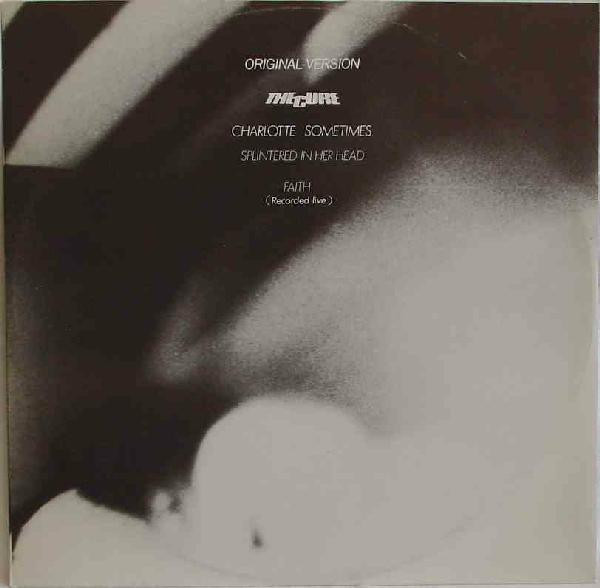
THE CURE - CHARLOTTE SOMETIMES


Released: October 9, 1981

Charted:  UK: #44 


"Charlotte Sometimes" is a single released in October 1981, not included on any of their albums. It was recorded at Playground Studios with producer Mike Hedges. Despite its popularity, the single only reached No. 44 on the UK Singles Chart. Robert Smith drew inspiration from Penelope Farmer's novel "Charlotte Sometimes" for the song. 


The track echoes themes of time shifting and displacement found in Farmer's book, where the protagonist Charlotte experiences being transported back in time. Smith's lyrics directly reference Farmer's language and capture a colorful yet doomed atmosphere, marking a departure from typical Cure themes. This song is noted for its vivid storytelling and foreshadows Smith's evolving songwriting style evident in later records. The B-side of the single, titled "Splintered in Her Head," derived its title from a line in Penelope Farmer's novel. "Splintered in Her Head" exhibited a more unsettling mood characterized by metallic, distorted vocals and intense percussion. This sound hinted at the darker and more abrasive direction that the band would explore further in their subsequent studio album, "Pornography”. 


The music video directed by Mick Mansfield, was filmed at the Holloway Sanatorium in Virginia Water, Surrey, a disused lunatic asylum. The location, known for its therapeutic use of art, intrigued Robert Smith, who discovered drawings by former patients during filming. This experience inspired the band to perform at benefit concerts for MENCAP (The Society for the Mentally Handicapped). Despite the meaningful setting, The Cure felt disconnected from the video's direction and struggled to find synergy with directors until collaborating with Tim Pope, who subsequently directed most of their future videos.